
How Sleep Repairs Your Brain: The Science of Deep Sleep
Deep sleep is the part of the night when you are hardest to wake. On an EEG, which records the brain's electrical activity through the scal…
Newest first.
Deep sleep is the part of the night when you are hardest to wake. On an EEG, which records the brain's electrical activity through the scal…
Body mass index is your weight in kilograms divided by the square of your height in metres. A person who is 1.75 m tall and weighs 77 kg ha…
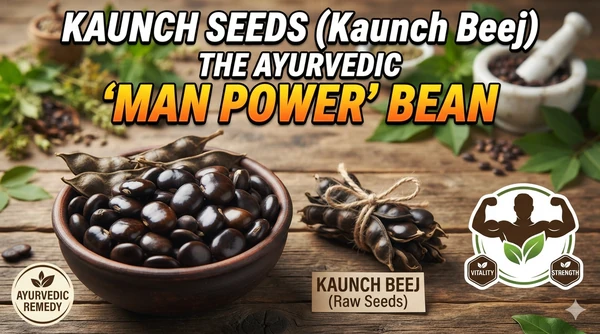
Ask in almost any pansaar shop in Pakistan or northern India for something to improve stamina, and there is a fair chance you will be hande…
The "2,000 calories a day" printed on food labels is not a recommendation for anyone in particular. When the US Food and Drug Administratio…
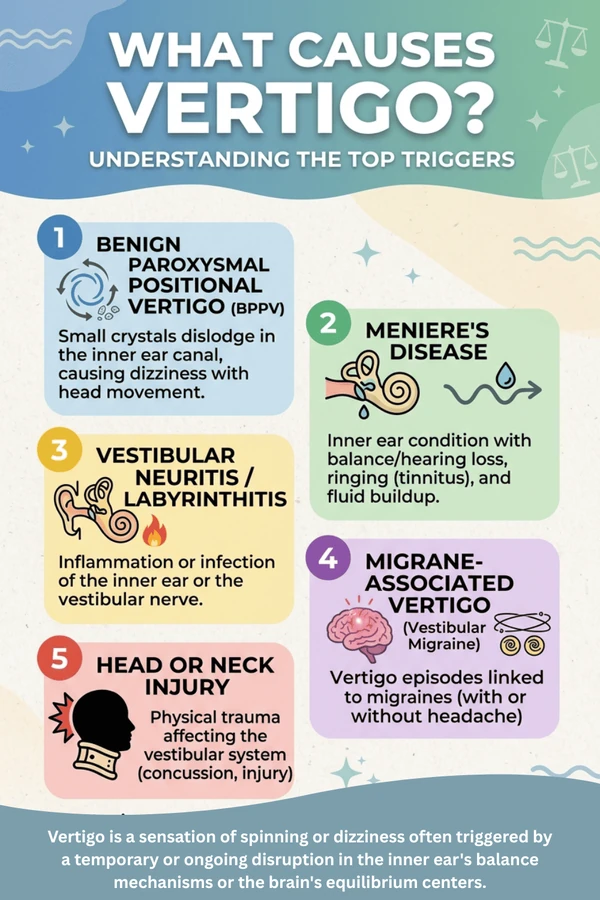
Vertigo is a false sense of movement, usually a feeling that the room is spinning or that you are tilting. It is different from light-heade…
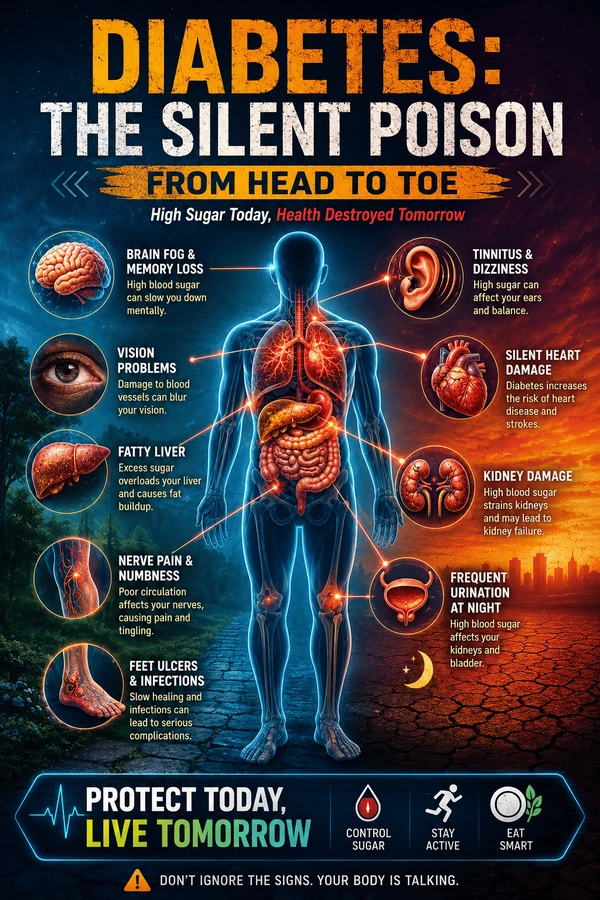
In 2021 the International Diabetes Federation estimated that 537 million adults worldwide had diabetes, and that close to half of them didn…
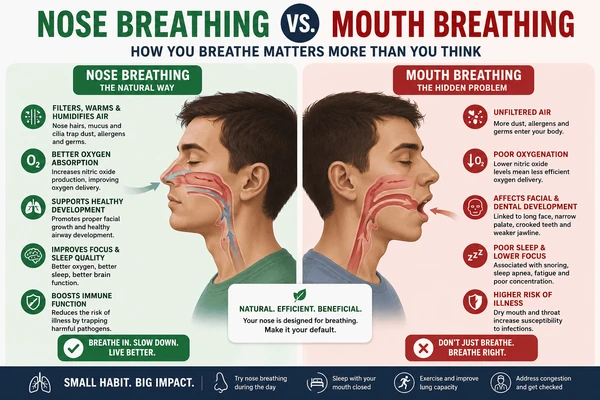
The nose is more than an air hole. In the short distance from the nostrils to the back of the throat, inhaled air is filtered, warmed close…
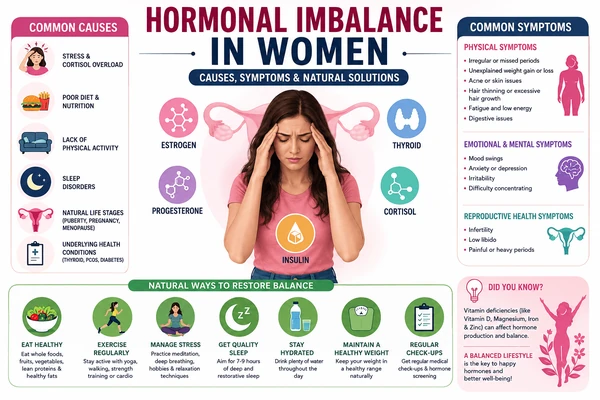
"Hormonal imbalance" is not a medical diagnosis. It is a catch-all phrase covering a handful of specific conditions, each with its own test…
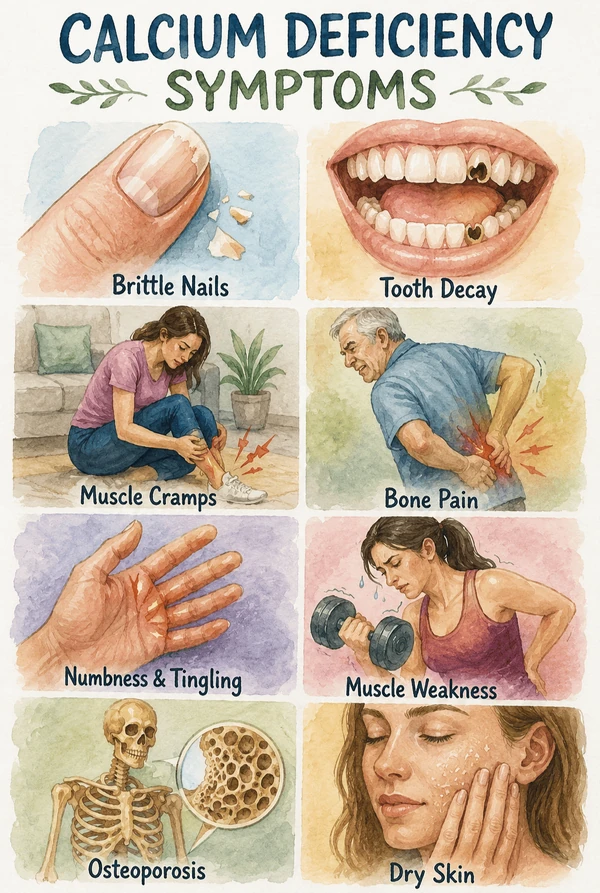
The body keeps blood calcium within a narrow range, about 2.2 to 2.6 mmol/L (8.5 to 10.5 mg/dL). The parathyroid glands, four rice-grain-si…
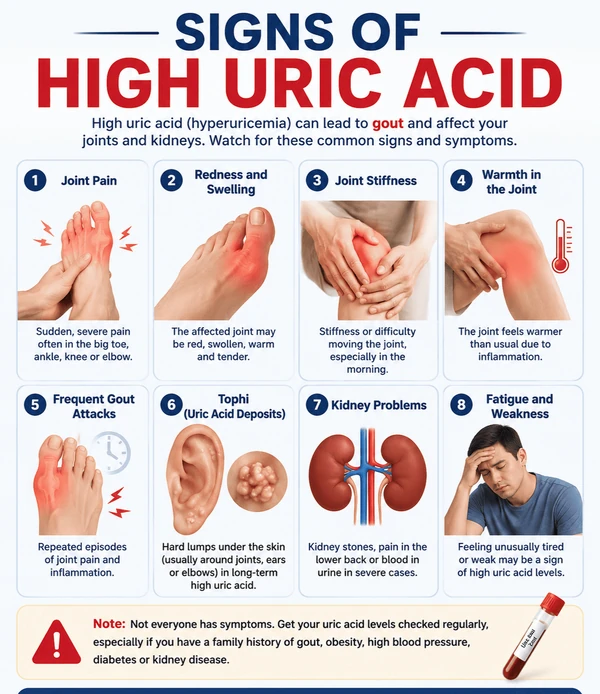
Uric acid stops dissolving in blood at around 6.8 mg/dL. Above that level it can form needle-shaped crystals of monosodium urate, and those…
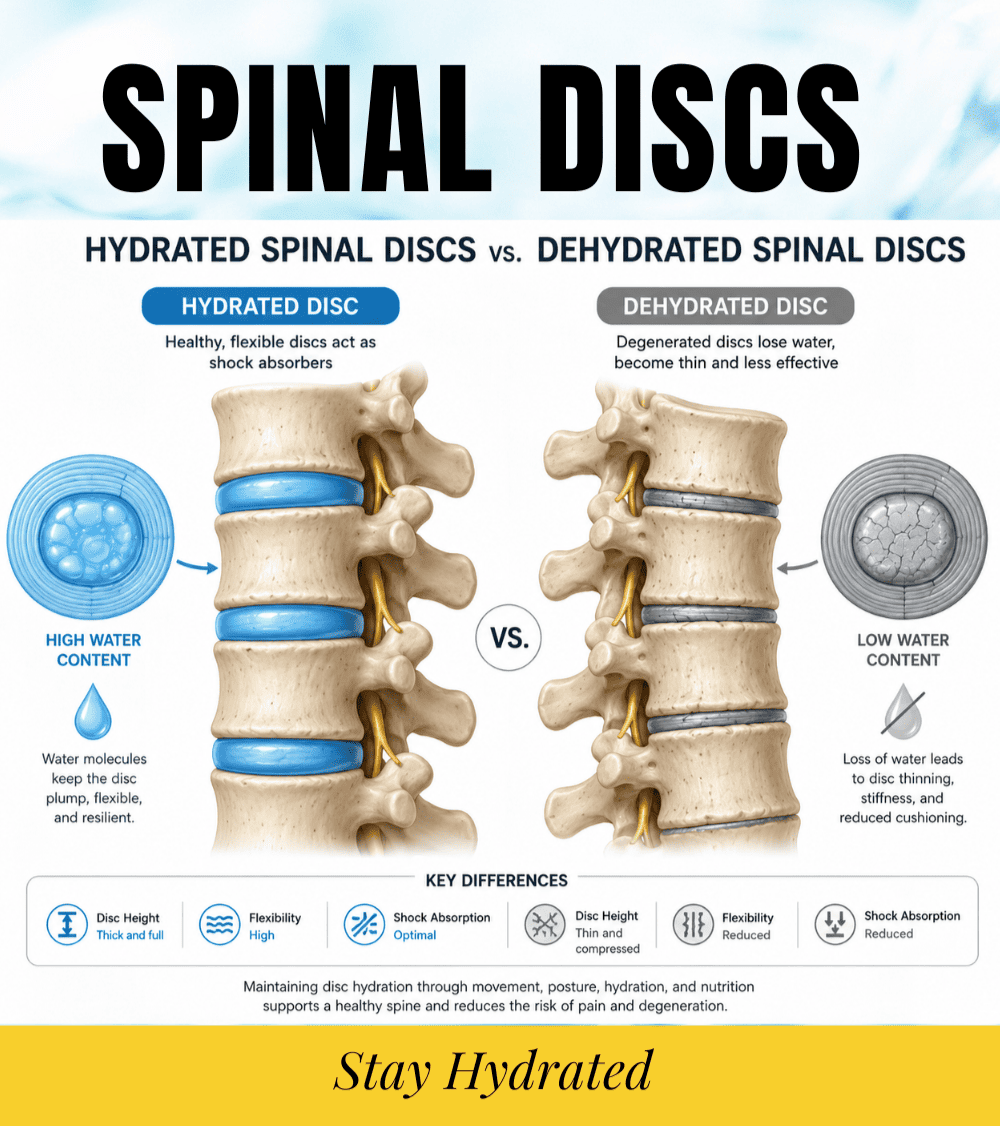
You are about 1 to 2 cm shorter in the evening than when you wake up. During the day, the weight of the body squeezes water out of the disc…
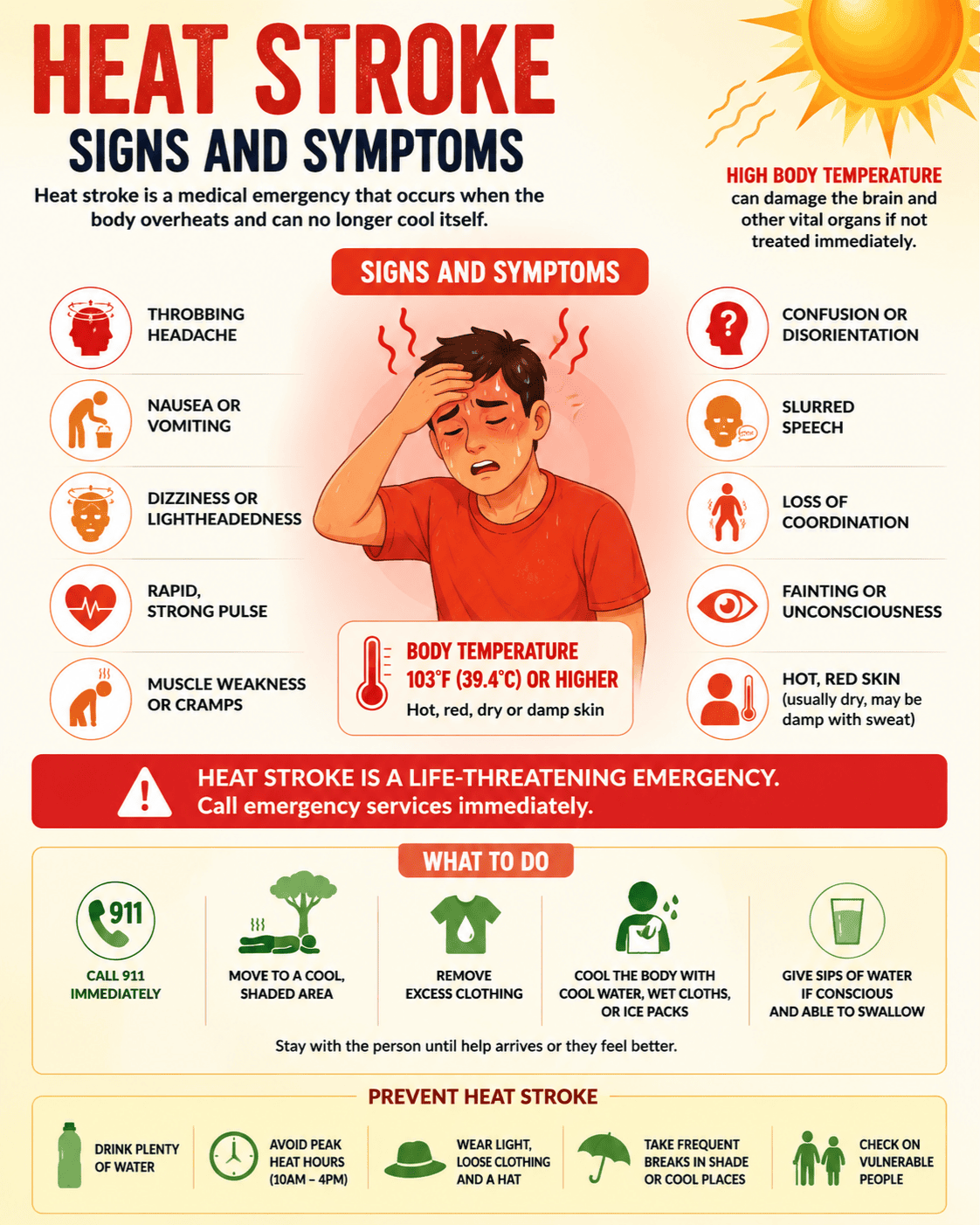
In June 2015, a heatwave in southern Pakistan killed well over a thousand people in Karachi alone within about a week. Most were elderly, p…
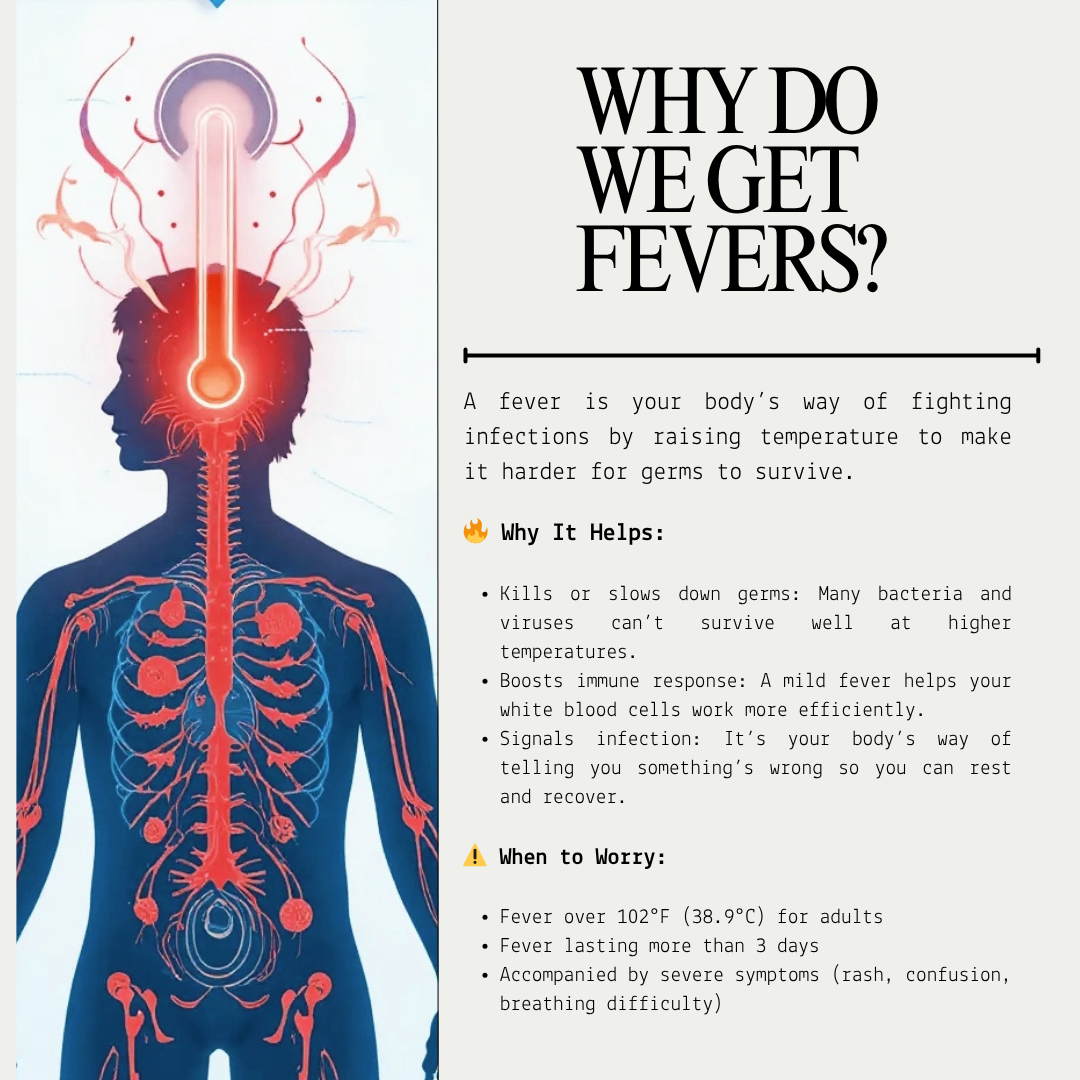
A fever is not the body overheating. It is the body deliberately turning up its thermostat. During an infection, immune cells release signa…
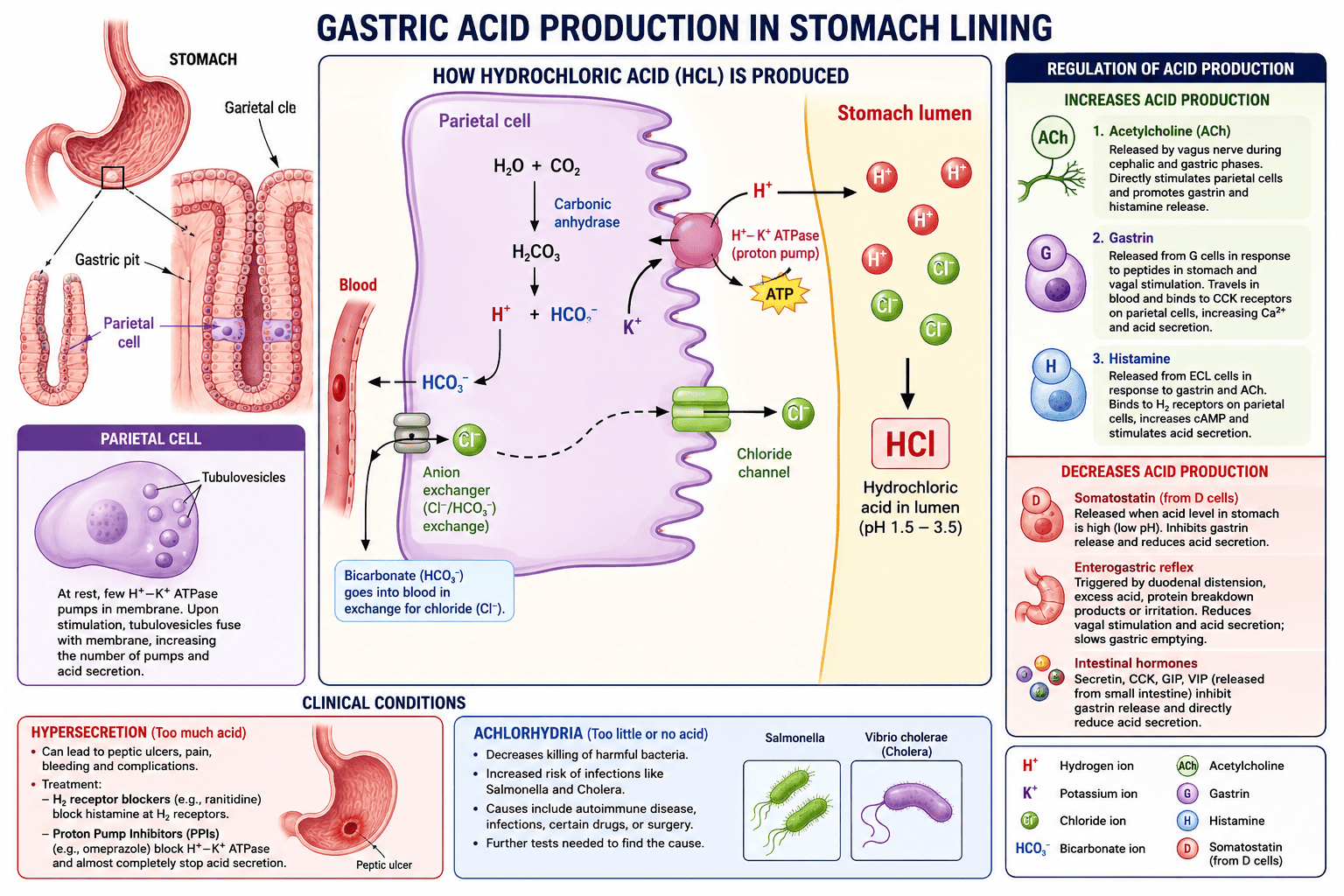
The stomach is a key part of the digestive system. It breaks down food and kills many of the bacteria that come in with food and drink. To …
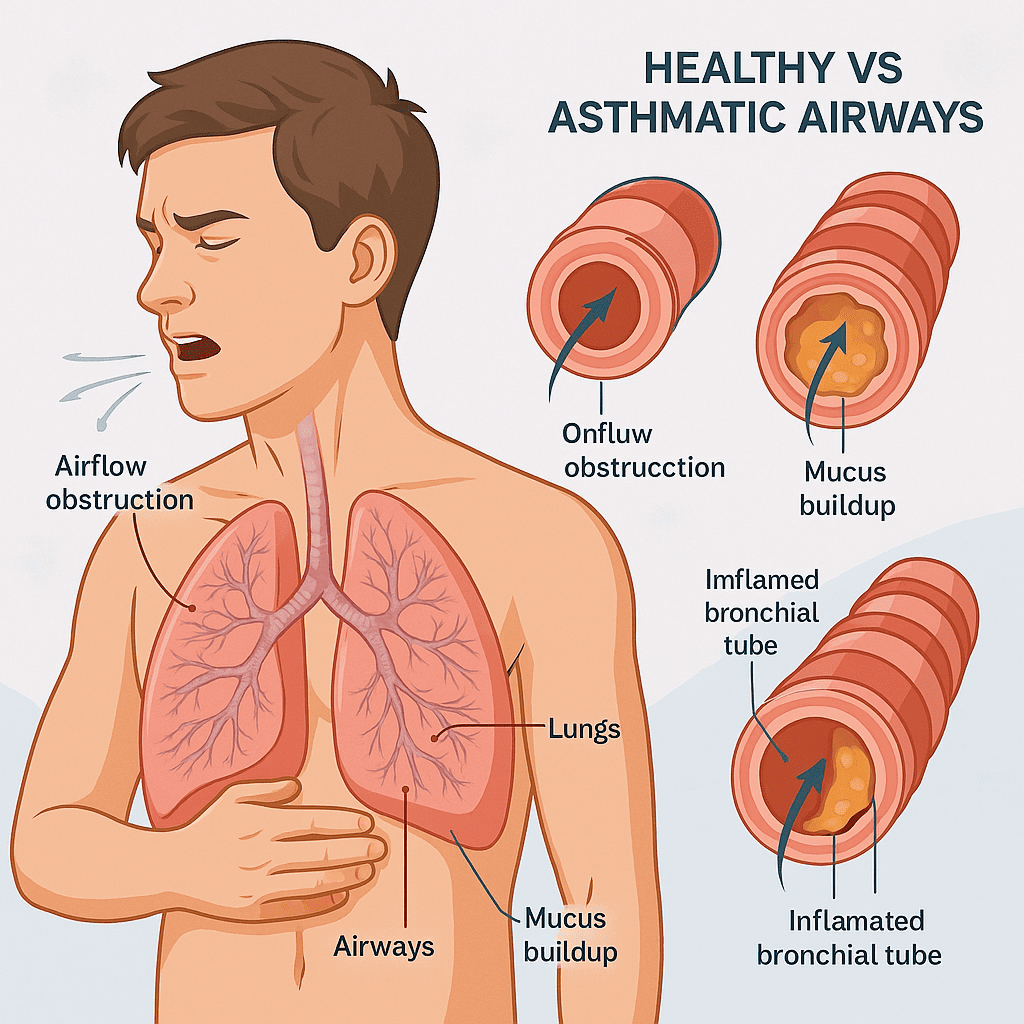
The World Health Organization estimates that asthma affected 262 million people in 2019 and caused about 455,000 deaths. Most of those deat…
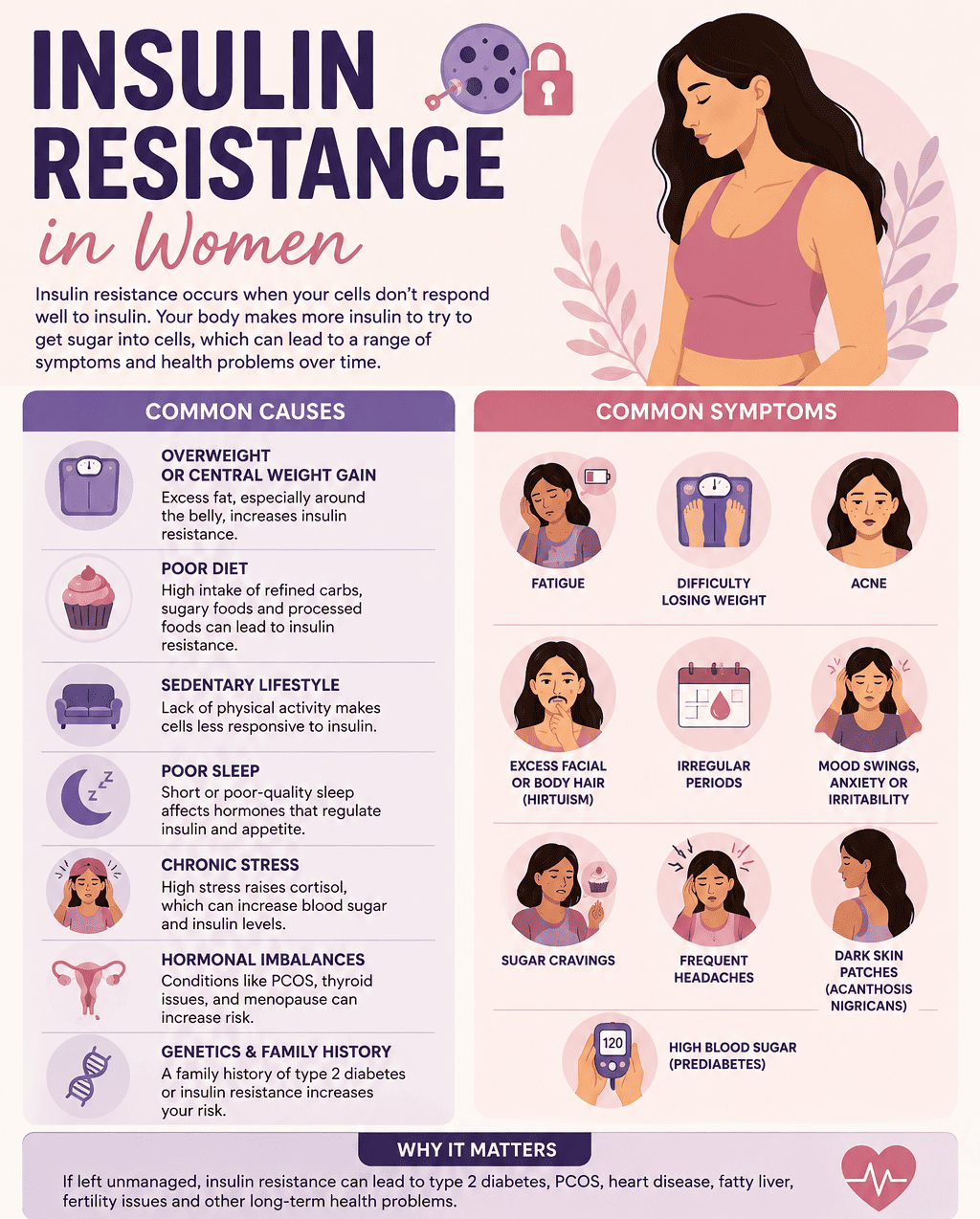
Insulin resistance means the body's cells, mainly in muscle, liver and fat, respond less strongly to insulin. To keep blood sugar normal, t…
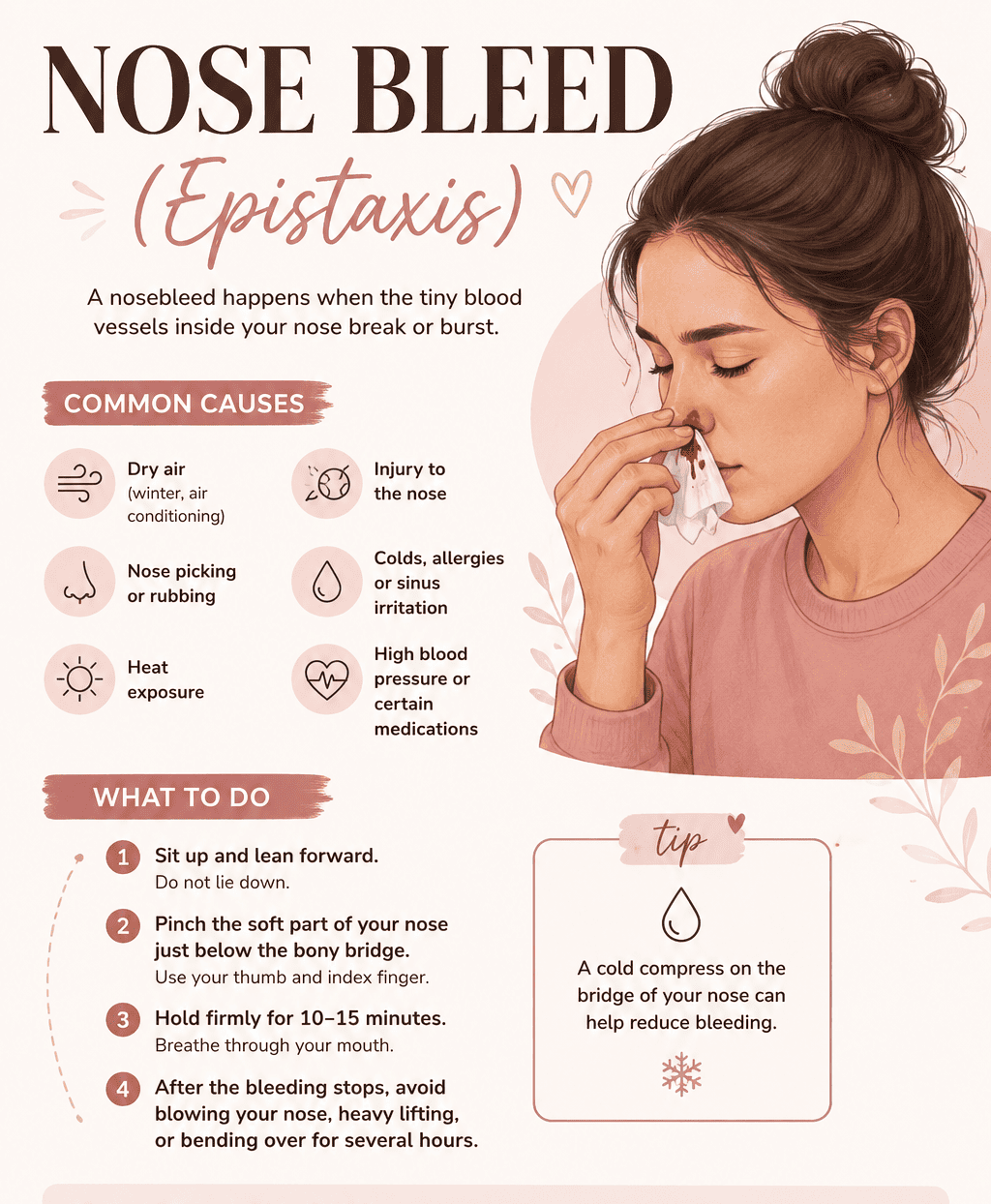
More than half of people have a nosebleed at some point, and only a small share ever need a doctor for one. About nine in ten nosebleeds co…
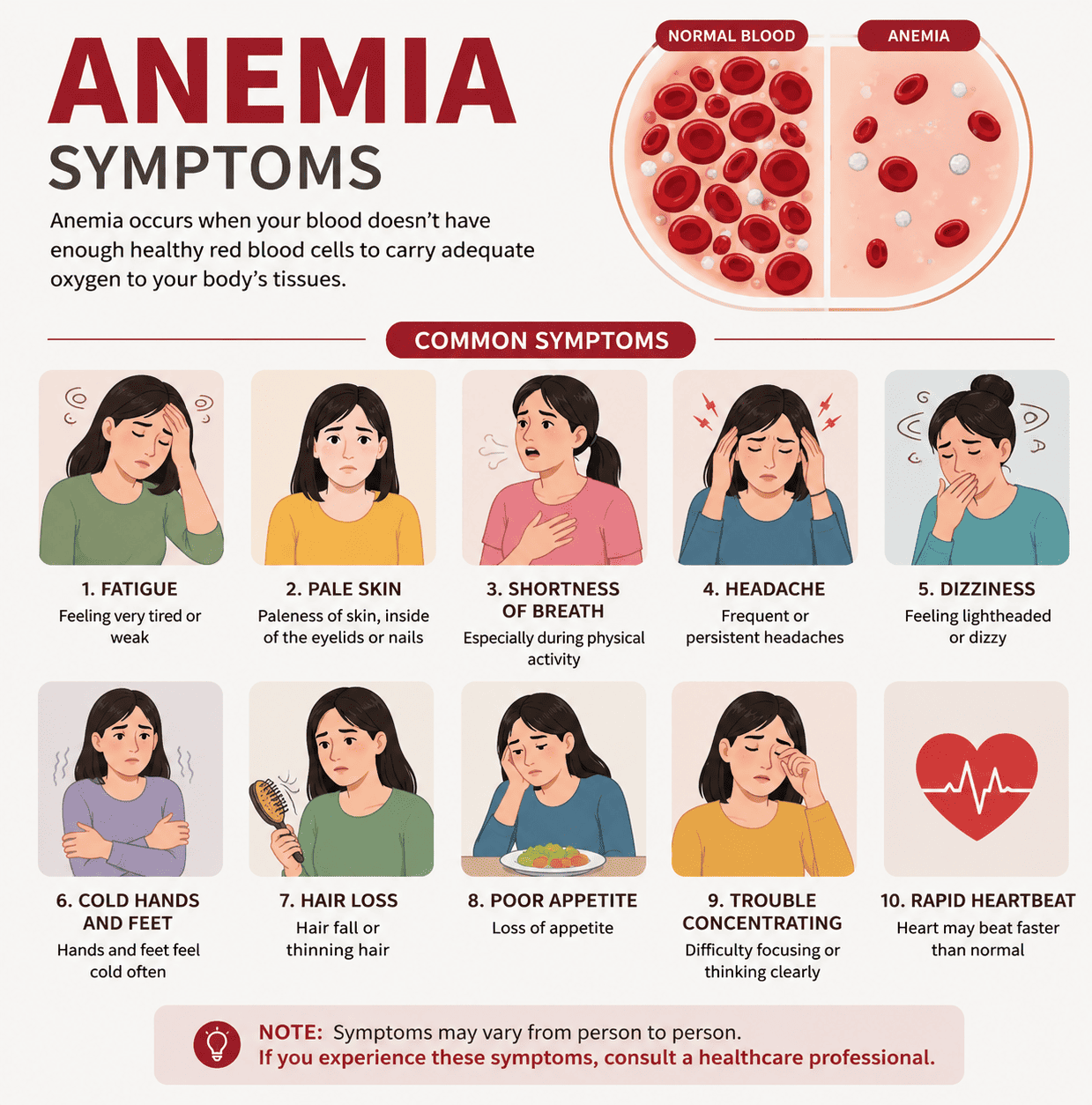
Anaemia means the blood carries less haemoglobin, the protein in red blood cells that delivers oxygen, than it should. The World Health Org…

Tuberculosis is curable, yet it killed about 1.25 million people in 2023, more than any other single infection. According to the World Heal…
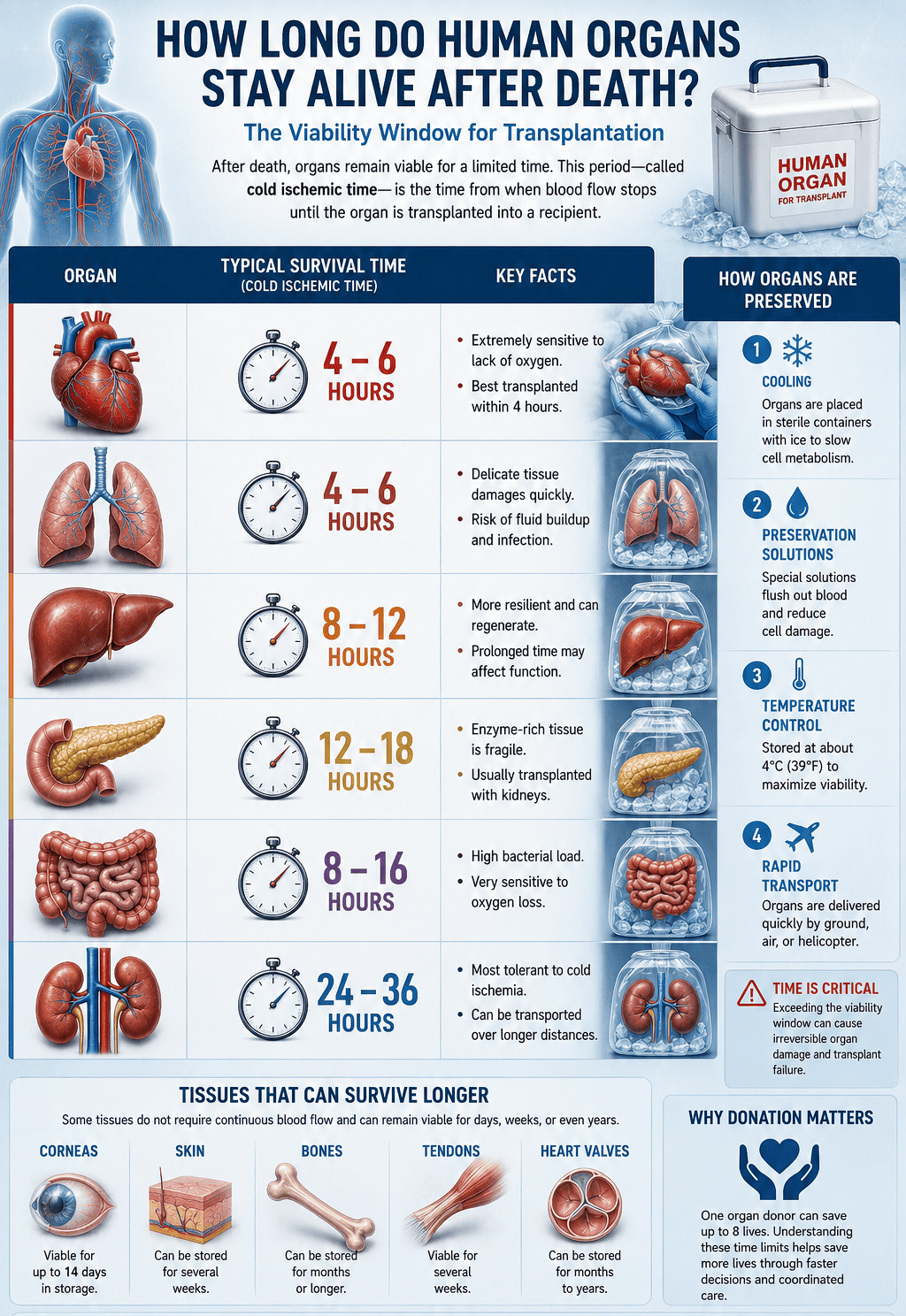
Once blood stops flowing, organs begin to die from lack of oxygen. The window for using them in a transplant is measured in hours, and it d…

The MIND diet was designed specifically to protect the ageing brain. It blends the Mediterranean diet with the DASH diet for blood pressure…
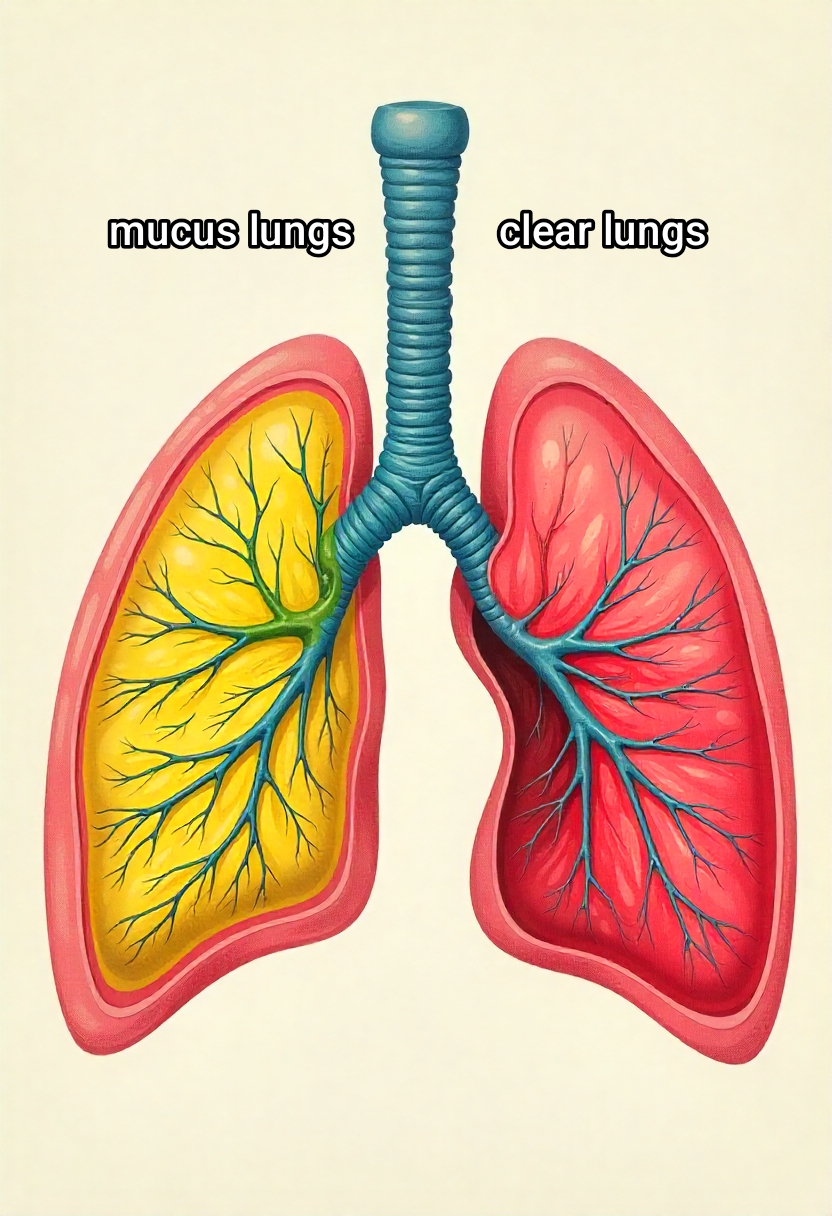
Every breath brings in dust, pollen, soot and microbes. The lungs deal with them using a moving carpet. A thin layer of mucus lines the air…

This article explains known medicine-related risks in early pregnancy. It is not a reason to stop any medicine. For epilepsy, thyroid disea…
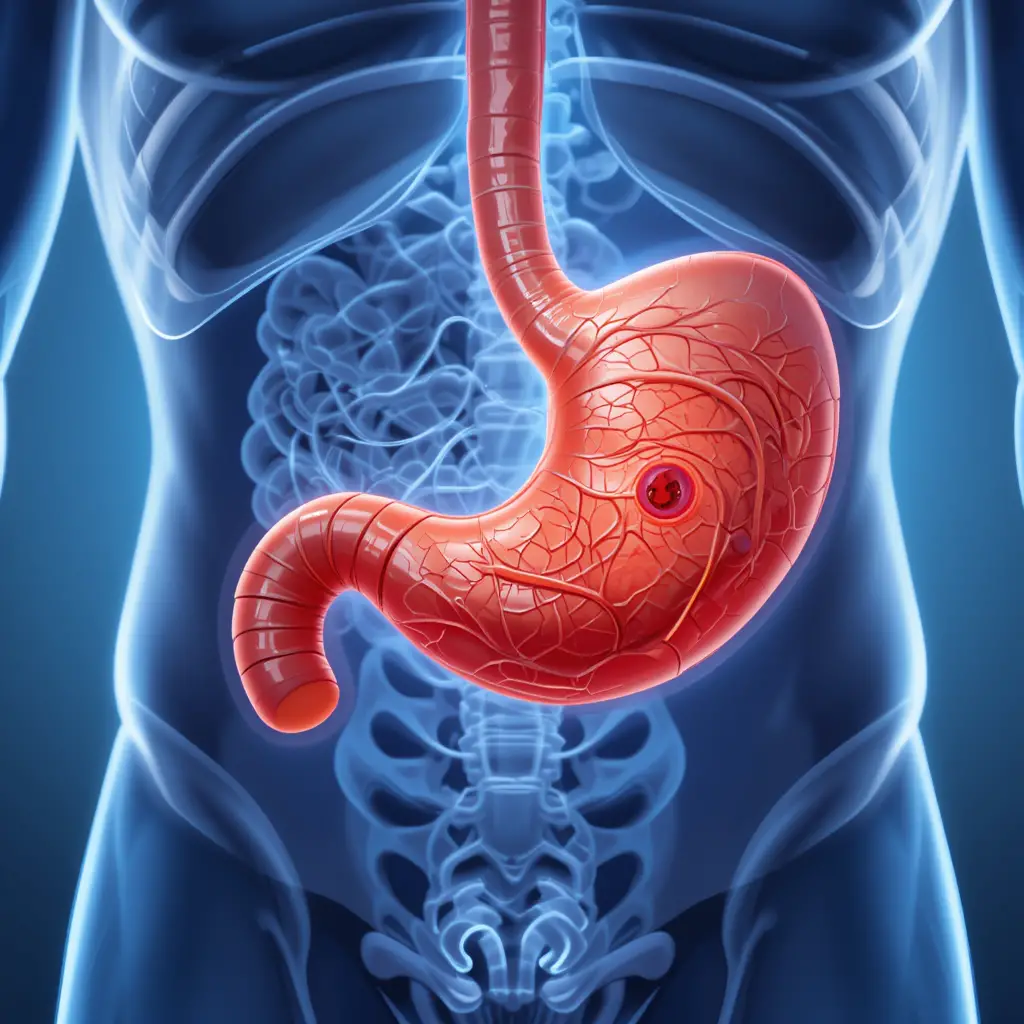
In 1984, the Australian doctor Barry Marshall drank a culture of the bacterium Helicobacter pylori to prove a point his colleagues refused …

For a healthy couple having regular sex, conception usually takes a few months, not one cycle. Over 80% of couples conceive within a year, …

Stage describes how far a breast cancer has spread, and it is the strongest single predictor of outcome. US cancer registry data (SEER, 201…

Type 2 diabetes was long described as a one-way street: once you had it, you managed it with more and more medicine. A British trial change…

Every day, roughly nine litres of fluid pass through the gut: about two litres from food and drink, and around seven litres of saliva, stom…

Each kidney holds roughly a million filtering units called nephrons. Every one of them starts with a glomerulus, a knot of capillaries so f…

Most advice about lowering blood pressure "naturally" stops at "eat well and exercise". That's true but not very useful, because it doesn't…

Atopic eczema starts with a leaky skin barrier. In many people with eczema, the outer layer of skin holds water poorly and lets irritants a…

Plaque in an artery rarely announces itself. It builds for decades, a mix of cholesterol, inflammatory cells and calcium laid down in the a…

Osteoarthritis alone affected about 595 million people worldwide in 2020, and that number is projected to rise steeply as populations age a…

Low-grade inflammation can be measured. The usual marker is high-sensitivity C-reactive protein (hs-CRP), a protein the liver makes in resp…

In 2013 a group of endocrinologists bought ten "thyroid support" supplements from shops and websites and sent them to a lab. Nine contained…

The pancreas does two jobs. It releases insulin into the blood, and it sends powerful digestive enzymes into the gut to break down fat, pro…

Kidney stones are common, and more common in hot countries, where people lose more water through sweat and pass less, more concentrated uri…

Since 1994, the US National Weight Control Registry has followed thousands of people who lost at least 13.6 kg (30 lb) and kept it off for …
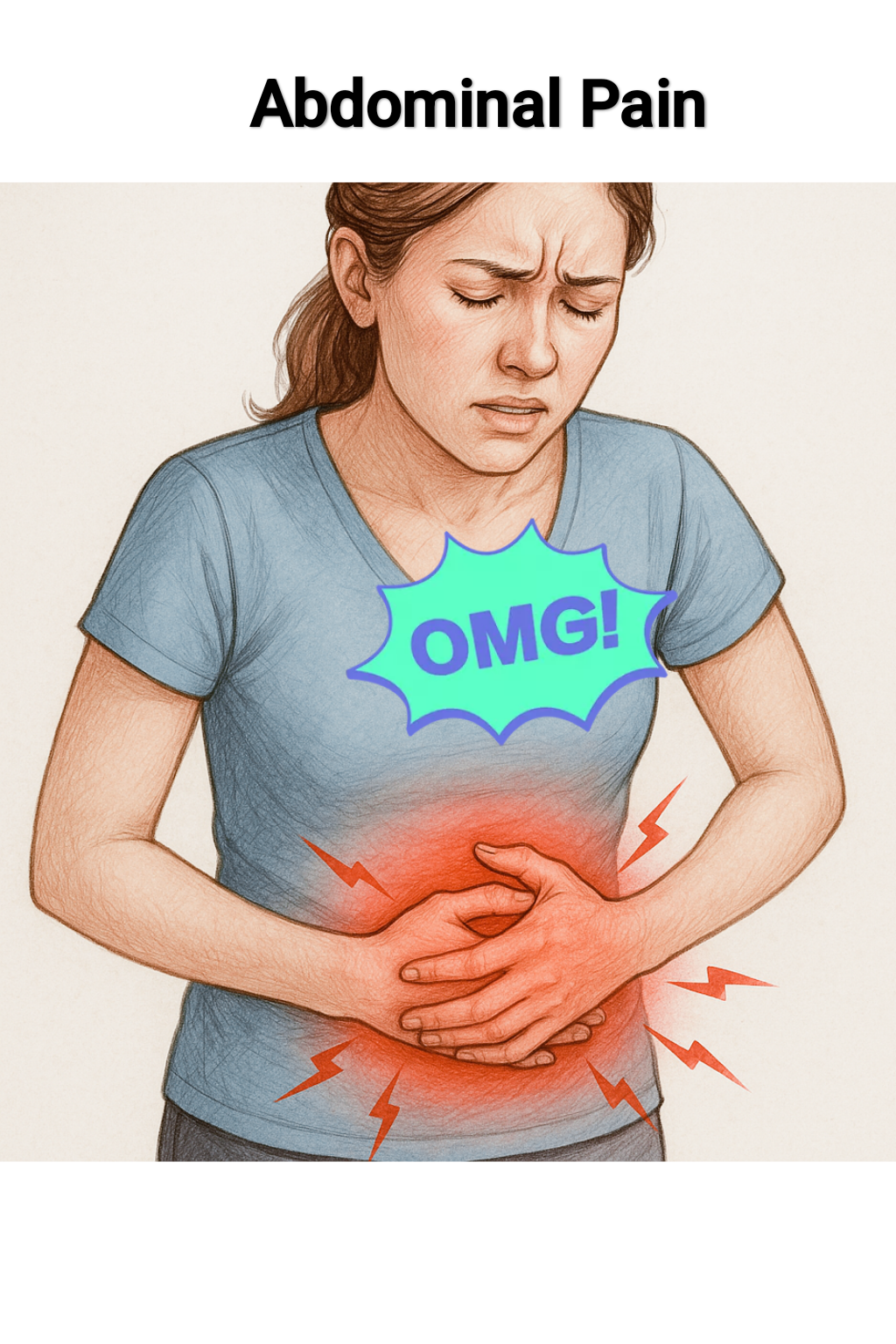
Most tummy aches are caused by wind, indigestion, constipation or a passing stomach bug, and settle within a day or two. A few causes need …
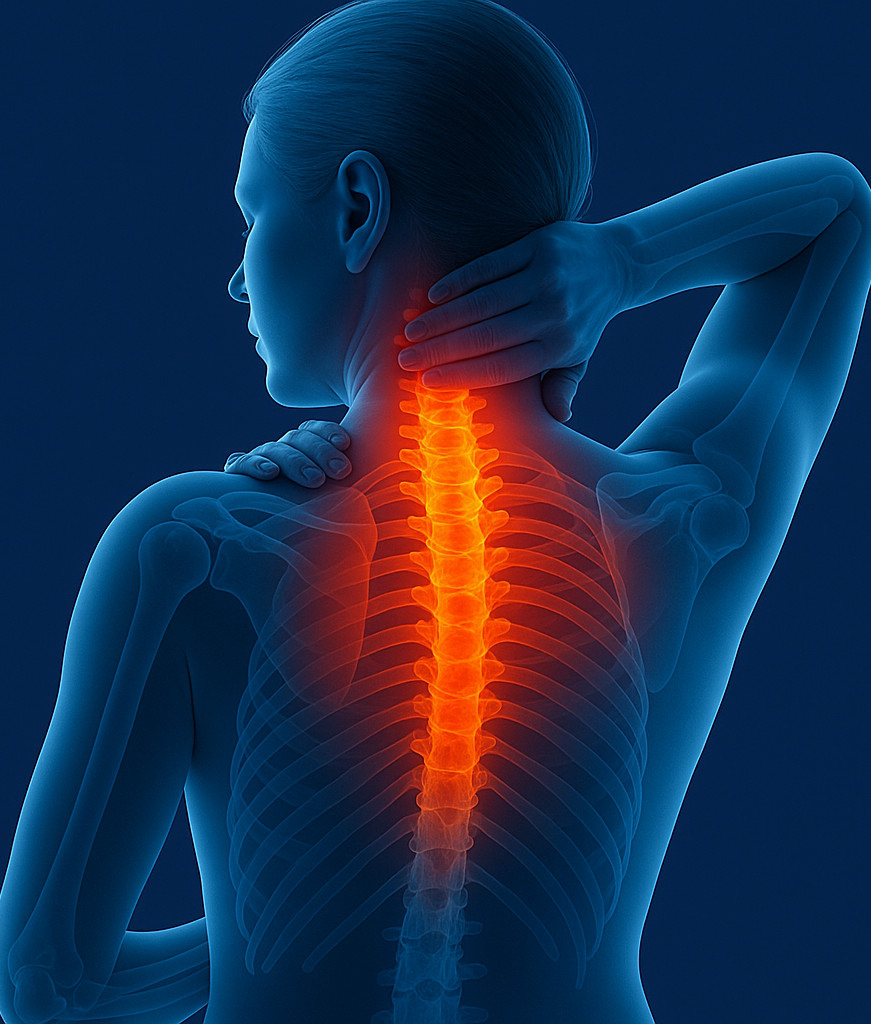
Women report neck pain more often than men across most age groups and countries. Part of the reason is work: women are over-represented in …

In 2022 the American Heart Association updated its checklist for heart health, now called Life's Essential 8. Four items are habits: diet, …

The large intestine is home to tens of trillions of bacteria, made up of hundreds of species, and the mix differs from person to person. Th…
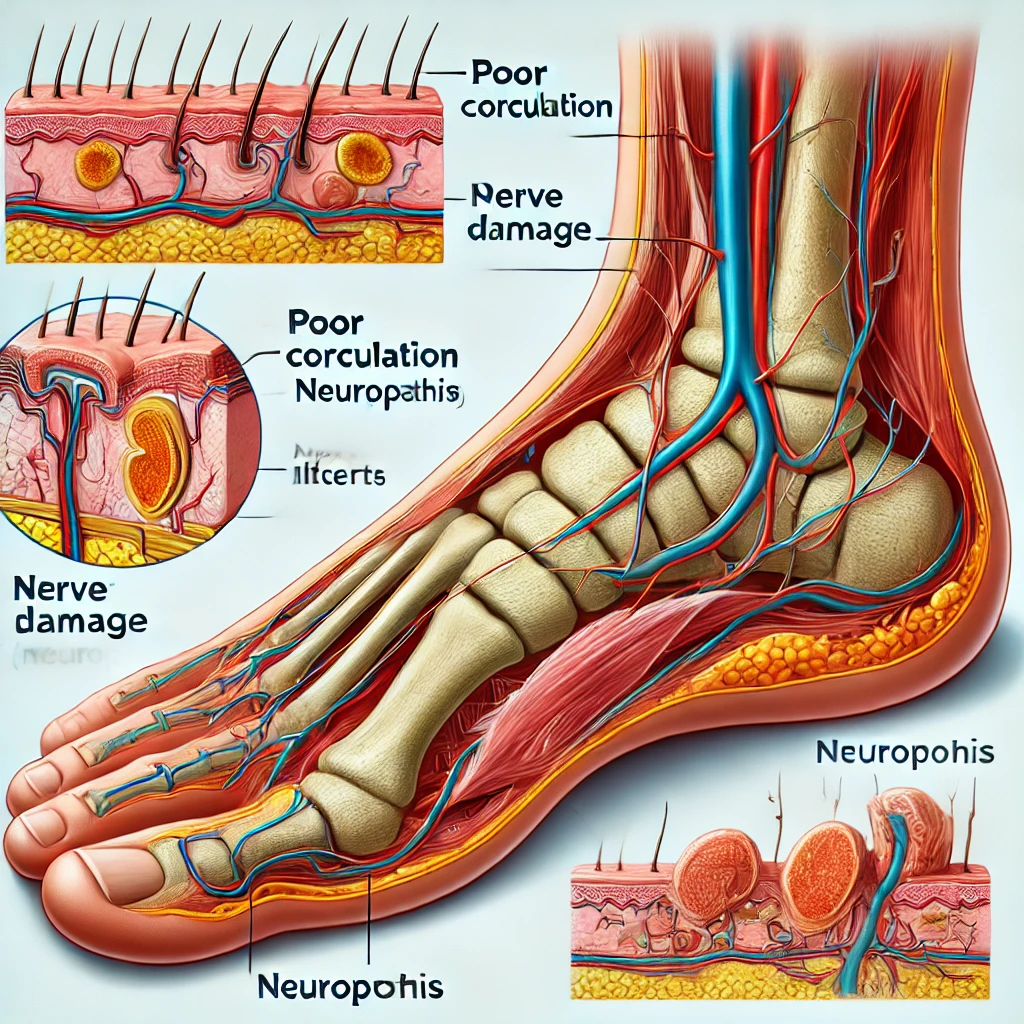
Between a fifth and a third of people with diabetes will develop a foot ulcer at some point in their lives. Once an ulcer has healed, about…

The Roman writer Celsus described inflammation in the first century with four Latin words that doctors still learn: rubor, calor, tumor, do…
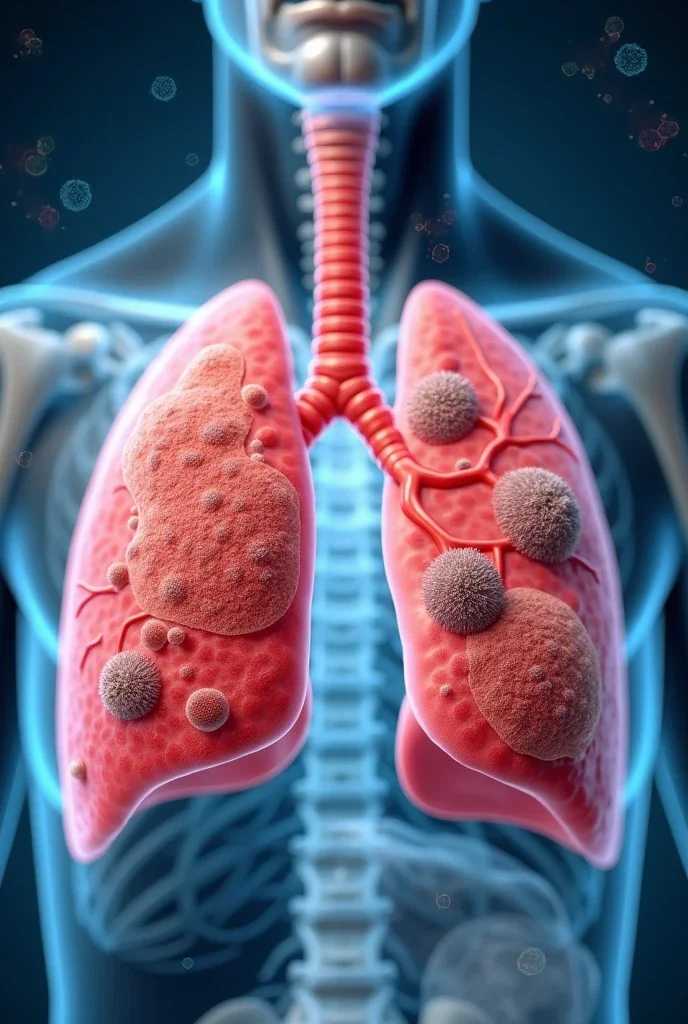
Lung cancer is both the most commonly diagnosed cancer in the world and the deadliest. In 2022 there were about 2.5 million new cases and 1…
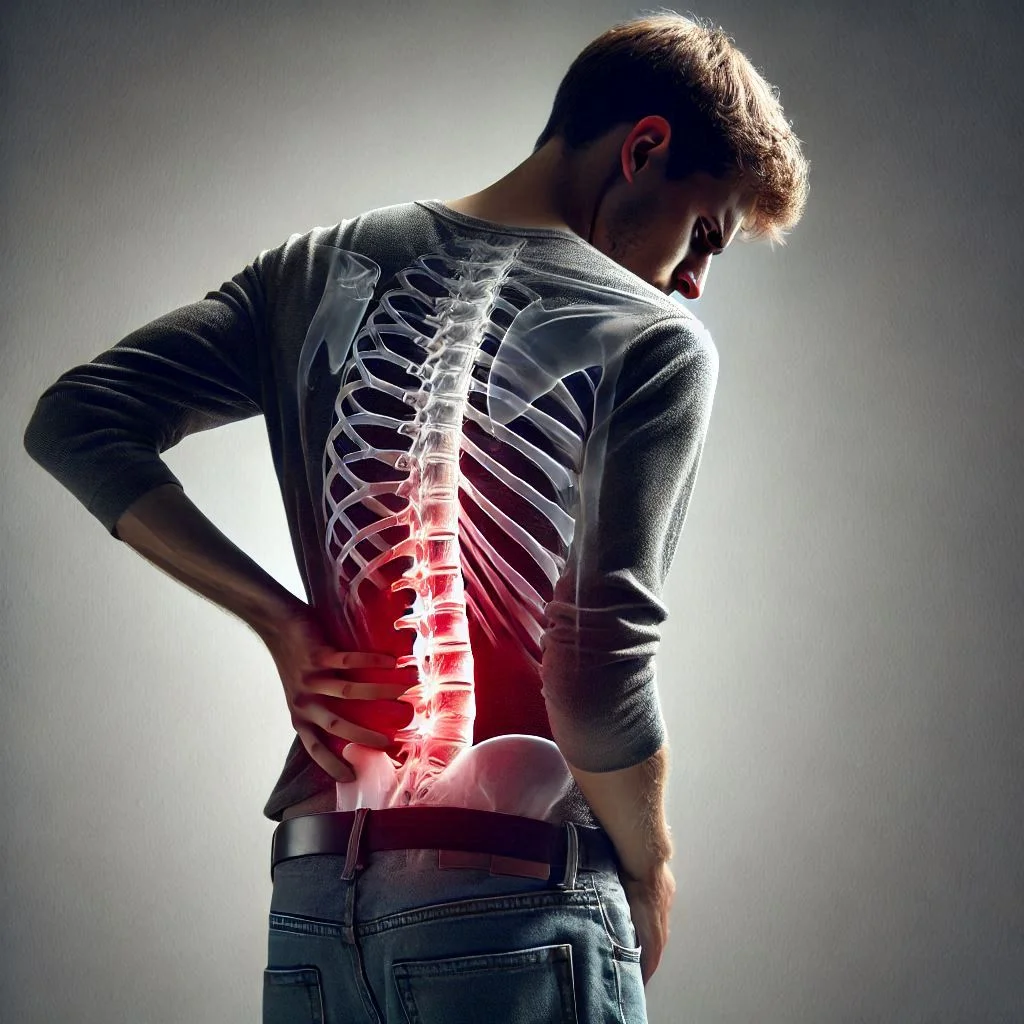
Lower back pain is the leading cause of disability worldwide. An estimated 619 million people were living with it in 2020, a figure expecte…

In 2010, a BBC television programme recruited over 11,000 viewers for an experiment on brain training. For six weeks, they practised online…

In 2003, Canadian researchers tested whether food alone could match a cholesterol-lowering drug. They combined four foods with proven effec…

The largest study of heart attack risk ever carried out, INTERHEART, compared about 15,000 people who had just had a first heart attack wit…
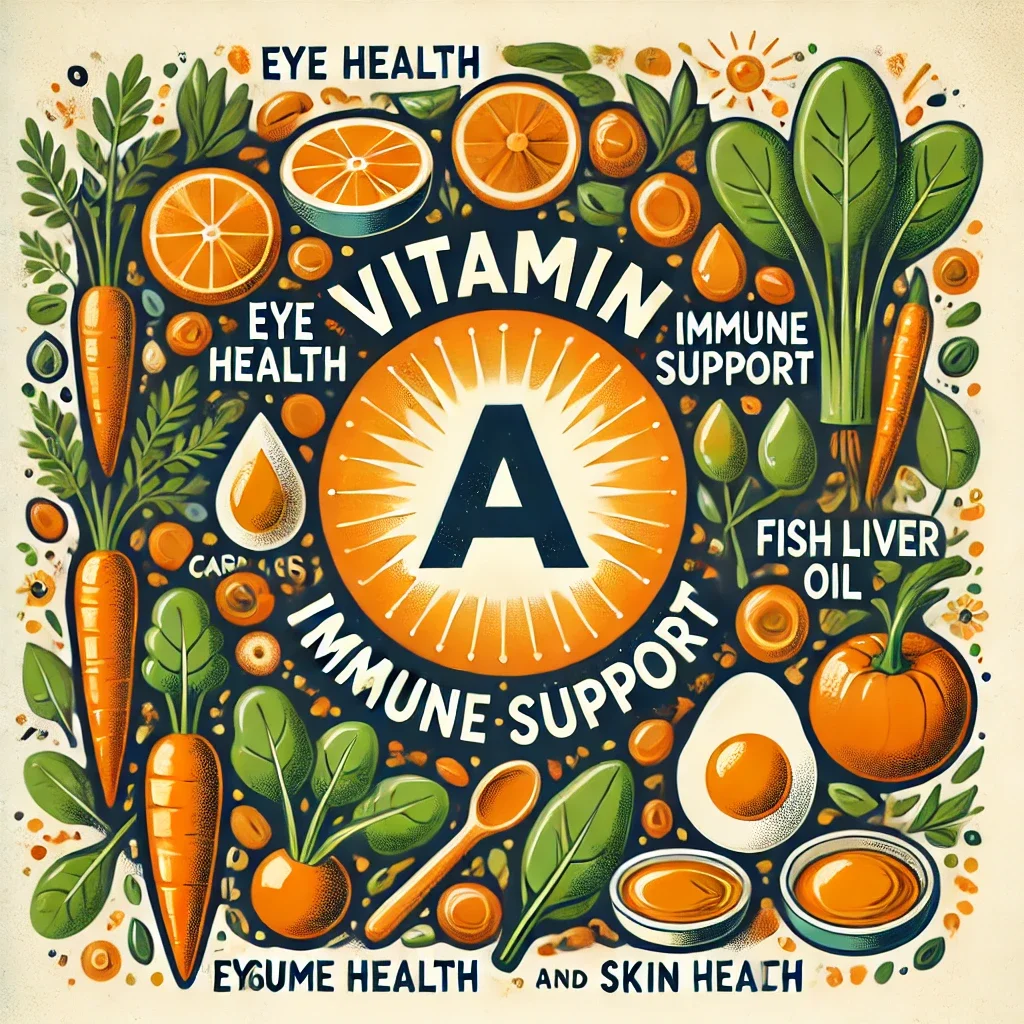
Vitamin A is unusual among vitamins because both too little and too much cause serious harm, and women face both risks at particular times …

Lists of "inflammatory foods" circulate widely, and they mix solid evidence with guesswork. Researchers have tried to put diet and inflamma…
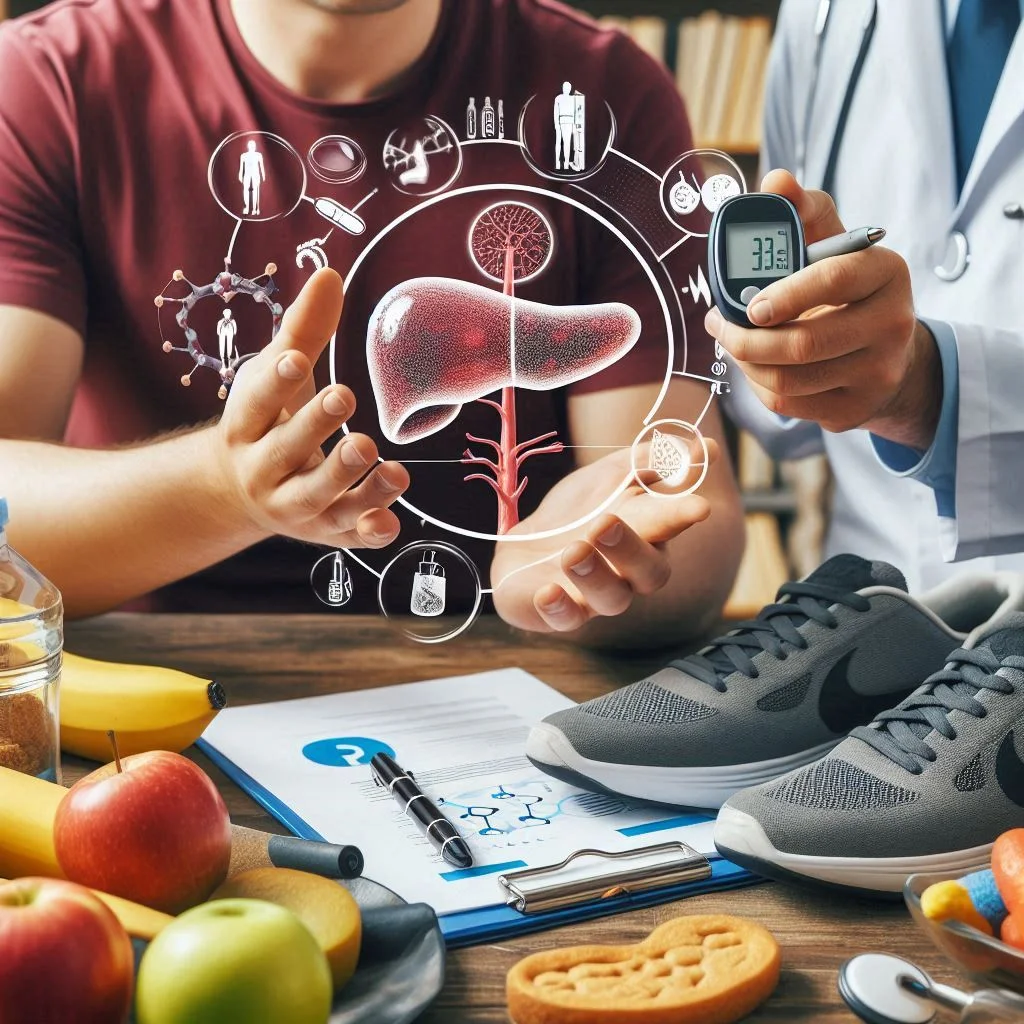
"Fatty liver" is now one of the most common findings on abdominal ultrasound. Worldwide, about 30% of adults have it (Hepatology, 2023). In…

Diet is one of the more manageable parts of headache prevention, but it works through a few specific routes. These are skipped meals, too l…

"Poor digestion" usually means one of four things: bloating and wind, constipation, heartburn, or loose and urgent stools. Each has differe…

Collagen makes up most of the dry weight of the skin's deeper layer, the dermis. It forms the springy framework that keeps skin firm. From …

The nose, sinuses and airways make mucus all the time. Most of it is swept up to the throat by tiny hairs called cilia and swallowed withou…

A standard 330 ml can of cola contains about 35 g of sugar, roughly seven teaspoons. That is more than the 30 g a day the NHS gives as the …

In 1938, researchers at Harvard began following 268 sophomores. They later added 456 young men from poor Boston neighbourhoods, and eventua…

Infertility is usually defined as not getting pregnant after a year of regular sex without contraception, or after six months for women age…

Making breast milk takes energy, roughly 500 calories a day for a baby who is exclusively breastfed. That helps with weight loss, but it is…

"Wash your hands" is good advice, but it only blocks some viruses. Flu and measles travel mostly through the air, norovirus spreads through…