

 Jun 04, 2026
 5 min read
Insulin Resistance in Women: The Hidden Hormonal Imbalance You Shouldn't Ignore
Insulin Resistance in Women: The Silent Hormonal Condition You Shouldn't Ignore
What Is Insulin Resistance?
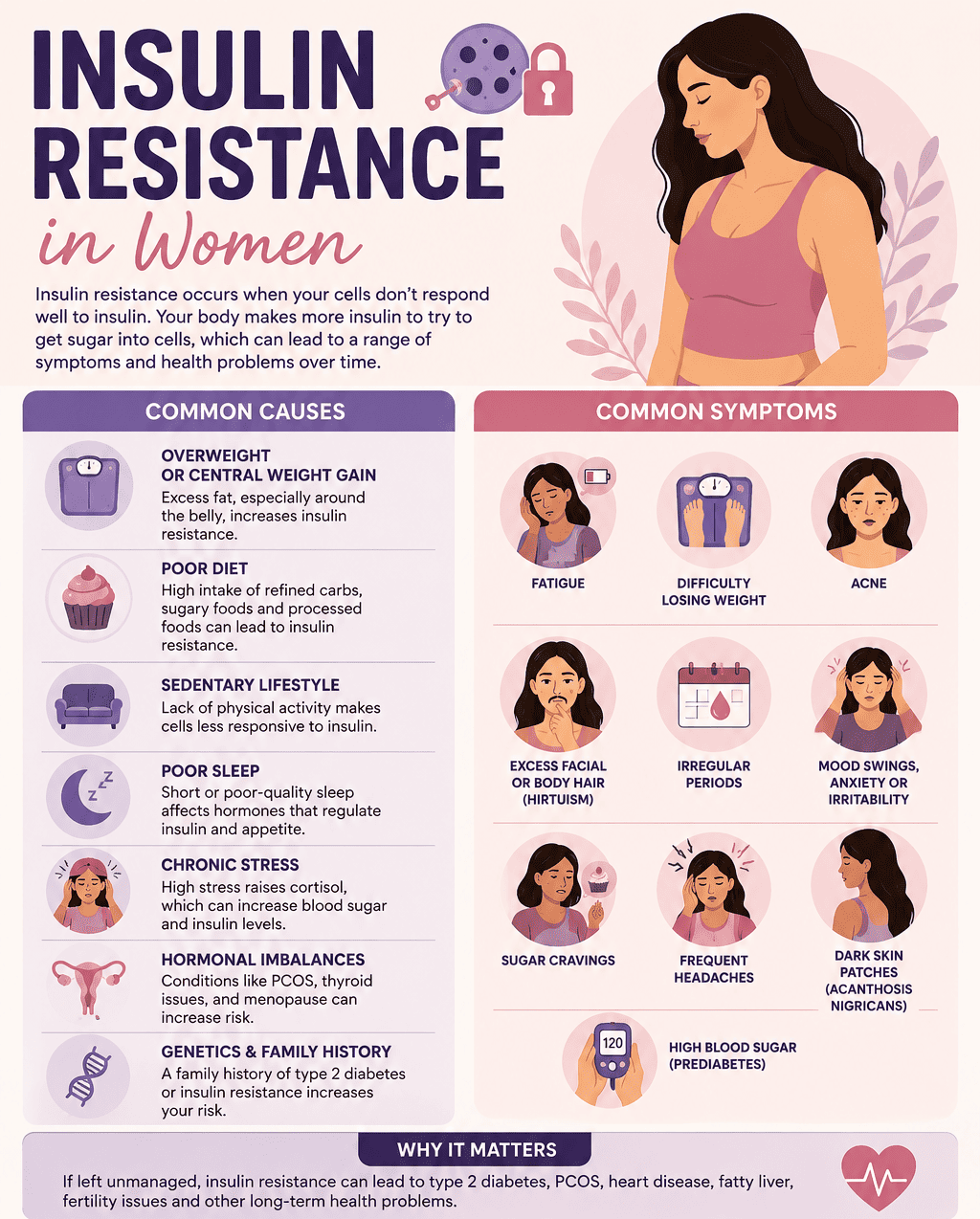
Insulin resistance is a metabolic issue in which the body's cells become less responsive to insulin, a hormone created by the pancreas that moves glucose from the blood into the cells to provide energy.
When cells are not responding properly to insulin, the pancreas tries to make more of it to keep blood sugar levels normal.
Initially, this extra insulin may help maintain normal blood sugar levels.
But over time, the pancreas might not be able to keep up, leading to higher blood sugar levels, prediabetes, and eventually Type 2 diabetes.
In women, insulin resistance is often linked to hormonal changes and reproductive health issues, making it an important, yet commonly overlooked, health issue.
Why Is Insulin Resistance Different in Women?
Women experience different hormonal changes throughout their lives, which can affect how well their bodies use insulin.
Conditions like Polycystic Ovary Syndrome (PCOS), pregnancy, and menopause can raise the risk of developing insulin resistance.
Beyond affecting blood sugar control, insulin resistance can also impact fertility, weight management, heart health, and overall well-being.
Common Causes and Triggers of Insulin Resistance in Women
1. Polycystic Ovary Syndrome (PCOS)
PCOS is one of the main causes of insulin resistance in women.
Studies show that up to 80% of women with PCOS have some level of insulin resistance, regardless of their weight.
Excess insulin can cause the ovaries to produce more androgens (male hormones), leading to symptoms like:
- Irregular menstrual cycles
- Acne
- Excess facial or body hair
- Difficulty getting pregnant
- Weight gain
2. Menopause and Hormonal Changes
As women approach menopause, levels of estrogen and progesterone decrease.
These hormonal shifts can lead to the accumulation of fat around the abdomen.
Abdominal fat is metabolically active and releases substances that can interfere with insulin function, increasing the chance of insulin resistance.
3. Excess Body Fat
Carrying extra weight, especially around the waist, is strongly linked to insulin resistance.
Abdominal fat releases hormones and inflammatory chemicals that make it harder for the body to use insulin effectively.
4. Physical Inactivity
Regular movement helps muscles absorb glucose more efficiently.
Being inactive can reduce insulin sensitivity, making it harder for the body to manage blood sugar levels.
5. Certain Medications
Some medications can cause insulin resistance, including:
- Corticosteroids (steroids)
- Certain blood pressure drugs
- Some HIV treatments
- Certain psychiatric medications
If you think a medication may be affecting your blood sugar levels, talk to your healthcare provider before making any changes.
6. Family History and Genetics
A family history of prediabetes, Type 2 diabetes, insulin resistance, or PCOS can increase your risk.
While genetics are not something you can change, lifestyle choices can affect how genes are expressed.
Warning Signs and Symptoms
One of the hardest things about insulin resistance is that it often develops without noticeable symptoms.
The body may initially make more insulin to compensate, so many women may not feel any effects for years.
As insulin resistance progresses, symptoms can include:
Weight-Related Symptoms
- Persistent weight gain
- Difficulty losing weight
- Increased belly fat
Energy and Mood Changes
- Fatigue in the afternoon
- Tiredness after meals
- Brain fog
- Mood swings
- Irritability
Food Cravings
- Intense desire for sugary foods
- Frequent hunger
- Cravings for refined carbohydrates
Skin Changes
- Dark, velvety patches of skin (acanthosis nigricans) on the neck, armpits, or groin.
- Increased skin tags
Reproductive Symptoms
- Irregular menstrual periods
- Fertility problems
- PCOS-related symptoms
Other Possible Signs
- Frequent headaches
- High blood sugar levels
- Changes in vision that might signal eye issues related to diabetes
Prediabetes: The Hidden Stage
Many women with insulin resistance eventually develop prediabetes, which often has no clear symptoms.
Some women may notice:
- Darkened skin around the neck or armpits
- Skin tags
- Mild changes in vision
Because symptoms can be hard to notice, it's important to have regular health checkups, especially if you have risk factors like PCOS, obesity, or a family history of diabetes.
Who Can Develop Insulin Resistance?
Anyone can develop insulin resistance, including people without diabetes.
It may be temporary, occurring during:
- Pregnancy
- Short-term steroid use
- Severe illness
- High-stress periods
It may also be chronic, more commonly linked to:
- Excess abdominal fat
- Inactivity
- Hormonal disorders
- Genetic factors
Even people with Type 1 diabetes can develop insulin resistance along with their condition.
Health Risks of Untreated Insulin Resistance
If left untreated, insulin resistance can lead to several serious health problems, including:
- Prediabetes
- Type 2 diabetes
- Heart disease
- High blood pressure
- Stroke
- Fatty liver disease
- PCOS complications
- Fertility issues
- Metabolic syndrome
Early detection and action can greatly reduce these risks.
How to Improve Insulin Sensitivity Naturally
Focus on a Balanced Diet
Choose foods that help keep blood sugar levels stable:
Eat more:
- Vegetables
- Whole grains
- Legumes
- Lean proteins
- Nuts and seeds
- Healthy fats like olive oil and avocado
Limit:
- Sugary drinks
- Refined carbohydrates
- Ultra-processed foods
- Too much sugar and desserts
Exercise Regularly
Physical activity helps muscles better use glucose and can improve insulin sensitivity.
Aim for:
- At least 150 minutes of moderate exercise each week
- Strength training 2–3 times a week
- Daily walking and movement
Prioritize Sleep
Not getting enough sleep can worsen insulin resistance and increase cravings.
Most adults should aim for:
- 7–9 hours of good-quality sleep each night
Manage Stress
Long-term stress raises cortisol levels, which can contribute to insulin resistance.
Helpful stress-reduction techniques include:
- Meditation
- Deep breathing exercises
- Yoga
- Spending time in nature
- Mindfulness practices
Maintain a Healthy Weight
Even a small amount of weight loss can help improve insulin sensitivity and lower the risk of Type 2 diabetes.
When Should You See a Healthcare Provider?
Talk to a healthcare professional if you experience:
- Persistent tiredness
- Unexplained weight gain
- Dark skin patches
- Irregular periods
- Difficulty getting pregnant
- Strong family history of diabetes
- High blood sugar levels
Early testing can help identify insulin resistance before serious issues arise.
Final Thoughts
Insulin resistance is more than just a blood sugar issue—it's a complex condition that affects energy, weight, fertility, and long-term health in women.
The good news is that making lifestyle changes like eat
ing well, staying active, getting enough sleep, and managing stress can greatly improve insulin sensitivity and lower the risk of future health problems.
Understanding the warning signs is an important first step in taking control of your health.



Comments (0)
Leave a Reply
Log in to post a comment.