

 Jul 07, 2025
 5 min read
Managing Type 2 Diabetes Naturally: What Diet, Exercise and Supplements Can Do

Type 2 diabetes was long described as a one-way street: once you had it, you managed it with more and more medicine. A British trial changed that view. In the DiRECT study, people with type 2 diabetes diagnosed within the previous six years followed a low-calorie liquid diet for three to five months, then reintroduced normal food with support. After a year, 46% were in remission, with normal blood sugar and off all diabetes medicines. Among those who lost 15 kg or more, 86% were in remission. At two years, 36% still were.
So lifestyle can do a great deal for type 2 diabetes. This article covers what works, by how much, and where "natural" remedies fit. It does not apply to type 1 diabetes, an autoimmune condition in which the body makes little or no insulin. People with type 1 always need insulin, and no diet or supplement replaces it. For the basics of the different types and their symptoms, see Understanding Diabetes: Beyond the Sugar Myth.
Weight loss drives most of the benefit
In type 2 diabetes, fat builds up in the liver and pancreas and interferes with how insulin is made and used. Losing weight clears some of that fat. Any loss helps. Losing 5% of body weight improves blood sugar, and losses of 10 to 15 kg give the best chance of remission, especially within the first few years after diagnosis.
Several eating patterns work, provided they lead to weight loss and can be kept up. These include Mediterranean-style eating, lower-carbohydrate diets, and meal-replacement programmes like the one in DiRECT. The common ground is cutting sugary drinks, sweets and refined starch, eating plenty of vegetables, pulses and other high-fibre foods, and keeping portions of rice, bread and chapati moderate.
People of South Asian descent develop type 2 diabetes at lower body weights, and often about ten years earlier, than people of European descent. A "normal" BMI can still carry a high risk.
Exercise works even without weight loss
Working muscles take up glucose with or without insulin, so activity lowers blood sugar directly. The usual target is at least 150 minutes a week of moderate activity, such as brisk walking, plus two sessions of strength exercise. A 10 to 15 minute walk after meals noticeably reduces the rise in blood sugar afterwards. Getting up every 30 minutes during long periods of sitting also helps.
Sleep and stress
Regularly sleeping less than six hours makes insulin work less well and increases appetite. Long-term stress raises cortisol, which pushes blood sugar up. Neither is a treatment on its own, but both make other changes easier or harder to keep up.
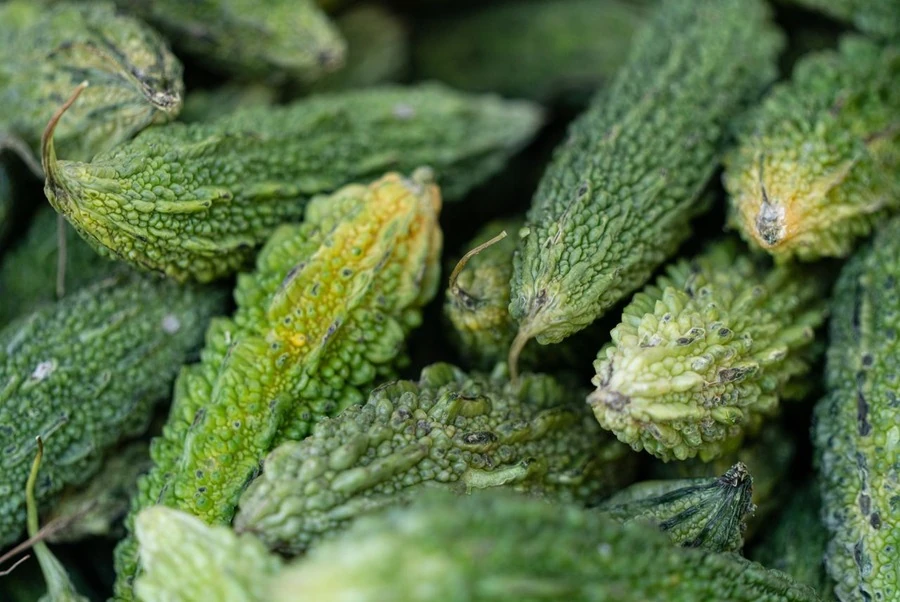
Berberine has the best evidence of any supplement, but it interacts with other medicines. Photo: Lars H Knudsen / Pexels
Supplements and herbs: what the evidence shows
Berberine, a plant compound, has the best evidence of any supplement. Trials, mostly small and from China, show HbA1c falls of around 0.5 to 0.7 percentage points. That is a real effect, roughly the size of one standard medicine. It commonly causes constipation, diarrhoea or cramps. It interacts with liver enzymes that process many drugs, including ciclosporin and some statins. It adds to the effect of diabetes medicines, raising the risk of low blood sugar. It must not be used in pregnancy or breastfeeding. If you want to try it, discuss it with your doctor or pharmacist first, and keep taking your prescribed medicines.
Cinnamon trials are inconsistent. Some show small falls in fasting sugar, but few show a clear effect on HbA1c. Cassia cinnamon, the common supermarket type, contains coumarin, which can harm the liver in large daily doses.
Chromium shows no consistent benefit. Magnesium helps only if you are deficient, which is more common in diabetes and in people taking acid-reducing medicines or some diuretics. Vitamin D did not significantly prevent diabetes in a large trial of people with prediabetes. Bitter melon and fenugreek have small effects in small studies. Both can add to the effect of diabetes medicines.
No supplement comes close to the effect of losing 10 kg.
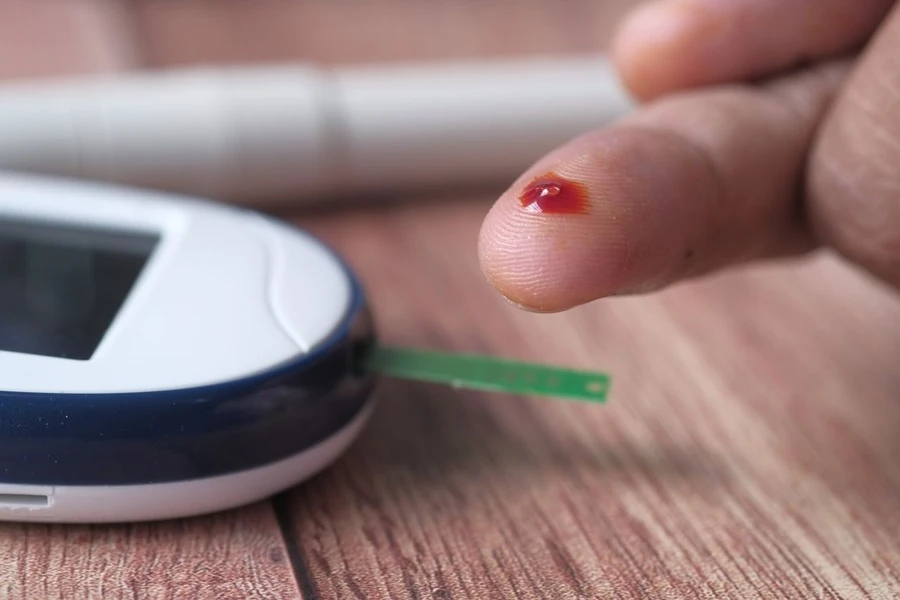
On insulin or a sulfonylurea, cutting carbohydrates can cause low blood sugar, so talk to your doctor first. Photo: Towfiqu barbhuiya / Pexels
Safety when changing diet on medication
If you take insulin or a sulfonylurea (such as gliclazide or glimepiride), cutting carbohydrates or calories can cause hypoglycaemia. Your doses may need lowering before you start, so speak to your doctor first.
If you take an SGLT2 inhibitor (empagliflozin, dapagliflozin, canagliflozin), do not start a very low-carbohydrate or very low-calorie diet without medical advice. The combination can cause ketoacidosis, a dangerous condition that can happen even when blood sugar readings look normal.
Don't stop metformin or other medicines on your own because your readings improve. If your levels stay normal, your doctor can reduce them in steps and watch what happens.
Keeping track
HbA1c, a blood test that reflects average blood sugar over the past two to three months, is the main measure. Diabetes is diagnosed at 48 mmol/mol (6.5%) or above. Remission is usually defined as staying below that for at least three months without diabetes medicines.
Remission is not a cure. Blood sugar rises again if the weight comes back, so yearly checks remain necessary. So do eye screening and foot checks, if any damage occurred before remission. The NHS type 2 diabetes guide covers the checks you should expect.
Sources
- Lean M, Leslie W, Barnes A, Brosnahan N et al., "Primary care-led weight management for remission of type 2 diabetes (DiRECT): an open-label, cluster-randomised trial", The Lancet 391 (2018): 541-551. https://doi.org/10.1016/S0140-6736(17)33102-1
- Lean M, Leslie W, Barnes A, Brosnahan N et al., "Durability of a primary care-led weight-management intervention for remission of type 2 diabetes: 2-year results of the DiRECT open-label, cluster-randomised trial", The Lancet Diabetes & Endocrinology 7 (2019): 344-355. https://doi.org/10.1016/S2213-8587(19)30068-3
- NHS, "Type 2 diabetes". https://www.nhs.uk/conditions/type-2-diabetes/


Comments (0)
Leave a Reply
Comments are moderated. Please read our Comment Policy before posting.
Log in to post a comment.