

 Jul 06, 2026
 5 min read
Understanding Diabetes: Types, Diagnosis Numbers and Common Myths
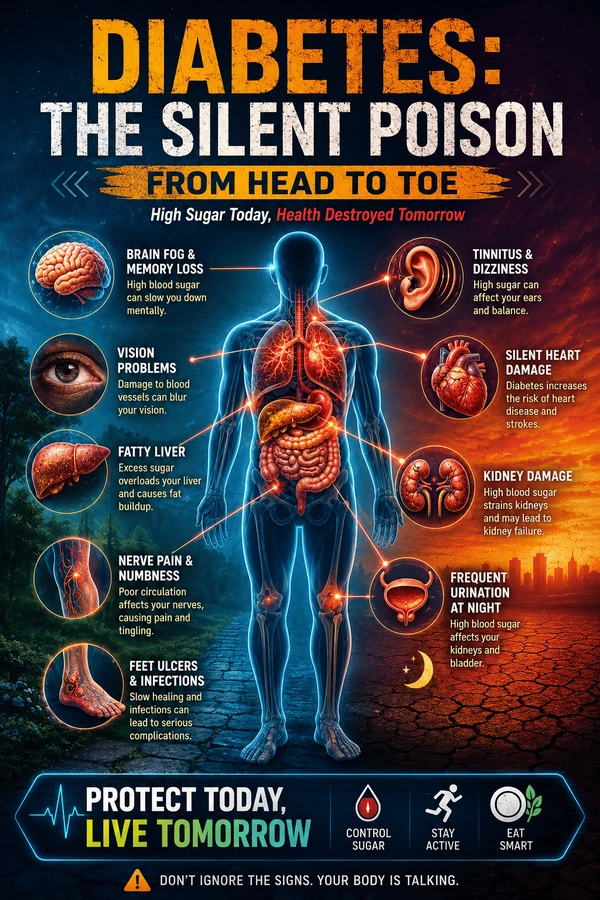
In 2021 the International Diabetes Federation estimated that 537 million adults worldwide had diabetes, and that close to half of them didn't know it. Pakistan had about 33 million, the third-highest number of any country. That is roughly one adult in four. Diabetes is often reduced to "too much sugar", in the diet or in the blood. The reality is more varied, and the misunderstanding delays diagnosis.
The main types
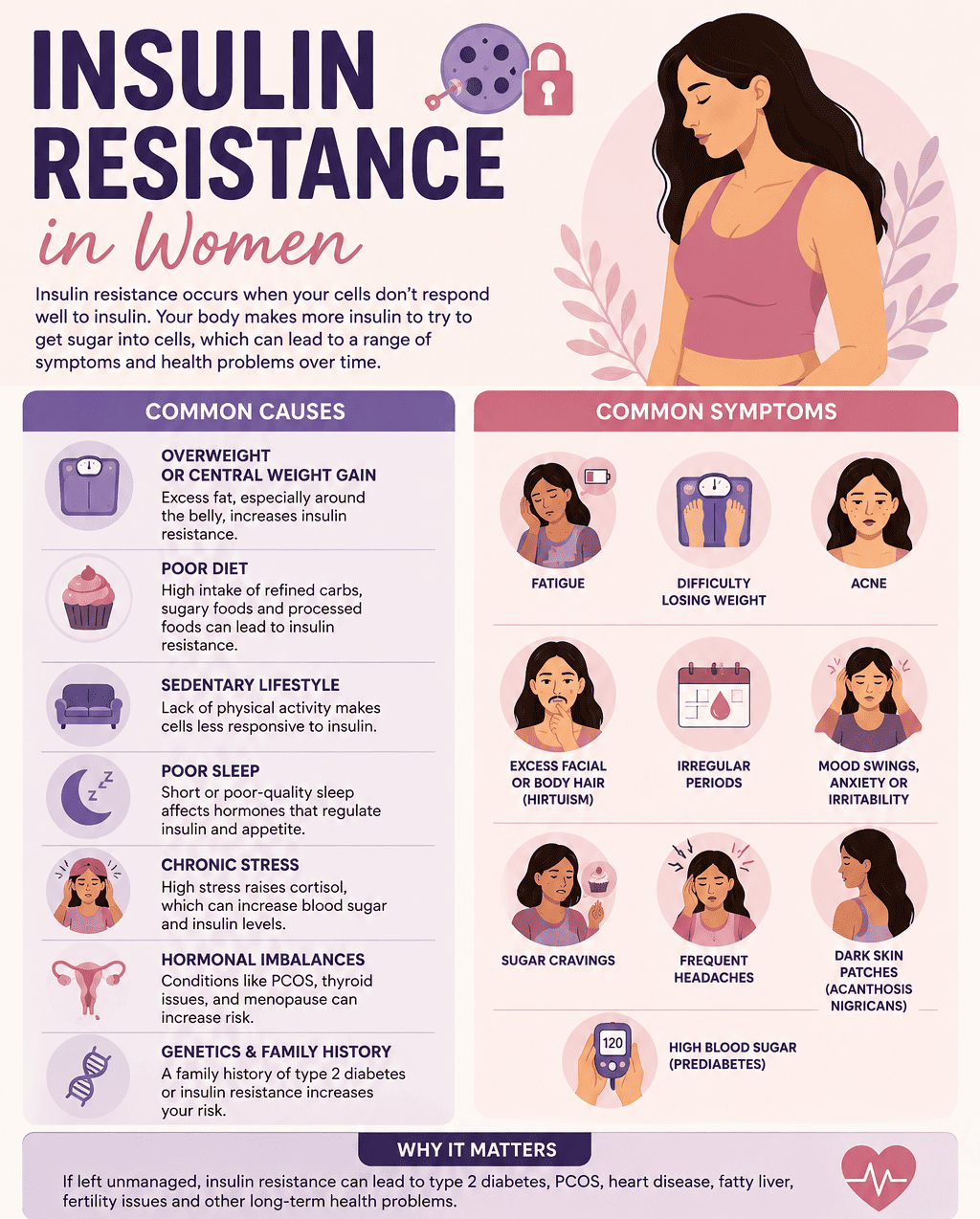
Type 2 diabetes makes up about 90% of cases. The body still makes insulin, but the cells respond poorly to it (insulin resistance), and over time the pancreas can't keep up. The strongest risk factors are excess weight, especially around the waist, lack of activity, family history, age and ethnicity. People of South Asian descent develop it at lower body weights and often about a decade younger than people of European descent.
Type 1 diabetes is an autoimmune disease: the immune system destroys the insulin-making cells. It usually begins in childhood or young adulthood, but can start at any age. It has nothing to do with eating sugar or with weight, and insulin is needed from diagnosis for life.
Gestational diabetes develops during pregnancy, usually from the middle of the pregnancy onwards, and goes away after birth. It is a warning sign for later. Women who have had it are about ten times more likely to develop type 2 diabetes in the following years than women who haven't (BMJ, 2020). They should have a yearly HbA1c test.
Less common types include diabetes caused by damage to the pancreas, such as chronic pancreatitis; inherited single-gene forms (MODY), which often run strongly through families; and diabetes caused by steroid medicines.
Symptoms, or the lack of them
High blood sugar pulls water into the urine, causing thirst, frequent urination (often at night), tiredness and blurred vision. Other common signs are repeated thrush or urine infections and cuts that heal slowly. In type 1 these symptoms usually come on over weeks, with weight loss despite eating normally.
Type 2 often causes no symptoms for years. That is why so many people are diagnosed only when a complication appears, or by a routine test.
An emergency to know about: in type 1, a lack of insulin can quickly lead to diabetic ketoacidosis. The signs are vomiting, tummy pain, deep rapid breathing, breath that smells of pear drops or nail-polish remover, and drowsiness. A child who is thirsty, weeing a lot, losing weight and then starts vomiting needs a same-day blood sugar test.
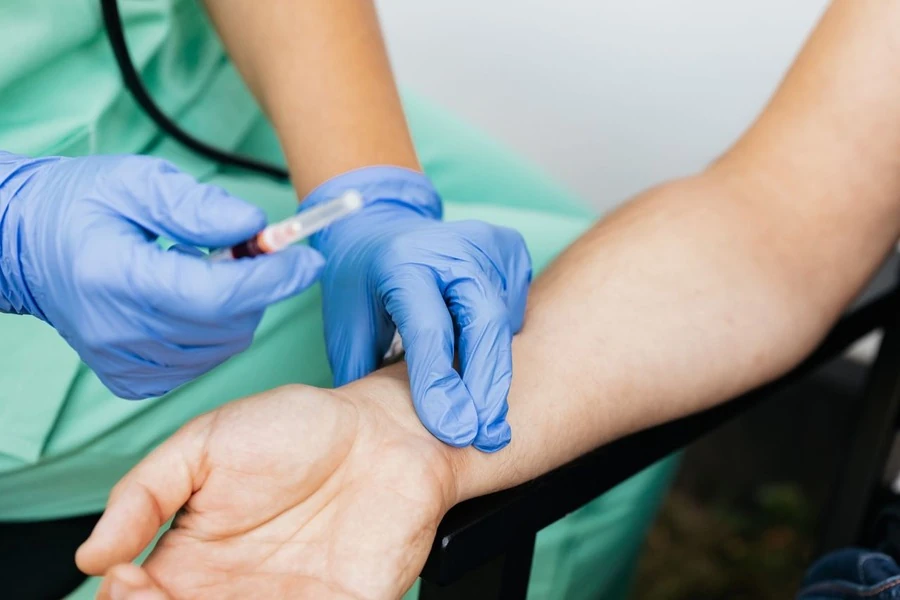
Diabetes is diagnosed with a blood test, usually repeated to confirm it. Photo: Kaboompics / Pexels
How it's diagnosed
A diagnosis needs a blood test, usually repeated to confirm it:
- HbA1c (average blood sugar over 2 to 3 months): 48 mmol/mol (6.5%) or higher means diabetes. 42 to 47 mmol/mol (6.0 to 6.4%) is prediabetes by UK criteria. US guidelines use 5.7% as the lower cut-off.
- Fasting blood glucose: 7.0 mmol/L (126 mg/dL) or higher means diabetes.
- Glucose tolerance test: 11.1 mmol/L (200 mg/dL) or higher two hours after a sugary drink. This test is used in pregnancy.
A home glucometer reading can raise suspicion, but it isn't accurate enough for diagnosis. HbA1c can also be misleading in people with anaemia, some haemoglobin variants such as thalassaemia trait, or recent blood loss.
Prediabetes can be turned around
In the US Diabetes Prevention Program, people with prediabetes who lost about 7% of their body weight and walked about 150 minutes a week cut their chance of developing diabetes by 58% over three years. Metformin cut it by 31%. Lifestyle change did better than the drug. Prediabetes is not "borderline and harmless". It is the best time to act.

Whole fruit is fine with diabetes; the overall pattern and portion size are what matter. Photo: Denise H. / Pexels
Common myths
- "Eating sugar causes diabetes." Not directly. But sugary drinks add weight and are independently linked to type 2 diabetes, so cutting them helps.
- "People with diabetes can't eat fruit or sweets." Whole fruit is fine and recommended. Sweets in modest amounts with meals can fit into most plans. What matters is the overall pattern and portion size.
- "Needing insulin means you failed." Type 2 diabetes tends to progress, and many people eventually need insulin through no fault of their own. Insulin is a medicine, not a punishment.
- "Herbal remedies can replace medicine." Some, such as berberine, have small effects, but none replaces insulin in type 1. Stopping prescribed medicines in favour of remedies is a common cause of dangerous complications.
Why control matters
Years of high blood sugar damage small blood vessels in the eyes, kidneys and nerves, and large arteries in the heart, brain and legs. Diabetes is a leading cause of kidney failure, blindness in working-age adults and lower-limb amputation, and it roughly doubles the risk of heart attack and stroke. Good control of blood sugar, blood pressure and cholesterol, plus not smoking, prevents much of this.
Standard checks include:
- HbA1c every 3 to 6 months
- a yearly eye screening photograph
- a yearly foot check (see our guide to diabetic foot care)
- kidney blood and urine tests
- blood pressure and cholesterol
For what diet and exercise can achieve in type 2 diabetes, including remission, see Managing Type 2 Diabetes Naturally. The WHO diabetes fact sheet gives the global picture.
Sources
- Vounzoulaki E, Khunti K, Abner S, Tan B et al., "Progression to type 2 diabetes in women with a known history of gestational diabetes: systematic review and meta-analysis", BMJ (2020): m1361. https://doi.org/10.1136/bmj.m1361
- , "Reduction in the Incidence of Type 2 Diabetes with Lifestyle Intervention or Metformin", New England Journal of Medicine 346 (2002): 393-403. https://doi.org/10.1056/NEJMoa012512
- World Health Organization, "Diabetes". https://www.who.int/news-room/fact-sheets/detail/diabetes



Comments (0)
Leave a Reply
Comments are moderated. Please read our Comment Policy before posting.
Log in to post a comment.