

 Jun 27, 2026
 4 min read
Hormonal Imbalance in Women: The Conditions Behind It and the Tests That Help
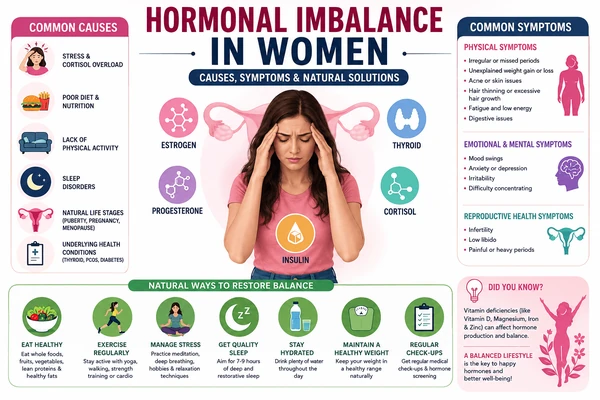
"Hormonal imbalance" is not a medical diagnosis. It is a catch-all phrase covering a handful of specific conditions, each with its own tests and treatments. It is also a popular marketing label for supplements and detox programmes. Women with irregular periods, acne, weight changes or fatigue are better served by asking which hormone, why, and how to test for it.
The conditions behind most symptoms
Thyroid disorders. An underactive thyroid (hypothyroidism) causes tiredness, weight gain, feeling cold, constipation, dry skin, low mood and heavier periods. An overactive one causes weight loss, anxiety, a racing heart, sweating and lighter periods. Both are several times more common in women than men, and particularly common after pregnancy and in midlife. A simple blood test (TSH, with free T4) diagnoses them, and treatment is effective.
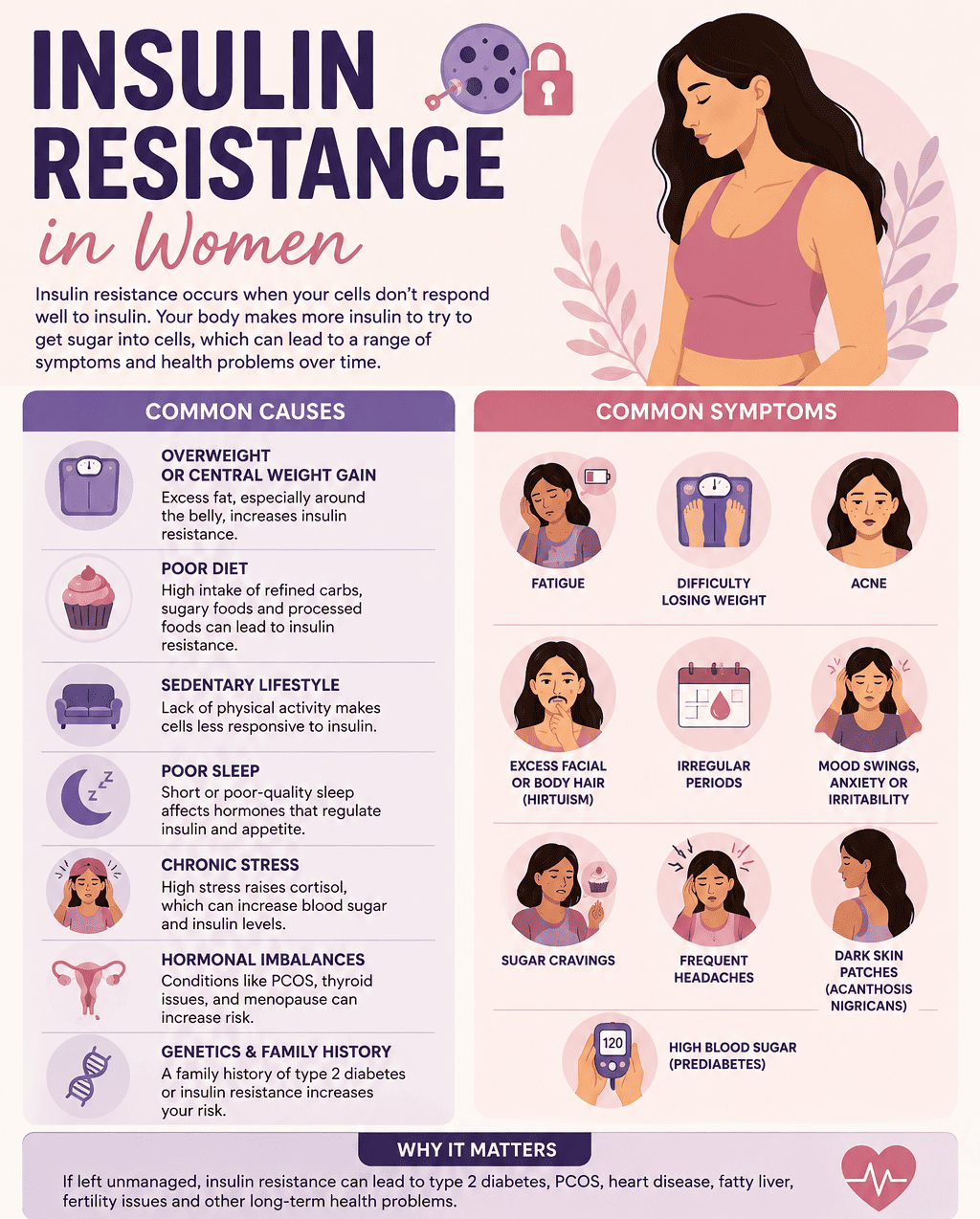
Polycystic ovary syndrome (PCOS). Affecting roughly one woman in ten, PCOS causes irregular or absent periods, excess facial and body hair, acne and difficulty conceiving, often with insulin resistance. It is diagnosed when two of these three are present: irregular ovulation, signs or blood tests showing high androgens, and polycystic ovaries on ultrasound. Our article on insulin resistance in women covers it in more depth.
High prolactin. Prolactin normally rises only in pregnancy and breastfeeding. A high level at other times can stop periods and cause milky nipple discharge. Common causes are medicines, including some antipsychotics, metoclopramide and domperidone, an underactive thyroid, and small benign growths in the pituitary gland.
Perimenopause. In the years before periods stop, usually in the mid to late forties, hormone levels swing unpredictably. Periods become irregular, and hot flushes, night sweats, poor sleep, mood changes and brain fog are common. Blood tests are often unhelpful at this stage because levels change from day to day. Diagnosis is usually based on age and symptoms.
Premature ovarian insufficiency. About 1 in 100 women have menopause before 40. Missed periods with hot flushes in a younger woman need checking. Hormone replacement is important to protect bones and the heart until the natural age of menopause.
Low weight, heavy exercise and stress. Undereating, intense training and severe stress can switch off the signals from the brain that drive the menstrual cycle, a condition called hypothalamic amenorrhoea. Periods stop and bone density falls. The treatment is eating enough, not supplements.
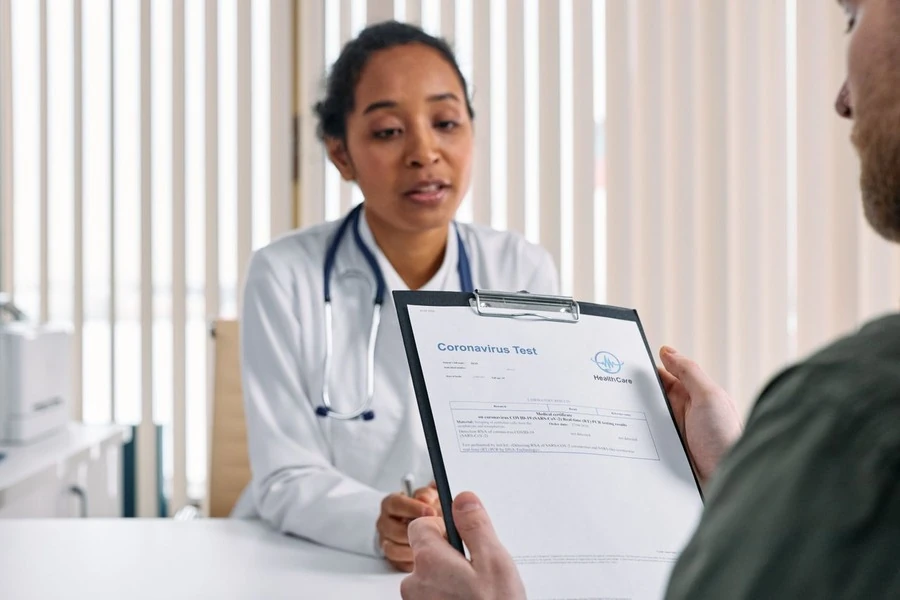
The right hormone test depends on the question and on the day of the cycle it's taken. Photo: cottonbro studio / Pexels
Tests that help, and tests that don't
Useful tests depend on the question and the timing:
- TSH for thyroid problems
- prolactin
- testosterone and sex hormone-binding globulin for suspected PCOS
- FSH and LH early in the cycle (days 2 to 5) when periods are irregular or absent
- progesterone about a week before an expected period to confirm ovulation
- a pregnancy test whenever periods stop
Large "hormone panels" sold directly to consumers, and saliva or urine hormone tests, often produce numbers that are hard to interpret without knowing where in the cycle they were taken. They rarely change treatment.
"Natural" approaches: what holds up
- Weight change helps where weight is part of the cause. Losing 5 to 10% in PCOS often restores periods. Regaining weight does the same in hypothalamic amenorrhoea.
- Exercise improves insulin resistance, mood and sleep, and eases some menopausal symptoms.
- Agnus castus (chasteberry) has modest evidence for premenstrual symptoms. It may interact with hormonal contraception and with medicines that act on dopamine.
- Ashwagandha is widely sold for stress and "hormone balance". It has been linked to rare cases of liver injury, and it can affect thyroid levels. It isn't advised in pregnancy, or for people with thyroid disease, without medical advice.
- "Hormone detox" products and DIM supplements have little reliable evidence in women.
Herbal products are medicines too. Tell your doctor or pharmacist about them, especially if you take the pill, thyroid medicine or antidepressants.
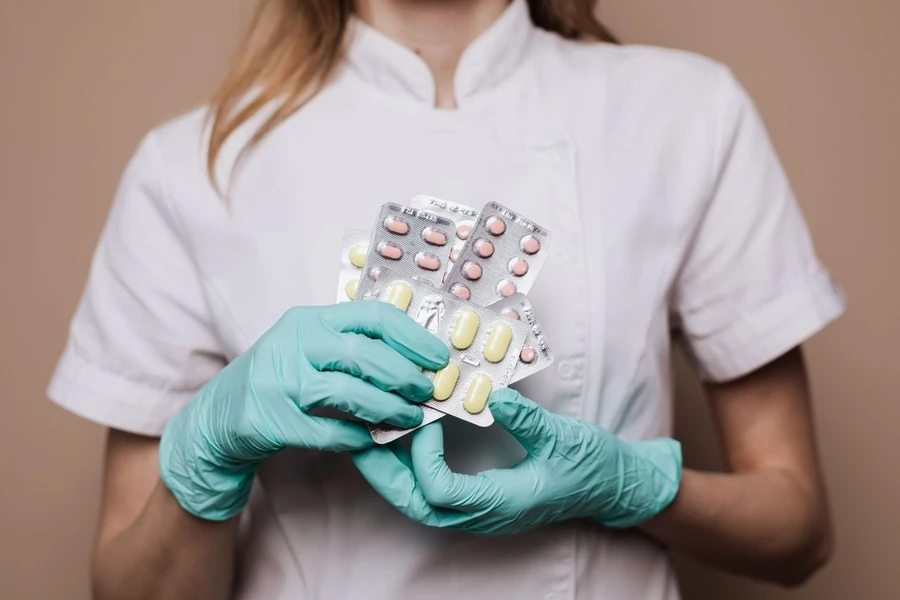
Treatment matches the cause, from levothyroxine for the thyroid to HRT for menopausal symptoms. Photo: Kaboompics / Pexels
Medical treatments
Treatment matches the cause. Levothyroxine treats an underactive thyroid. The combined pill, metformin or anti-androgen medicines are used in PCOS. Medicine changes or cabergoline treat high prolactin. Hormone replacement therapy is the most effective treatment for menopausal hot flushes and night sweats. For most women under 60, its benefits outweigh the risks, and it can be given as patches or gel, which carry lower clot risk than tablets (see the NHS menopause guide).
The contraceptive pill often regulates bleeding and helps acne, but it hides the underlying pattern rather than treating its cause. If the pill is stopped, the original problem usually returns.
When to see a doctor
- no period for three months, if not pregnant
- bleeding between periods or after sex
- any bleeding after menopause
- new excess hair growth that comes on quickly, or a deepening voice. These can signal a rare hormone-producing tumour
- milky discharge from the nipples when not breastfeeding
- persistent tiredness with weight change
Sources
- NHS, "Menopause and perimenopause". https://www.nhs.uk/conditions/menopause-and-perimenopause/
- NHS, "Polyendocrine metabolic ovarian syndrome (PMOS)". https://www.nhs.uk/conditions/polycystic-ovary-syndrome-pcos/
- NHS, "Underactive thyroid (hypothyroidism)". https://www.nhs.uk/conditions/underactive-thyroid-hypothyroidism/



Comments (0)
Leave a Reply
Comments are moderated. Please read our Comment Policy before posting.
Log in to post a comment.