

 Jun 02, 2025
 5 min read
Thyroid Problems: Symptoms, Tests, Treatment and the Risk in 'Thyroid Support' Pills

In 2013 a group of endocrinologists bought ten "thyroid support" supplements from shops and websites and sent them to a lab. Nine contained T3, the active thyroid hormone. Five contained T4. At the dose printed on the label, some of them delivered as much hormone as the prescriptions used to treat an underactive thyroid (study summary, American Thyroid Association).
None of that was on the label. That is the problem with buying thyroid help off a shelf, and it is why this page no longer recommends any of them. What follows is what the thyroid actually does, how a real problem is found, and what treatment looks like.
What the gland does
The thyroid sits low in the front of the neck and sets the pace of almost everything: heart rate, body temperature, how fast the gut moves, how quickly you burn energy. The pituitary gland in the brain watches the level of thyroid hormone in the blood and sends out TSH (thyroid stimulating hormone) when it wants more.
The thyroid answers mostly with T4. Tissues around the body convert T4 into T3, the form cells use. Supplement adverts like to say this conversion "fails for millions of people". For the large majority of patients it works fine, which is why plain levothyroxine (synthetic T4) has been the standard treatment for decades. Adding T3 helps a small group who still feel unwell on a correct T4 dose, and that decision belongs with a doctor who can check the blood results.
Underactive or overactive?
An underactive thyroid (hypothyroidism) slows things down. Tiredness that sleep doesn't fix, feeling cold when others are comfortable, constipation, dry skin, thinning hair, weight gain, low mood and heavier periods are typical. In many countries the most common cause is Hashimoto's thyroiditis, where the immune system slowly damages the gland.
An overactive thyroid (hyperthyroidism) does the opposite: a racing or irregular heartbeat, weight loss despite a good appetite, sweating, shaky hands, anxiety, poor sleep and lighter periods. Graves' disease is the usual cause, and it can also make the eyes look prominent or gritty.
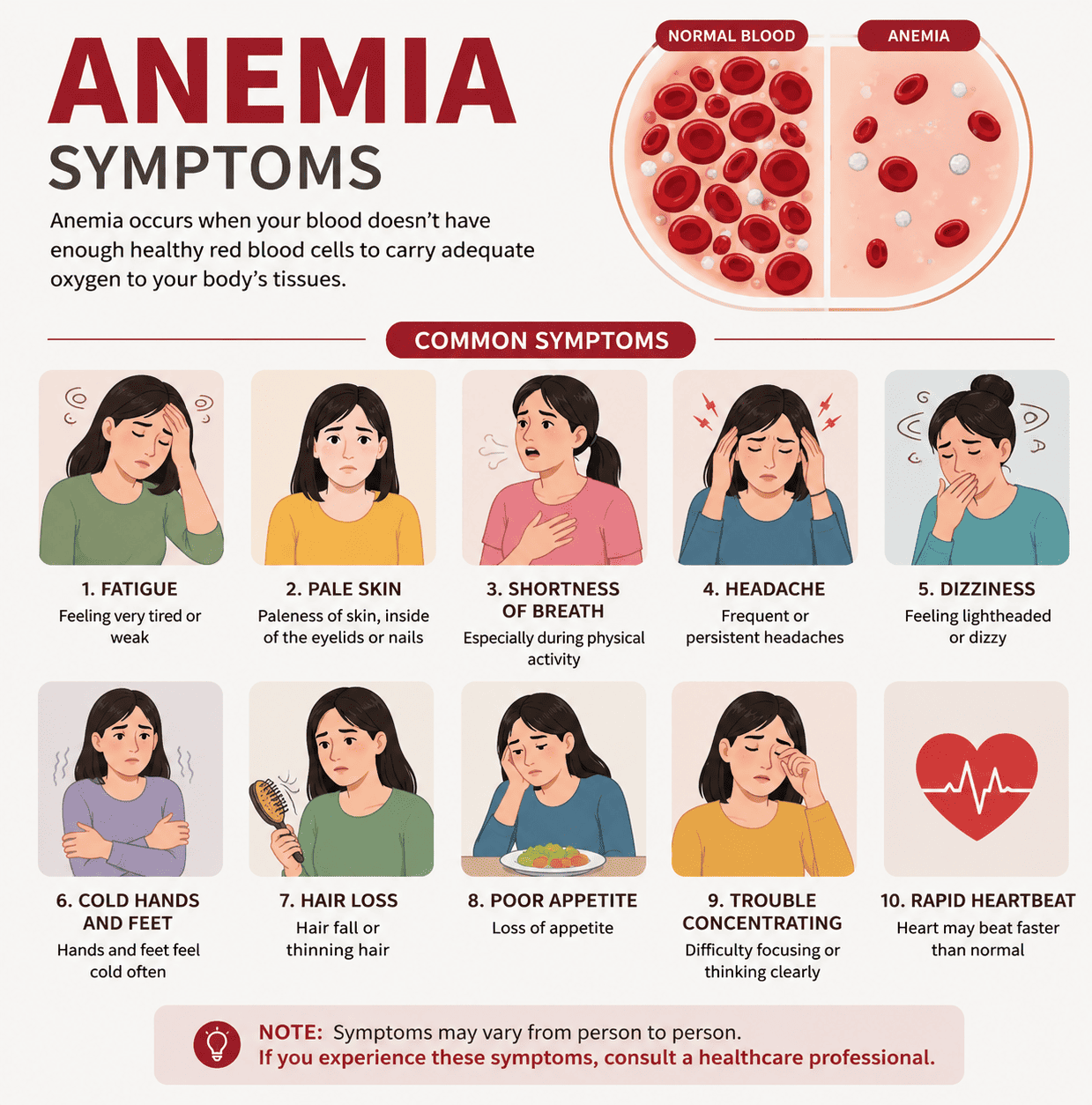
Both lists overlap with stress, anaemia, depression, menopause and plain overwork. That overlap is exactly why a blood test matters more than a checklist.
Who is more likely to have a problem
Women are five to eight times more likely than men to develop thyroid disease. Risk also rises with age (especially after 60), in the year after giving birth, with a family history of thyroid disease, and in people who already have an autoimmune condition such as type 1 diabetes, coeliac disease, pernicious anaemia, rheumatoid arthritis or lupus.
Some medicines affect the thyroid directly. Amiodarone, a heart-rhythm drug, is about 37% iodine by weight and can push the gland either way. Lithium commonly causes an underactive thyroid. Previous radiation to the head, neck or upper chest is another known cause.
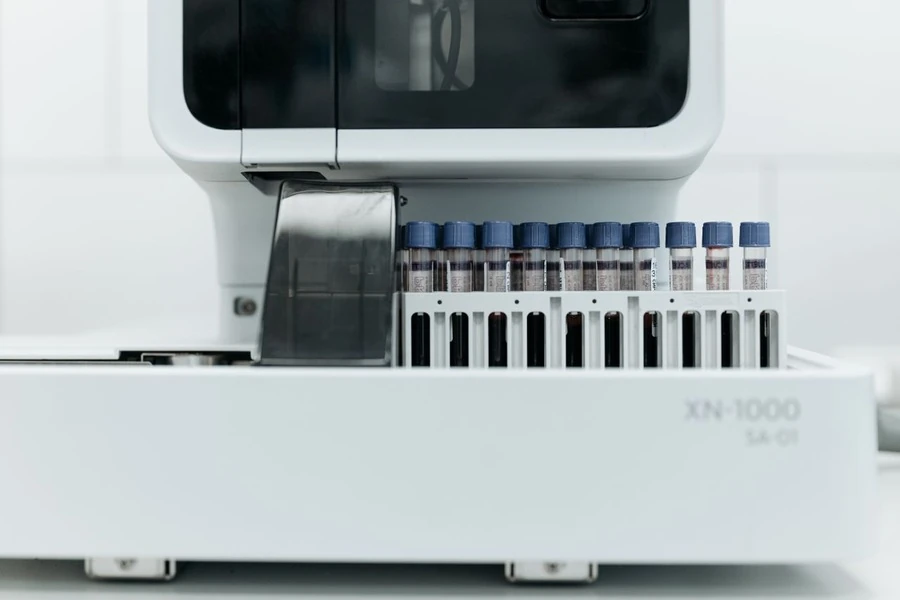
TSH is usually the first test, with free T4 checked alongside it. Photo: Pavel Danilyuk / Pexels
How it is diagnosed
The first test is usually TSH. A high TSH means the pituitary is shouting at a slow gland; a low TSH usually means there is too much thyroid hormone around. Free T4 is checked alongside, and TPO antibodies show whether Hashimoto's is the cause. Reference ranges differ a little between labs, so read your result against the range printed on your own report.
One practical warning: biotin, found in many "hair, skin and nails" products and some multivitamins, interferes with several of the lab methods used for thyroid tests. It can make results look like an overactive thyroid when the gland is normal. Tell whoever orders the test if you take it; many labs suggest stopping biotin for at least two days beforehand.
What treatment looks like
An underactive thyroid is treated with levothyroxine, a daily tablet, and getting the most out of it is mostly about timing:
- Take it with water on an empty stomach, 30 to 60 minutes before breakfast, or at bedtime at least three hours after your last meal. Pick one and stay with it.
- Keep calcium, iron, antacids and multivitamins with minerals at least four hours away from it. They bind the hormone in the gut.
- After any dose change, TSH is rechecked in about six to eight weeks. That is how long the level takes to settle.
- If the pharmacy switches your brand, mention it at your next check. Small differences between products can shift the result.
An overactive thyroid is treated with antithyroid tablets (carbimazole or methimazole, sometimes propylthiouracil), radioactive iodine, or surgery. A beta-blocker such as propranolol is often added for the first weeks to calm the racing heart and tremor while the main treatment takes effect.
Why "natural" thyroid products are risky
Products sold as glandular or "desiccated thyroid" supplements are made from animal thyroid tissue. Prescription desiccated thyroid exists and is standardised so each tablet holds a known amount of hormone. A supplement is not held to that standard, so you cannot know the dose. Too much thyroid hormone over months raises the risk of atrial fibrillation and bone loss, and it scrambles the very blood tests a doctor would use to work out what is wrong.
Iodine and kelp products carry their own risk. People with Hashimoto's or nodules can be tipped into either an underactive or overactive state by large iodine doses. Ashwagandha, a common ingredient in these blends, has case reports of triggering an overactive thyroid.
If you recognise yourself in the symptoms above, the useful next step is a TSH test, not a capsule. It is cheap, widely available, and it gives you a number to act on.
Sources
- thyroid.org. https://www.thyroid.org/wp-content/uploads/publications/clinthy/volume25/issue8/clinthy_v258_166_167.pdf
- NHS, "Underactive thyroid (hypothyroidism)". https://www.nhs.uk/conditions/underactive-thyroid-hypothyroidism/
- NHS, "Overactive thyroid (hyperthyroidism)". https://www.nhs.uk/conditions/overactive-thyroid-hyperthyroidism/


Comments (0)
Leave a Reply
Comments are moderated. Please read our Comment Policy before posting.
Log in to post a comment.