

 Jun 19, 2025
 4 min read
Blocked Arteries: Warning Signs, Risk Numbers and What Actually Helps

Plaque in an artery rarely announces itself. It builds for decades, a mix of cholesterol, inflammatory cells and calcium laid down in the artery wall, and many people learn they have it on the day a piece of it ruptures. A clot forms on the break, the artery closes, and the tissue downstream starts to die. In the heart that is a heart attack. In the brain it is a stroke.
So this article starts with the part that saves lives: recognising the emergency.
Signs of a heart attack
The classic symptom is pressure, tightness or squeezing in the centre of the chest lasting more than a few minutes, or coming and going. It may spread to one or both arms, the jaw, the neck or the back. Breathlessness, cold sweat, nausea and light-headedness often come with it.
Women, older people and people with diabetes are more likely to have a quieter version: unusual exhaustion, breathlessness, indigestion-like discomfort or back pain, with little or no chest pain. That is one reason heart attacks in these groups are diagnosed later.
Call your emergency number straight away rather than driving yourself. If you are not allergic to aspirin and the operator advises it, chewing one regular-strength tablet (300 to 325 mg) while you wait helps slow the clot.
Signs of a stroke
Use the FAST check. Face: has one side drooped? Arms: can they lift both arms and keep them there? Speech: is it slurred or confused? Time: if any of these are present, call for an ambulance and note when the symptoms started. Clot-dissolving treatment only works within a few hours, so the start time matters. Do not give aspirin for a suspected stroke, because some strokes are caused by bleeding.
The slower warning: leg pain when walking
Blocked arteries in the legs (peripheral artery disease) often show up as cramping pain in the calf that comes on after a set distance of walking and eases within minutes of rest. It is worth reporting. People with it usually have narrowing in their heart and neck arteries too.
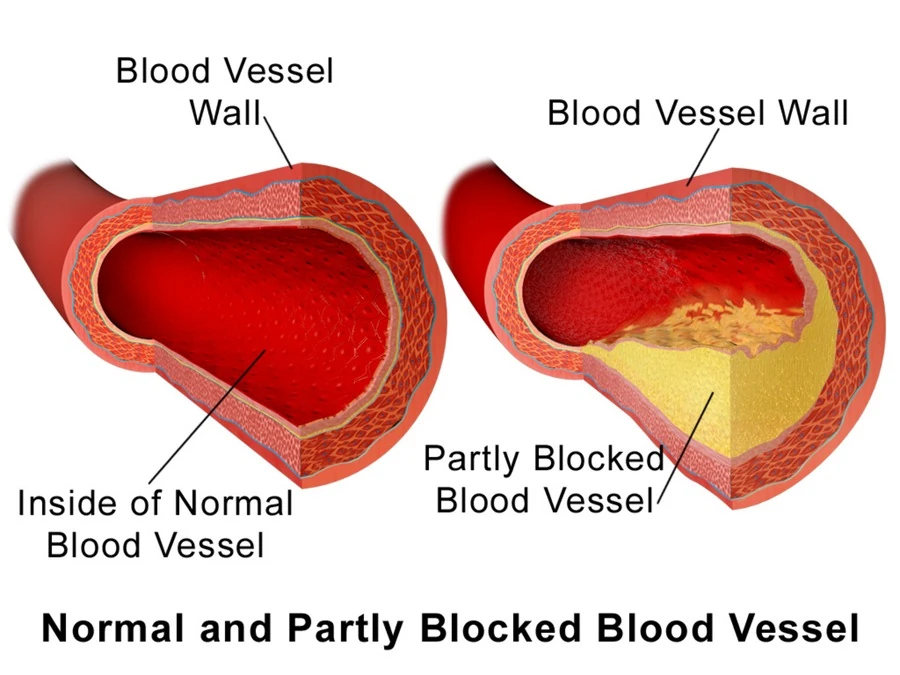
LDL cholesterol, blood pressure, smoking and diabetes are the big risk factors. Image: Blausen Medical / Wikimedia Commons, CC BY 3.0
The numbers that predict trouble
The big risk factors are well established: high LDL cholesterol, high blood pressure, smoking, diabetes, being older, and a close relative with heart disease at a young age (before 55 in a man, before 65 in a woman). Many health services offer a free check that combines these into a ten-year risk score. Knowing your score tells you how hard to push on the rest.
Of those factors, LDL cholesterol is the one with the clearest evidence for lowering it. A large analysis of statin trials found that each 1 mmol/L (about 39 mg/dL) fall in LDL cut major heart attacks and strokes by about a fifth, and the benefit grew the longer people stayed on treatment. Stopping smoking roughly halves the excess heart risk within a year or so.
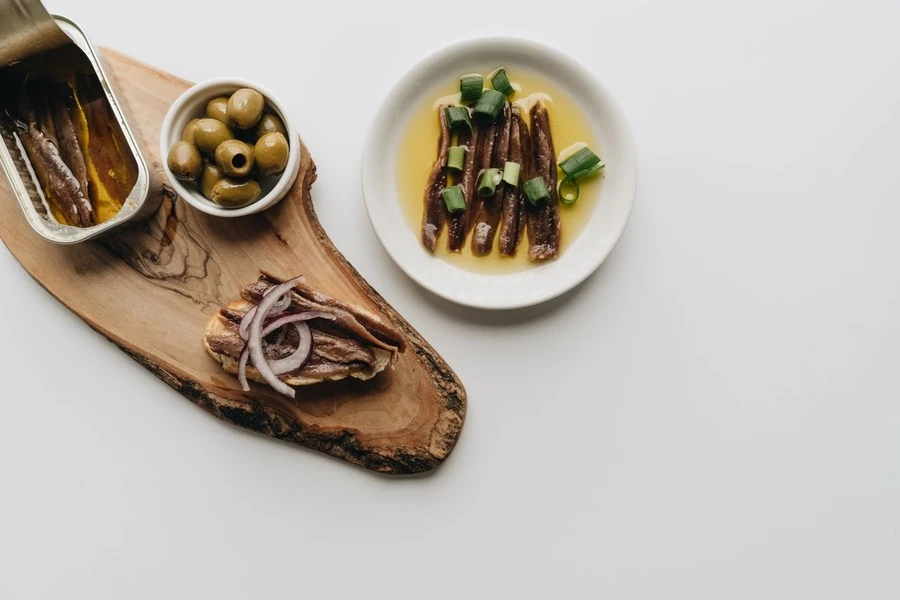
Swapping butter and fried snacks for olive oil, nuts, fish and beans lowers LDL. Photo: alleksana / Pexels
What works, and what doesn't
Food helps in measurable ways. Swapping butter, fatty meat and fried snacks for olive oil, nuts, oily fish, beans and whole grains lowers LDL. Soluble fibre from oats and barley lowers it a little further. Regular movement, a healthy weight and controlled blood pressure all reduce risk, as covered in our guide to lowering blood pressure without medication.
Supplements are a weaker story:
- "Artery cleanse" products have no evidence that they remove existing plaque. Nothing sold over the counter does.
- Red yeast rice does lower cholesterol, because it naturally contains monacolin K, which is chemically the same as the prescription statin lovastatin. The dose varies from bottle to bottle, some products have contained a kidney toxin called citrinin, and it shares a statin's side effects. A prescribed statin is the safer version of the same idea.
- Fish oil capsules did not prevent heart attacks in healthy adults in the large VITAL trial. A high-dose prescription form helps a specific group with high triglycerides, which is a different product and a different decision.
If you take blood thinners, check with your pharmacist before adding any supplement. Fish oil, garlic, ginkgo and turmeric can all increase bleeding risk alongside them.
The honest summary is unglamorous. Know the warning signs, know your numbers, and if your risk is high, take the medicines that have been shown to work.
Sources
- NHS, "Atherosclerosis". https://www.nhs.uk/conditions/atherosclerosis/
- World Health Organization, "Cardiovascular diseases (CVDs)". https://www.who.int/news-room/fact-sheets/detail/cardiovascular-diseases-(cvds)
- Cholesterol Treatment Trialists' (CTT) Collaboration, "Efficacy and safety of more intensive lowering of LDL cholesterol: a meta-analysis of data from 170 000 participants in 26 randomised trials", The Lancet 376 (2010): 1670-1681. https://doi.org/10.1016/S0140-6736(10)61350-5


Comments (0)
Leave a Reply
Comments are moderated. Please read our Comment Policy before posting.
Log in to post a comment.