

 Jan 31, 2025
 6 min read
Preventing a Heart Attack: The Risk Factors That Matter Most, and the Medicines That Help

The largest study of heart attack risk ever carried out, INTERHEART, compared about 15,000 people who had just had a first heart attack with a similar number who hadn't, across 52 countries. Nine factors that can be measured or changed accounted for more than 90% of the risk in men and 94% in women. The same nine came up in every region, from Europe to South Asia to Africa. There are no real secrets in heart attack prevention, only a short list of things that matter a lot.
The nine factors
INTERHEART ranked them by how strongly each was linked to heart attack:
- Abnormal blood fats. The strongest single factor: people in the highest fifth had over three times the risk of those in the lowest.
- Smoking. Current smokers had nearly three times the risk. Even a few cigarettes a day raised it noticeably.
- Psychological stress and depression. These raised risk more than most people expect, by about two and a half times when combined.
- Diabetes. More than double the risk.
- High blood pressure. Almost double.
- Fat around the waist. More predictive than BMI. Waist size matters more than weight.
- Low fruit and vegetable intake and lack of regular exercise made up most of the rest. Eating fruit and vegetables daily was linked to about 30% lower risk.
Two practical points follow. First, most of these can't be felt, so the only way to know where you stand is to have blood pressure, cholesterol and blood sugar checked, ideally from your forties or earlier if heart disease runs in your family. Second, the factors multiply each other. A smoker with high blood pressure and diabetes is at far greater risk than the three separate risks added together.

Nicotine replacement, varenicline and stop-smoking services double or triple the chance of quitting. Photo: Basil MK / Pexels
Stopping smoking pays off fastest
Within a year of stopping, the extra risk of heart attack is roughly halved, and it keeps falling after that. Nicotine replacement (patches plus a fast-acting form such as gum), varenicline and stop-smoking services roughly double or triple the chance of quitting compared with willpower alone. Pharmacies in many countries can supply nicotine replacement and advice.
Movement: you don't need 10,000 steps
The 10,000-step target began as a marketing slogan for a Japanese pedometer, not a scientific finding. A 2022 analysis of 15 studies found that the risk of death fell steadily as daily steps rose, then levelled off. The levelling-off point was about 6,000 to 8,000 steps for people over 60 and 8,000 to 10,000 for younger adults. The general target is 150 minutes a week of brisk activity, about 20 minutes a day.
Food
A Mediterranean-style diet has the strongest trial evidence: vegetables, pulses, fruit, whole grains, fish, nuts and olive oil, with little processed meat or sugar. In the PREDIMED trial, it cut heart attacks, strokes and cardiovascular deaths by about 30%. Our guide to foods that lower cholesterol gives the details.
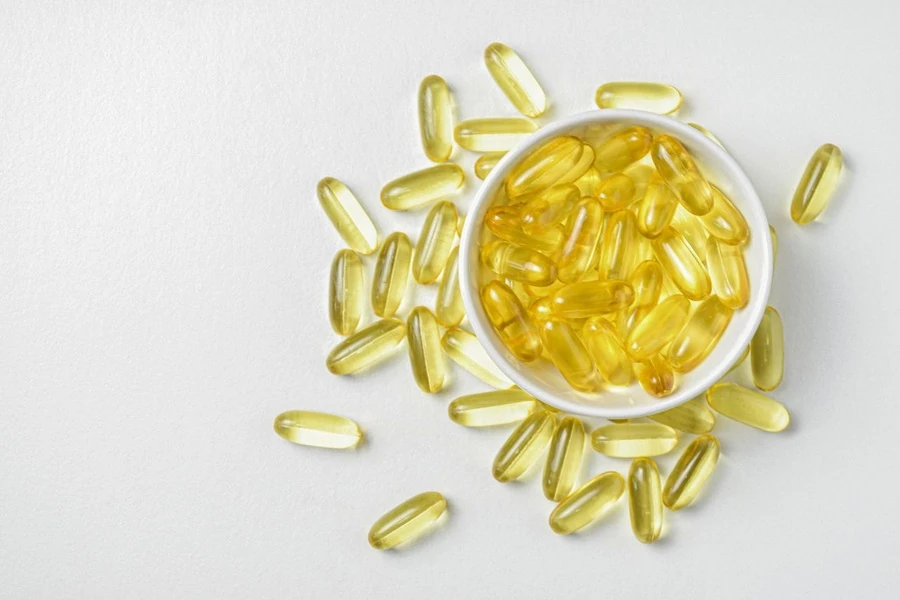
In the VITAL trial of nearly 26,000 adults, vitamin D did not reduce heart attacks or strokes. Photo: Aknarin Thika / Pexels
What about vitamin D and fish oil?
Low vitamin D is common, and it is linked with heart disease in observational studies. When the idea was tested properly in the VITAL trial, with nearly 26,000 adults given vitamin D or a placebo for about five years, vitamin D did not reduce heart attacks, strokes or cardiovascular deaths. Standard-dose fish oil capsules, tested in the same trial, did not reduce major cardiovascular events either. Correct a real deficiency, but don't rely on these supplements to protect your heart.
Medicines that prevent heart attacks
Statins lower LDL ("bad") cholesterol. Across trials involving 170,000 people, each 1 mmol/L fall in LDL cut major vascular events by about a fifth (CTT analysis). They are recommended for people who have had a heart attack or stroke, and for many others whose overall risk is high. Muscle aches are often blamed on statins. In blinded trials most of those aches happened just as often on placebo, so a different dose or statin usually works.
Blood pressure medicines reduce heart attack and stroke risk in proportion to how much they lower pressure.
Aspirin is where advice has changed most. For anyone who has already had a heart attack, stent or stroke, low-dose aspirin (or a similar drug) is clearly beneficial, and it should not be stopped without talking to the doctor. For people without heart disease, large trials published in 2018 found that the bleeding risk largely cancels out the benefit. Most guidelines no longer recommend daily aspirin for prevention in healthy people. Don't start it on your own.
Stress, sleep and loneliness
Long-term stress, depression, poor sleep and social isolation all raise risk. A 2016 review found that loneliness and social isolation were linked to about a 29% higher risk of coronary heart disease. These are harder to change than a medicine dose, but they count. Treating depression properly is part of looking after the heart.
If it happens
Chest pain or pressure lasting more than a few minutes, especially with breathlessness, sweating, nausea or pain spreading to the arm, jaw or back, needs an ambulance straight away. Don't drive yourself. While waiting, the NHS advises chewing one 300 mg aspirin tablet, unless you are allergic to it or have been told not to take it. Women, older people and people with diabetes more often have less typical symptoms, such as breathlessness, unusual tiredness or indigestion-like discomfort. The NHS heart attack page lists the signs.
A one-minute video on heart-healthy foods is also available: 5 foods linked to better heart health.
Sources
- Yusuf S, Hawken S, Ôunpuu S, Dans T et al., "Effect of potentially modifiable risk factors associated with myocardial infarction in 52 countries (the INTERHEART study): case-control study", The Lancet 364 (2004): 937-952. https://doi.org/10.1016/S0140-6736(04)17018-9
- Paluch A, Bajpai S, Bassett D, Carnethon M et al., "Daily steps and all-cause mortality: a meta-analysis of 15 international cohorts", The Lancet Public Health 7 (2022): e219-e228. https://doi.org/10.1016/S2468-2667(21)00302-9
- Manson J, Cook N, Lee I, Christen W et al., "Vitamin D Supplements and Prevention of Cancer and Cardiovascular Disease", New England Journal of Medicine 380 (2019): 33-44. https://doi.org/10.1056/NEJMoa1809944
- Cholesterol Treatment Trialists' (CTT) Collaboration, "Efficacy and safety of more intensive lowering of LDL cholesterol: a meta-analysis of data from 170 000 participants in 26 randomised trials", The Lancet 376 (2010): 1670-1681. https://doi.org/10.1016/S0140-6736(10)61350-5
- Valtorta N, Kanaan M, Gilbody S, Ronzi S et al., "Loneliness and social isolation as risk factors for coronary heart disease and stroke: systematic review and meta-analysis of longitudinal observational studies", Heart 102 (2016): 1009-1016. https://doi.org/10.1136/heartjnl-2015-308790
- NHS, "Heart attack". https://www.nhs.uk/conditions/heart-attack/


Comments (0)
Leave a Reply
Comments are moderated. Please read our Comment Policy before posting.
Log in to post a comment.