

 Jun 07, 2025
 4 min read
Lowering Chronic Inflammation: What Measurably Works

Low-grade inflammation can be measured. The usual marker is high-sensitivity C-reactive protein (hs-CRP), a protein the liver makes in response to inflammatory signals. For heart risk, a level below 1 mg/L is considered low, 1 to 3 average and above 3 high. Because it can be measured, we know fairly well which "anti-inflammatory" habits actually move it and which only sound as though they should.
This article is about the chronic, low-level inflammation linked to heart disease, diabetes and joint pain. For the difference between acute and chronic inflammation, see Inflammation in the Body. For the foods most often blamed, see Foods That Can Trigger Inflammation.
Losing weight: the biggest effect
Fat tissue around the organs releases inflammatory signals such as IL-6. That is why CRP tracks waist size so closely. A 2007 analysis of 33 studies found that CRP fell by about 0.13 mg/L for every kilogram lost, whether the weight came off through diet, exercise, medicines or surgery. For someone with a CRP of 4, losing 10 kg could bring it into the average range.
Exercise
Each workout causes a brief rise in inflammatory signals, followed by a longer-lasting anti-inflammatory response. Regular exercise lowers resting CRP over months, partly through weight loss and partly independently of it. Both aerobic exercise and strength training help. Even people who don't lose weight see better insulin sensitivity and lower inflammation markers.
Stopping smoking, sleeping enough, treating gum disease
Smoking raises CRP and other markers, and they fall after quitting. Short sleep raises them too: experiments that limit healthy volunteers to four to six hours a night show rises within days. Chronic gum disease (periodontitis) is an often-overlooked source of whole-body inflammation, and treating it lowers CRP. Bleeding gums when brushing are worth a dental visit.
Eating pattern, not single foods
Mediterranean-style eating lowers inflammatory markers in trials: vegetables, fruit, pulses, whole grains, nuts, olive oil and fish, with little processed meat and few sugary drinks. The effect comes from the overall pattern and from the weight change that often follows. No single food has a large effect on its own.
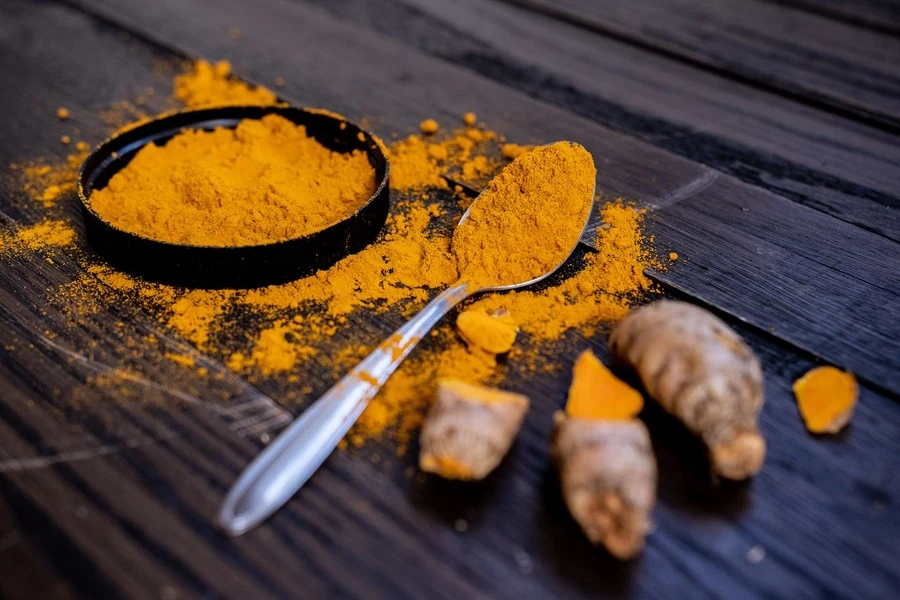
Very little curcumin is absorbed, and the pepper extract added to help also boosts some medicines. Photo: Karl Solano / Pexels
Supplements: what the trials show
Turmeric (curcumin). Curcumin reduces inflammation in lab studies, but very little is absorbed. Products add black pepper extract (piperine) to boost absorption, but piperine also increases absorption of some medicines. In small trials, curcumin eased knee osteoarthritis pain about as well as an anti-inflammatory painkiller, which is promising but needs larger studies. High-dose turmeric supplements have been linked to cases of liver injury. They may also add to the effect of blood thinners. Turmeric in cooking is safe. Supplements need more care.
Fish oil. High doses (around 3 g of EPA and DHA a day) modestly reduce joint pain and morning stiffness in rheumatoid arthritis, and can lower the need for painkillers. Lower doses taken for general health have little effect on inflammation markers.
Vitamin D. In a follow-up of the VITAL trial, people given 2,000 IU of vitamin D daily for about five years developed autoimmune diseases, including rheumatoid arthritis and psoriasis, 22% less often than those on placebo. That is one of the more striking supplement results of recent years, though it needs confirmation.
Ginger has small trials showing modest effects on osteoarthritis pain, with mild stomach upset as the main side effect.
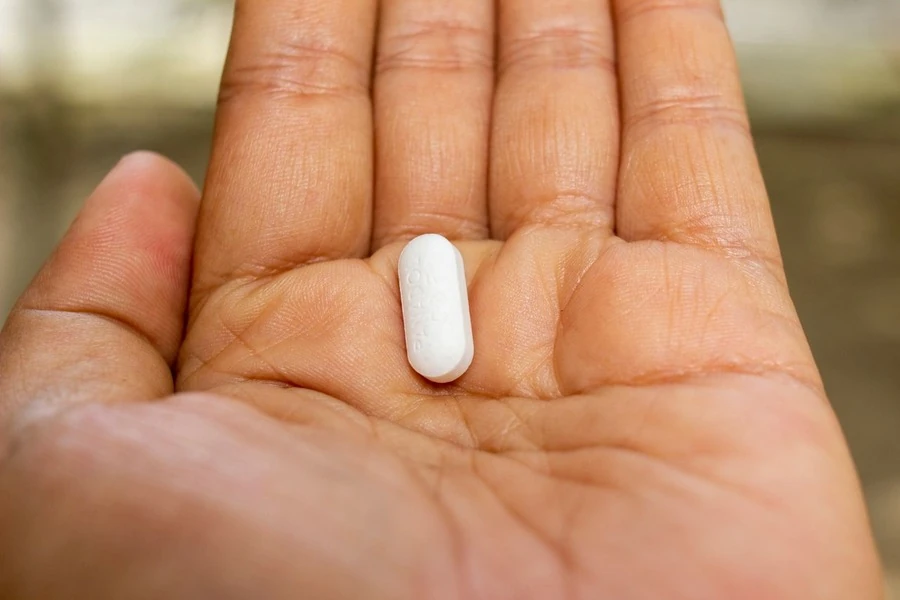
In the LoDoCo2 trial, low-dose colchicine cut cardiovascular events by about 31%. Photo: Ahsanjaya / Pexels
Proof that inflammation matters for the heart
For years, the link between inflammation and heart attacks was only an association. In the LoDoCo2 trial, a low daily dose of colchicine, an old anti-inflammatory gout medicine, cut cardiovascular events by about 31% in people with established heart disease. Colchicine is now an option for some heart patients. It interacts with several common medicines, including clarithromycin and some statins, so it is only used under medical supervision.
When inflammation is a disease
Lifestyle changes lower background inflammation, but they don't treat inflammatory diseases. Joint swelling, morning stiffness lasting more than half an hour, persistent rashes, mouth ulcers, or bloody diarrhoea can signal conditions such as rheumatoid arthritis, lupus or inflammatory bowel disease. These need diagnosis and medical treatment, ideally early. In rheumatoid arthritis, starting treatment within the first few months can prevent permanent joint damage. Natural approaches are useful alongside that treatment, not instead of it.
A raised CRP on its own is not something to treat with painkillers. Taking ibuprofen or similar drugs regularly to "reduce inflammation" without a diagnosis carries real risks to the stomach, kidneys and heart.
Sources
- Selvin E, "The Effect of Weight Loss on C-Reactive Protein", Archives of Internal Medicine 167 (2007): 31. https://doi.org/10.1001/archinte.167.1.31
- Hahn J, Cook N, Alexander E, Friedman S et al., "Vitamin D and marine omega 3 fatty acid supplementation and incident autoimmune disease: VITAL randomized controlled trial", BMJ 376 (2022): e066452. https://doi.org/10.1136/bmj-2021-066452
- Nidorf S, Fiolet A, Mosterd A, Eikelboom J et al., "Colchicine in Patients with Chronic Coronary Disease", New England Journal of Medicine 383 (2020): 1838-1847. https://doi.org/10.1056/NEJMoa2021372




Comments (0)
Leave a Reply
Comments are moderated. Please read our Comment Policy before posting.
Log in to post a comment.