

 Jun 25, 2025
 4 min read
Lowering Blood Pressure Without Medication: What Works and by How Much

Most advice about lowering blood pressure "naturally" stops at "eat well and exercise". That's true but not very useful, because it doesn't tell you which changes are worth the effort. The 2017 American blood pressure guideline did something better: it put a rough number on each one (ACC/AHA guideline). The figures below are typical drops in the top (systolic) number for people who already have high blood pressure.
The changes, ranked by how much they help
The DASH eating pattern: about 11 mmHg. DASH means plenty of vegetables, fruit, beans, whole grains and low-fat dairy, with less red meat, sugar and saturated fat. In trials it worked within two weeks, which makes it the single biggest dietary lever.
Regular aerobic exercise: about 5 to 8 mmHg. The target is 90 to 150 minutes a week of brisk walking, cycling or swimming. Resistance training adds a few points on top, and isometric exercises such as hand-grip work also show a drop of around 5 mmHg.
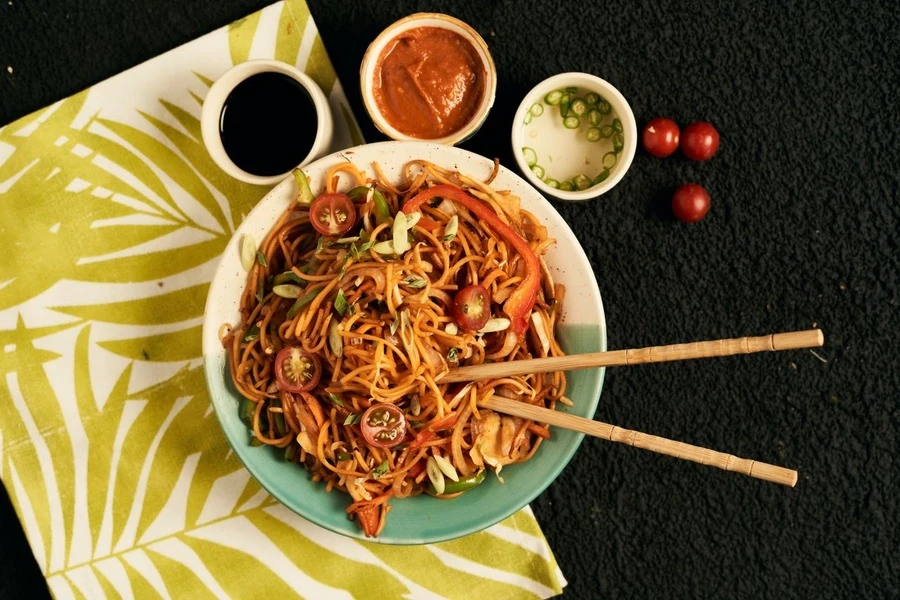
About three quarters of the salt most people eat is already in bread, sauces and processed food. Photo: dhiraj jain / Pexels
Cutting salt: about 5 to 6 mmHg. The guideline's ideal is under 1,500 mg of sodium a day, but even a 1,000 mg cut helps. Around three quarters of the salt most people eat is already in bread, processed meat, sauces, instant noodles and restaurant food, so reading labels matters more than the salt shaker.
More potassium from food: about 4 to 5 mmHg. Bananas, potatoes, beans, lentils, spinach, tomatoes and yoghurt are good sources. The words "from food" matter here, as explained further down.
Drinking less alcohol: about 4 mmHg. The guideline suggests no more than two drinks a day for men and one for women, and less is better.
Losing weight: roughly 1 mmHg per kilogram. Losing 5 kg can mean a 5-point drop, and the effects of all these changes add up. Someone who loses weight, follows DASH and walks most days can see a fall similar to a first blood pressure tablet.
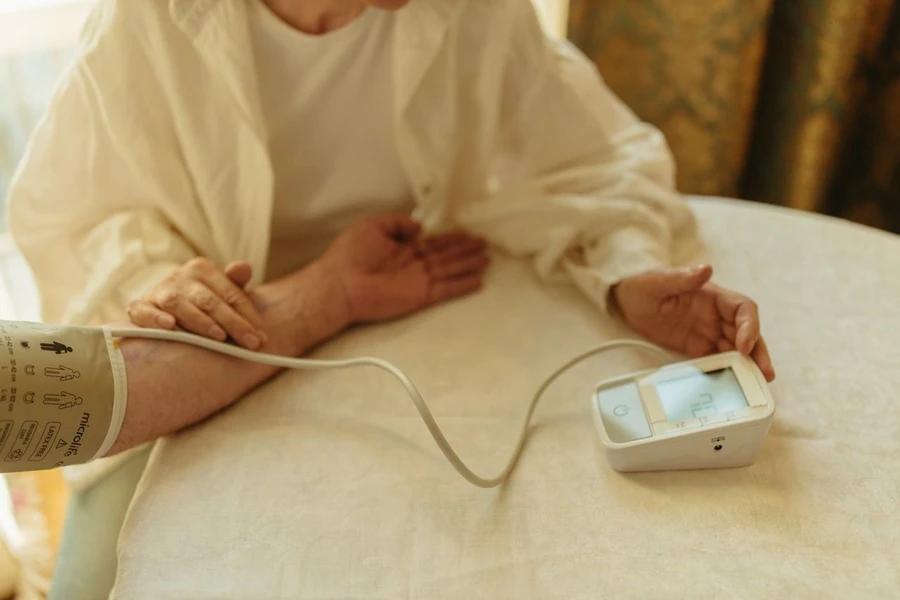
Sit supported with your arm at heart level for a home reading you can trust. Photo: Yaroslav Shuraev / Pexels
Measuring it properly at home
A single clinic reading can be misleading in either direction, so a home monitor with an upper-arm cuff is worth having. To get readings you can trust:
- Sit with your back supported and feet flat for five minutes first. Rest your arm on a table so the cuff is level with your heart.
- Avoid caffeine, smoking and exercise for 30 minutes before.
- Take two readings a minute apart, morning and evening, for a week. Write them down and take the average to your next appointment.
What about supplements?
A few have some evidence behind them. Beetroot juice, which is rich in nitrate, lowered systolic pressure by a few points in short trials. Garlic extract has shown modest drops in some analyses. Grape seed extract, which is heavily marketed in "heart chews", has mixed results. None of them comes close to the lifestyle changes above, and none replaces a prescribed tablet.
Some products carry real risks:
- Potassium supplements and potassium-based salt substitutes can push blood potassium to dangerous levels in people with kidney disease, or in people taking ACE inhibitors (such as ramipril or lisinopril), ARBs (such as losartan) or spironolactone. Food potassium is fine for most people; pills are a different matter.
- Liquorice, including some herbal teas, raises blood pressure if taken regularly.
- Decongestants such as pseudoephedrine and phenylephrine, and painkillers such as ibuprofen and naproxen, can raise blood pressure and blunt the effect of your tablets. Ask the pharmacist for an alternative when you buy cold or pain remedies.
When lifestyle alone isn't enough
If your home average stays at 130/80 or above after three to six months of real changes, or it is 140/90 or higher to begin with, that is the point to discuss medication. Starting a tablet doesn't mean the effort was wasted. Every change above still works alongside it, and some people later manage on a lower dose.
Get urgent help for a reading of 180/120 or higher together with chest pain, breathlessness, a severe headache, confusion, or weakness on one side of the body.
Sources
- Whelton P, Carey R, Aronow W, Casey D et al., "2017 ACC/AHA/AAPA/ABC/ACPM/AGS/APhA/ASH/ASPC/NMA/PCNA Guideline for the Prevention, Detection, Evaluation, and Management of High Blood Pressure in Adults: A Report of the American College of Cardiology/American Heart Association Task Force on Clinical Practice Guidelines", Hypertension 71 (2018). https://www.ahajournals.org/doi/10.1161/HYP.0000000000000065
- World Health Organization, "Hypertension". https://www.who.int/news-room/fact-sheets/detail/hypertension
- NHS, "High blood pressure". https://www.nhs.uk/conditions/high-blood-pressure-hypertension/



Comments (0)
Leave a Reply
Comments are moderated. Please read our Comment Policy before posting.
Log in to post a comment.