

 Dec 22, 2025
 5 min read
Mucus in the Lungs vs Clear Lungs
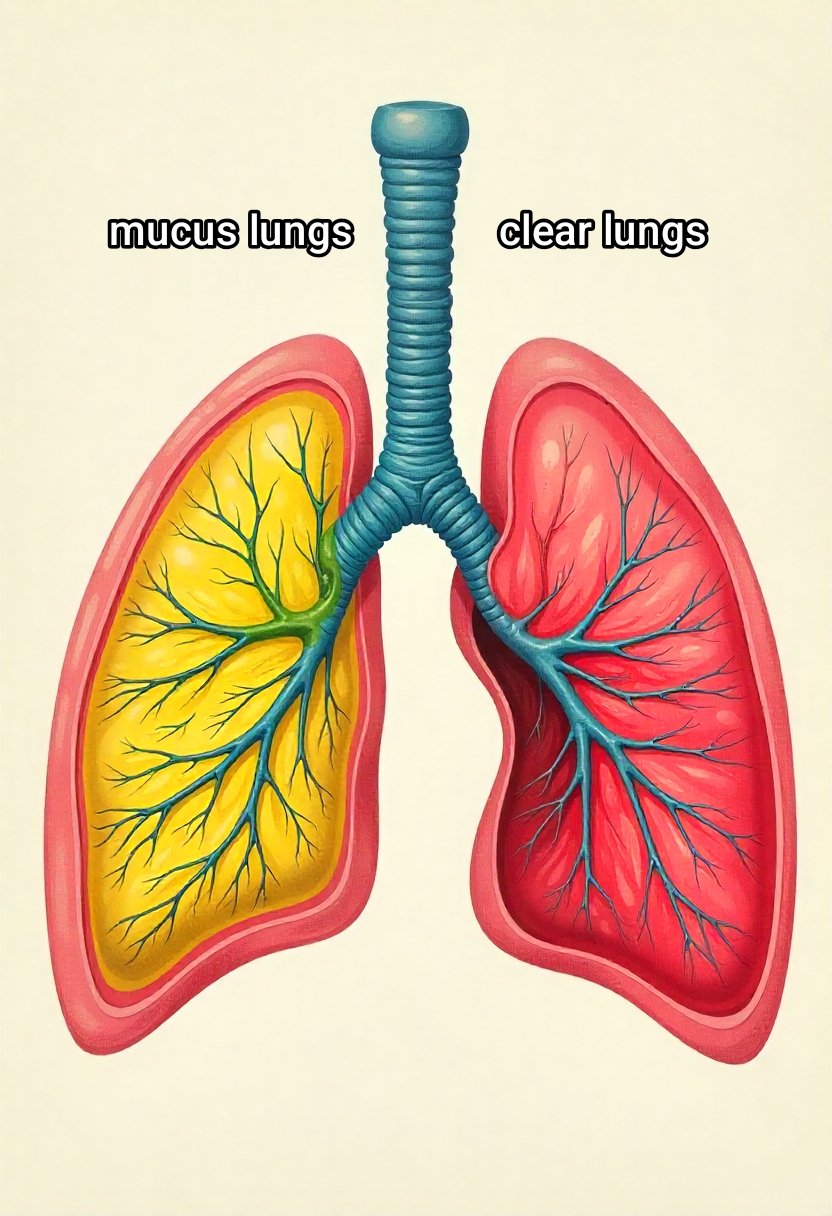
Understanding the Difference between mucus lungs and clear lungs
Our lungs, two spongy, cone-shaped organs nestled in our chest, are vital for life. They are responsible for the incredible feat of respiration – taking in oxygen and expelling carbon dioxide. A healthy respiratory system depends on clear lungs, while excess mucus in the lungs can lead to breathing problems and infections. Understanding the difference between mucus-filled lungs and clear lungs helps us take better care of our respiratory health.
Mucus in Healthy Lungs 🫁
Before talking about the problems caused by too much mucus, it’s important to know what mucus normally does. Mucus (also called phlegm) is a sticky, slippery fluid made by the lining of the airways, from the nose and throat down to the lungs. It is not useless or dirty. In fact, mucus helps protect the lungs by trapping dust, germs, and other harmful particles so they don’t enter deep into the lungs.
Lungs Defence:
Containing antibodies and enzymes that help to neutralise pathogens.
The respiratory tract is lined with tiny, hair-like structures called cilia. These cilia constantly beat in a coordinated wave, moving the mucus (and all the trapped debris) upwards and out of the lungs towards the throat, where it can be swallowed or expelled. This self-cleaning mechanism is known as the mucociliary escalator, and it's essential for maintaining clear lungs.
The Challenge of "Mucus Lungs"
"Mucus lungs" isn't a formal medical diagnosis but rather a descriptive term for a condition where there is an excessive build-up of mucus in the airways, making breathing difficult and often leading to other symptoms. This overproduction or impaired clearance of mucus can stem from various underlying causes.

Common causes of excessive mucus production or impaired clearance include:
1- Infections: Viral infections (like the common cold or flu) and bacterial infections (like bronchitis or pneumonia) trigger an inflammatory response that increases mucus production to trap and expel pathogens.
2- Allergies: Exposure to allergens (pollen, dust mites, pet dander) can cause an allergic reaction, leading to inflammation and increased mucus.
3- Asthma: A chronic inflammatory disease of the airways, asthma can cause bronchial tubes to narrow and produce excess, thick mucus, leading to coughing, wheezing, and shortness of breath.
4- Chronic Obstructive Pulmonary Disease (COPD): This umbrella term includes conditions like chronic bronchitis and emphysema. Chronic bronchitis is characterised by persistent inflammation of the bronchial tubes, leading to daily cough and mucus production.
5- Cystic Fibrosis (CF): A genetic disorder that causes the body to produce abnormally thick, sticky mucus that clogs the airways and makes them prone to infection.
6- Environmental Irritants: Exposure to smoke (cigarette smoke, secondhand smoke), air pollution, or chemical fumes can irritate the airways and stimulate mucus production.
7- Gastro-oesophageal Reflux Disease (GERD): Stomach acid can sometimes reflux into the oesophagus and even irritate the airways, leading to increased mucus.
Symptoms of "mucus lungs" often include:
1- Persistent coughing: The body's attempt to clear the excess mucus.
2- Wheezing: A whistling sound during breathing, indicating narrowed airways.
3- Shortness of breath: Difficulty getting enough air.
4- Chest tightness or congestion: A feeling of pressure or fullness in the chest.
5- Clearing the throat again and again: The body tries to push out stuck mucus.
6- Repeated chest or throat infections: Thick mucus makes it easier for germs to grow and spread.

Clear Lungs
"Clear lungs" means healthy lungs. In this state, mucus is made in the right amount and stays thin and light, so it moves easily. Tiny hairs in the airways can push it out without trouble. The breathing tubes remain open and clean, allowing air to flow in and out smoothly and easily.
Characteristics of clear lungs include:
Normal mucus production: A healthy amount of thin, easily mobile mucus.
Effective mucociliary escalator: Cilia efficiently clears mucus and trapped particles.
Unobstructed airways: Bronchial tubes are open, allowing for optimal airflow.
Absence of inflammation: healthy lung tissue without irritation or swelling.
Efficient gas exchange: Oxygen easily passes into the bloodstream, and carbon dioxide is effectively removed.
Achieving and Maintaining Clear Lungs:
Some illnesses, such as cystic fibrosis, need long-term and special medical care. However, for many people, lung health can be improved and supported through healthy daily habits and proper medical treatment.
Strategies for promoting clear lungs and managing excess mucus include:
1- Hydration: Drinking plenty of water helps thin mucus, making it easier to clear.
2- Humidification: Using a humidifier, especially in dry environments, can moisten airways and loosen mucus.
3- Avoid Irritants: Quitting smoking, avoiding secondhand smoke, and minimising exposure to air pollution and chemical fumes are crucial.
4- Physical Activity: Regular exercise can help improve lung function and aid in mucus clearance.
5- Chest Physiotherapy: Techniques like percussion and postural drainage can help dislodge and move mucus in individuals with conditions like CF or severe COPD.
6- Mucolytics: Medications that thin mucus, making it easier to cough up.
7- Bronchodilators: Medications that relax and open the airways, improving airflow.
8- Corticosteroids: Anti-inflammatory medications that can reduce swelling in the airways.
9- Treating Underlying Conditions: Managing allergies, asthma, COPD, or GERD effectively is key to controlling mucus production.
10- Vaccinations: Getting vaccinated against the flu and pneumonia can prevent infections that lead to increased mucus.
11- Saline Nasal Rinses: Can help clear mucus from the nasal passages and upper airways.
Mucus Lungs vs Clear Lungs (Quick Comparison)
Mucus Lungs Clear Lungs
Blocked airways. Open airways
Thick mucus buildup Minimal mucus
Frequent coughing Normal breathing
Higher infection risk Strong lung defence
Shortness of breath. Improved oxygen
intake
Conclusion:
Mucus plays a protective role, but excess mucus in the lungs can disrupt breathing and increase infection risk. Clear lungs, on the other hand, support strong immunity, better energy, and overall wellness. With healthy habits, hydration, and proper care, you can support clear lungs and improve respiratory health naturally.




Comments (0)
Leave a Reply
Log in to post a comment.