

 Feb 13, 2025
 4 min read
Lung Cancer: Causes, Symptoms, and Treatments
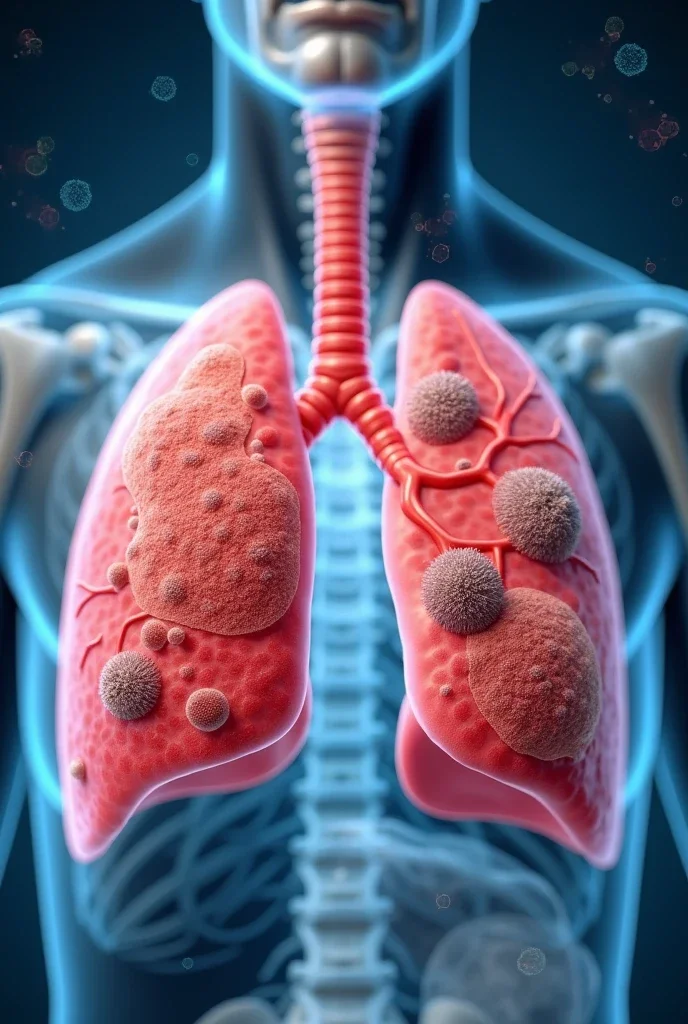
Lung cancer is the leading cause of cancer death worldwide — more than breast, prostate, and colon cancer combined — but it's also a cancer where the dominant risk factor is well understood and largely preventable, and where early detection meaningfully changes outcomes.
What causes it
Lung cancer develops from genetic mutations in lung cells, most often triggered by sustained exposure to specific environmental and lifestyle factors rather than appearing at random.
- Smoking — responsible for roughly 85% of cases, making it by far the leading cause. Tobacco smoke contains dozens of known carcinogens that directly damage lung tissue with repeated exposure over years.
- Secondhand smoke — non-smokers regularly exposed to others' cigarette smoke face measurably elevated risk themselves, not just an inconvenience but a real independent risk factor.
- Radon gas — a naturally occurring, odorless radioactive gas that can accumulate indoors, particularly in basements; it's the second-leading cause of lung cancer overall and the leading cause among non-smokers, which surprises most people given how little it's discussed compared to smoking.
- Occupational carcinogens — workplace exposure to asbestos, arsenic, diesel exhaust, and similar substances meaningfully raises risk, particularly with cumulative long-term exposure.
- Air pollution — long-term exposure to polluted air is an established, if smaller, contributing risk factor.
- Genetic factors — a family history of lung cancer can increase individual susceptibility, independent of the other risk factors above.
Recognizing the symptoms
One of the reasons lung cancer is often caught late is that early-stage disease frequently produces no symptoms at all — most of the symptoms below tend to appear once the cancer has grown or begun to spread, which is exactly why screening (discussed below) matters so much for people at elevated risk.
- A persistent cough that doesn't resolve and tends to worsen over time
- Coughing up blood (hemoptysis) — always warrants prompt medical evaluation, whatever the cause turns out to be
- Shortness of breath, including with activities that didn't previously cause it
- Chest pain, often worse with deep breathing, coughing, or laughing
- Unexplained weight loss
- Persistent fatigue and weakness
- Hoarseness that doesn't resolve
- Recurrent lung infections such as pneumonia or bronchitis that keep coming back
- Bone pain, which can indicate the cancer has spread beyond the lungs
None of these symptoms are exclusive to lung cancer — most have far more common, benign explanations — but a persistent or worsening version of any of them, especially in someone with significant risk factors, is worth a medical evaluation rather than waiting it out.
Treatment options
Treatment is tailored to the specific type — non-small cell lung cancer (NSCLC, the more common form) or small cell lung cancer (SCLC) — along with the stage at diagnosis and the patient's overall health.
- Surgery — removes the tumor directly when the cancer is still localized, often offering the best long-term outcomes when it's an option.
- Radiation therapy — uses targeted high-energy rays to destroy cancer cells, used alone or alongside other treatments.
- Chemotherapy — systemic drug treatment to kill or slow cancer growth, particularly important for more advanced or spread disease.
- Targeted therapy — drugs like EGFR inhibitors that specifically attack cancer cells carrying particular genetic mutations, offering a more precise approach when a tumor's genetic profile matches an available targeted drug.
- Immunotherapy — helps the patient's own immune system recognize and attack cancer cells, a treatment category that has meaningfully expanded options over the past decade.
- Palliative care — focused on symptom relief and quality of life, particularly valuable for advanced-stage disease alongside or instead of curative treatment.
Why early detection matters so much
Because symptoms often don't appear until the disease has progressed, screening is what catches lung cancer early in people who don't yet have symptoms. Low-dose CT screening is recommended for adults at high risk — generally those with a substantial smoking history — and has been shown to meaningfully improve outcomes precisely because it catches disease before symptoms force the issue, when treatment options are broader and more effective.
Frequently Asked Questions
Can non-smokers get lung cancer? Yes — radon exposure, secondhand smoke, occupational carcinogens, air pollution, and genetic factors can all cause lung cancer in people who have never smoked, though smoking remains by far the dominant risk factor overall.
How much does quitting smoking actually reduce risk? Substantially, and the benefit starts accumulating quickly — risk continues declining for years after quitting, though it generally doesn't fully return to a never-smoker's baseline, which is why quitting at any point is still worthwhile rather than something to defer.
Who should get screened? Screening guidelines generally target older adults with a significant cumulative smoking history (current or former); a doctor can assess individual eligibility based on age and smoking history specifics.



Comments (0)
Leave a Reply
Log in to post a comment.