

 Jan 22, 2026
 4 min read
Food and the Brain: What the Evidence Says About Fish, Greens, Coffee and the MIND Diet

The MIND diet was designed specifically to protect the ageing brain. It blends the Mediterranean diet with the DASH diet for blood pressure, emphasising leafy greens, berries, nuts, olive oil, beans, whole grains and fish. In observational studies, people who ate this way had slower memory decline. In 2023 it was finally tested in a randomised trial. For three years, 604 older adults followed either the MIND diet or their usual diet, and both groups had mild calorie restriction. Both groups' thinking skills improved slightly, and there was no significant difference between them (NEJM, 2023).
That doesn't mean food is irrelevant to the brain. It means no single food or diet has been shown to sharpen memory on its own, and the stronger evidence points somewhere slightly different.
What the evidence says about popular "brain foods"
Oily fish. The brain is rich in the omega-3 fat DHA. Eating fish once or twice a week is linked with slower cognitive decline in long-term studies. Fish oil capsules, however, have not improved memory in trials of healthy older people. If you like fish, eat it. Capsules are unlikely to make a difference.
Leafy greens. In one study of nearly 1,000 older adults, those who ate about a serving of spinach, kale or other leafy greens a day declined more slowly, by an amount equivalent to being 11 years younger (Neurology, 2018). That is an association, not proof, but greens are cheap and have no downside.
Berries. Small trials of blueberries show modest short-term effects on some memory tests. They are interesting and harmless, but not yet convincing.
Eggs. Eggs are a good source of choline, which the body uses to make the memory messenger acetylcholine. Most people get enough choline from a mixed diet.
Coffee and tea. Caffeine reliably improves alertness and reaction time for a few hours, which is why it feels like a "brain boost". Over the long term, regular coffee drinking is linked with a lower risk of Parkinson's disease. Too much, or caffeine late in the day, harms sleep, and sleep matters more for memory.
Nuts, olive oil and dark chocolate are part of healthy dietary patterns, but none has strong evidence of improving thinking on its own.

B12 deficiency can cause memory problems and is common in older adults and vegans. Photo: Natali Yakovleva / Pexels
Where diet clearly matters: deficiencies
The clearest links between nutrition and the brain involve deficiencies, which can cause real, often reversible, problems with memory and mood.
- Vitamin B12. Deficiency causes memory problems, numbness, tiredness and low mood. It is common in older adults, vegans, and people who take metformin or acid-reducing medicines like omeprazole for years. A simple blood test checks for it, and treatment works well if started early.
- Iodine and iron in pregnancy and childhood. Both are needed for normal brain development.
- Thiamine (vitamin B1). Heavy drinkers can become seriously deficient, which can cause permanent brain damage.
The bigger picture: protecting the brain over decades
The 2024 Lancet Commission on dementia estimated that nearly half of dementia cases worldwide are linked to 14 risk factors that can be changed. They include high blood pressure, diabetes, high LDL cholesterol, smoking, obesity, physical inactivity, excessive alcohol, hearing loss, untreated vision loss, depression, social isolation, head injury, air pollution and less education in early life.
Several of these are about food indirectly. A diet that keeps blood pressure, blood sugar, cholesterol and weight in check protects the brain's blood supply. In that sense, the best "brain food" is simply a heart-healthy diet. Two items on the list are easy to overlook: using a hearing aid when one is needed, and staying socially connected.
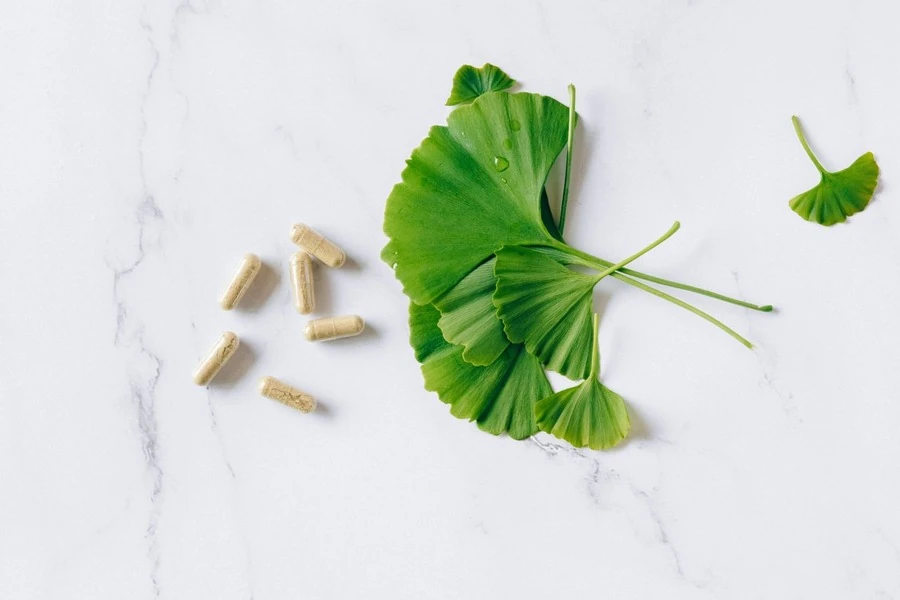
In a six-year trial of over 3,000 older adults, ginkgo did not reduce dementia. Photo: Nataliya Vaitkevich / Pexels
Supplements
Ginkgo biloba is one of the best-selling memory supplements. In a trial of over 3,000 older adults followed for about six years, it did not reduce the rate of dementia (JAMA, 2008). It can also increase bleeding risk in people taking blood thinners. Most "nootropic" blends have never been properly tested. Unless you have a confirmed deficiency, supplements are not where brain health comes from.
What to eat, in practice
Eat plenty of vegetables, especially leafy greens, plus beans and lentils, whole grains, nuts, fish once or twice a week, and olive or rapeseed oil instead of butter or ghee. Have fewer sugary drinks and processed meats, and drink little or no alcohol. Pair that with regular exercise, good sleep, and checks on blood pressure, blood sugar and hearing as you age. It is less exciting than a superfood, but it is what the evidence supports.
Sources
- Barnes L, Dhana K, Liu X, Carey V et al., "Trial of the MIND Diet for Prevention of Cognitive Decline in Older Persons", New England Journal of Medicine 389 (2023): 602-611. https://doi.org/10.1056/NEJMoa2302368
- Morris M, Wang Y, Barnes L, Bennett D et al., "Nutrients and bioactives in green leafy vegetables and cognitive decline", Neurology 90 (2018). https://doi.org/10.1212/WNL.0000000000004815
- Livingston G, Huntley J, Liu K, Costafreda S et al., "Dementia prevention, intervention, and care: 2024 report of the Lancet standing Commission", The Lancet 404 (2024): 572-628. https://doi.org/10.1016/S0140-6736(24)01296-0
- DeKosky S, "Ginkgo biloba for Prevention of DementiaA Randomized Controlled Trial", JAMA 300 (2008): 2253. https://doi.org/10.1001/jama.2008.683


Comments (0)
Leave a Reply
Comments are moderated. Please read our Comment Policy before posting.
Log in to post a comment.