

 Jan 15, 2025
 5 min read
How Viruses Spread, and What Actually Lowers Your Risk

"Wash your hands" is good advice, but it only blocks some viruses. Flu and measles travel mostly through the air, norovirus spreads through hands, food and surfaces, and hepatitis B needs blood or other body fluids. Protection works best when it matches the way a particular virus gets from one person to the next.
Four ways viruses get in
Through the air. Flu, COVID-19, RSV, chickenpox and measles spread in droplets and in smaller particles that can hang in the air of a closed room. Measles is the extreme case: about nine in ten unvaccinated people who share a home with an infected person will catch it.
On hands and surfaces. Cold viruses (rhinoviruses) and norovirus are picked up from door handles, phones and shared towels, then carried to the nose, mouth or eyes. One study of medical students counted an average of 23 face touches an hour, which shows how easily this happens.
In food and water. Norovirus, hepatitis A and rotavirus are spread when traces of stool reach food, water or hands. Very few norovirus particles are needed to make someone ill.
Through blood, sex and bites. HIV and hepatitis B and C spread through blood and sexual contact, and from mother to baby. Dengue and Zika are carried by mosquitoes.
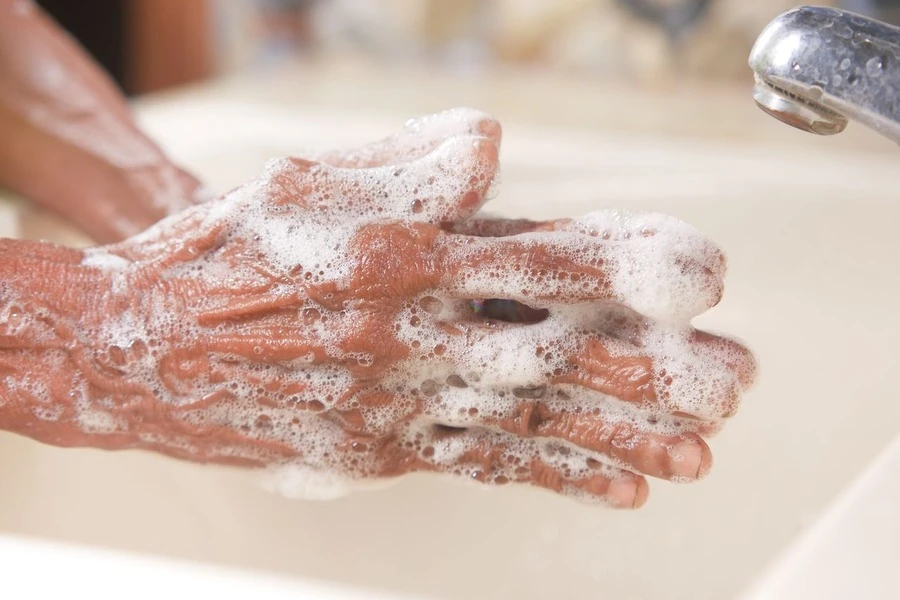
Rub for at least 20 seconds, including the backs of the hands, the thumbs and under the nails. Photo: Towfiqu barbhuiya / Pexels
Hand washing that actually works
Use soap and water and rub for at least 20 seconds, about the time it takes to hum "Happy Birthday" twice. Cover the backs of the hands, between the fingers, the thumbs and under the nails, then dry with a clean towel. The most important times are before eating, cooking or touching your face, and after using the toilet, changing a nappy, blowing your nose or caring for someone who is ill.
Alcohol gel with at least 60% alcohol is a good substitute when there is no sink, and it kills flu and coronaviruses well. It works poorly against norovirus, and it does little on hands that are greasy or visibly dirty. In those cases only soap and water will do.
Vaccines do the heavy lifting
No other single step comes close. Two doses of the measles, mumps and rubella (MMR) vaccine protect about 97 out of 100 people from measles for life. The flu vaccine is less complete. In seasons when it matches the circulating strains well it cuts the risk of flu illness by around 40 to 60%, and it lowers the chance of severe illness more than that. It needs repeating every year because the virus keeps changing.
Hepatitis B vaccine prevents a chronic liver infection that can lead to cirrhosis and liver cancer. HPV vaccine prevents most cervical cancers. COVID-19 vaccines remain most useful for older people, pregnant women and anyone with a weak immune system. Check your national schedule. Adults often miss boosters, such as tetanus or a second MMR dose, without realising it.

For airborne viruses, fresh air matters more than wiping surfaces. Photo: RDNE Stock project / Pexels
Air, masks and distance
For airborne viruses, fresh air matters more than wiping surfaces. Opening windows, even for a few minutes an hour, clears infectious particles from a crowded room. Well-fitting respirator masks (N95, FFP2 or KN95) filter far better than cloth or loose surgical masks. They are most worth wearing in crowded indoor places during an outbreak, when looking after someone who is ill, or if you are at high risk yourself.
When someone at home is sick
Give the sick person their own towel and cup, and wash their bedding and towels on a hot cycle (60°C). Clean handles, taps and phones daily. Norovirus survives many household sprays, so use a bleach-based cleaner on toilets and surfaces after vomiting or diarrhoea. People with norovirus should stay off work or school until 48 hours after their last episode, because they remain infectious after they start to feel better.
What supplements and sleep can do
The evidence here is more modest than the advertising.
- Vitamin C: a Cochrane review of 29 trials with over 11,000 people found that taking it every day did not reduce how often ordinary people caught colds. It shortened colds by about 8% in adults. Starting it after symptoms begin made no consistent difference.
- Vitamin D: a 2017 analysis in the BMJ found that daily or weekly doses slightly reduced respiratory infections, with the clearest benefit in people who were deficient to begin with.
- Sleep: in a study where volunteers were given cold virus through nose drops, people who slept less than six hours a night were about four times more likely to catch the cold than those who slept more than seven.
Antibiotics won't help, antivirals sometimes do
Antibiotics kill bacteria, not viruses. Taking them for a cold, flu or most sore throats adds side effects such as diarrhoea and thrush, and helps resistant bacteria spread. They are only needed if a bacterial complication, such as pneumonia, develops.
Some viral infections do have specific medicines. Oseltamivir (Tamiflu) for flu works best when started within 48 hours of the first symptoms, and it is mainly used for people at higher risk. Nirmatrelvir with ritonavir (Paxlovid) for COVID-19 is started within five days. The ritonavir in it interacts with many common drugs, including some statins, blood thinners and heart-rhythm medicines, so give the prescriber or pharmacist a full list of everything you take.
When to get medical help
- Difficulty breathing, chest pain, or blue or grey lips
- Confusion or unusual drowsiness
- Very little urine, or being unable to keep fluids down
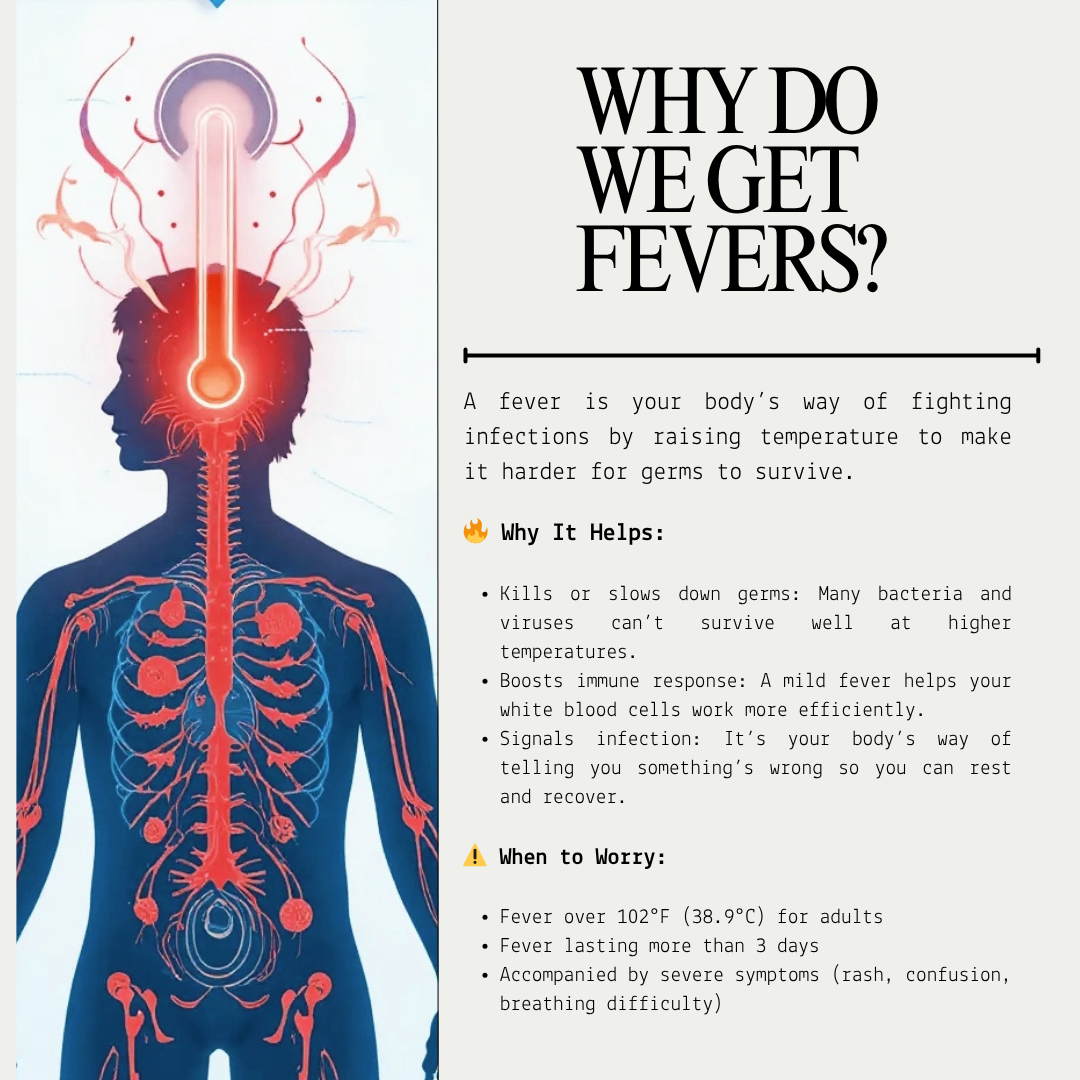
- A fever above 39°C that lasts more than three days, or any fever (38°C or more) in a baby under three months
- Symptoms that start to improve and then get worse again, which can mean a secondary infection
Sources
- Hemilä H, Chalker E, "Vitamin C for preventing and treating the common cold", Cochrane Database of Systematic Reviews 2013 (2013). https://doi.org/10.1002/14651858.CD000980.pub4
- Martineau A, Jolliffe D, Hooper R, Greenberg L et al., "Vitamin D supplementation to prevent acute respiratory tract infections: systematic review and meta-analysis of individual participant data", BMJ (2017): i6583. https://doi.org/10.1136/bmj.i6583
- Prather A, Janicki-Deverts D, Hall M, Cohen S, "Behaviorally Assessed Sleep and Susceptibility to the Common Cold", Sleep 38 (2015): 1353-1359. https://doi.org/10.5665/sleep.4968


Comments (0)
Leave a Reply
Comments are moderated. Please read our Comment Policy before posting.
Log in to post a comment.