

 Jan 25, 2025
 4 min read
Improving Digestion: What Helps Bloating, Constipation and Heartburn

"Poor digestion" usually means one of four things: bloating and wind, constipation, heartburn, or loose and urgent stools. Each has different causes, and a fix for one can make another worse. Peppermint, for example, eases bowel cramps but can make heartburn worse. So the first step is to work out which problem you actually have.
Constipation: fibre, fluid and timing
Adults are advised to eat about 30 g of fibre a day, and most people manage closer to 20 g. Raise it gradually, over two or three weeks, because a sudden jump causes gas and cramping. Drink more as you do it, since fibre needs water to soften stool.
Some foods have better evidence than others. Two green kiwifruit a day and about 100 g of prunes a day (10 to 12 prunes) have both done well in trials for mild constipation. Psyllium husk (ispaghula), sold as a powder you stir into water, is the most studied fibre supplement. Bran works for some people but tends to cause more bloating.
The gut is most active after waking and after meals, so a regular unhurried time on the toilet after breakfast helps. Resting your feet on a low stool, so your knees sit above your hips, makes passing stool easier.
Bloating and wind
A certain amount of gas is normal; passing wind more than a dozen times a day is common in healthy people. Excess bloating is often caused by short-chain carbohydrates that ferment in the bowel, known as FODMAPs. Common sources are onions, garlic, wheat, beans and lentils, apples and pears, and the sweeteners sorbitol and xylitol found in sugar-free gum and sweets.
For people with irritable bowel syndrome (IBS), a low-FODMAP diet improves symptoms in roughly half to three quarters of cases. It is meant to be done in stages, cutting out and then reintroducing foods, ideally with a dietitian, not followed strictly forever. Enteric-coated peppermint oil capsules also have good trial evidence for IBS cramps and bloating.
Eating quickly, chewing gum and fizzy drinks all add swallowed air. Slowing down at meals is unglamorous but genuinely helps.
Heartburn and reflux
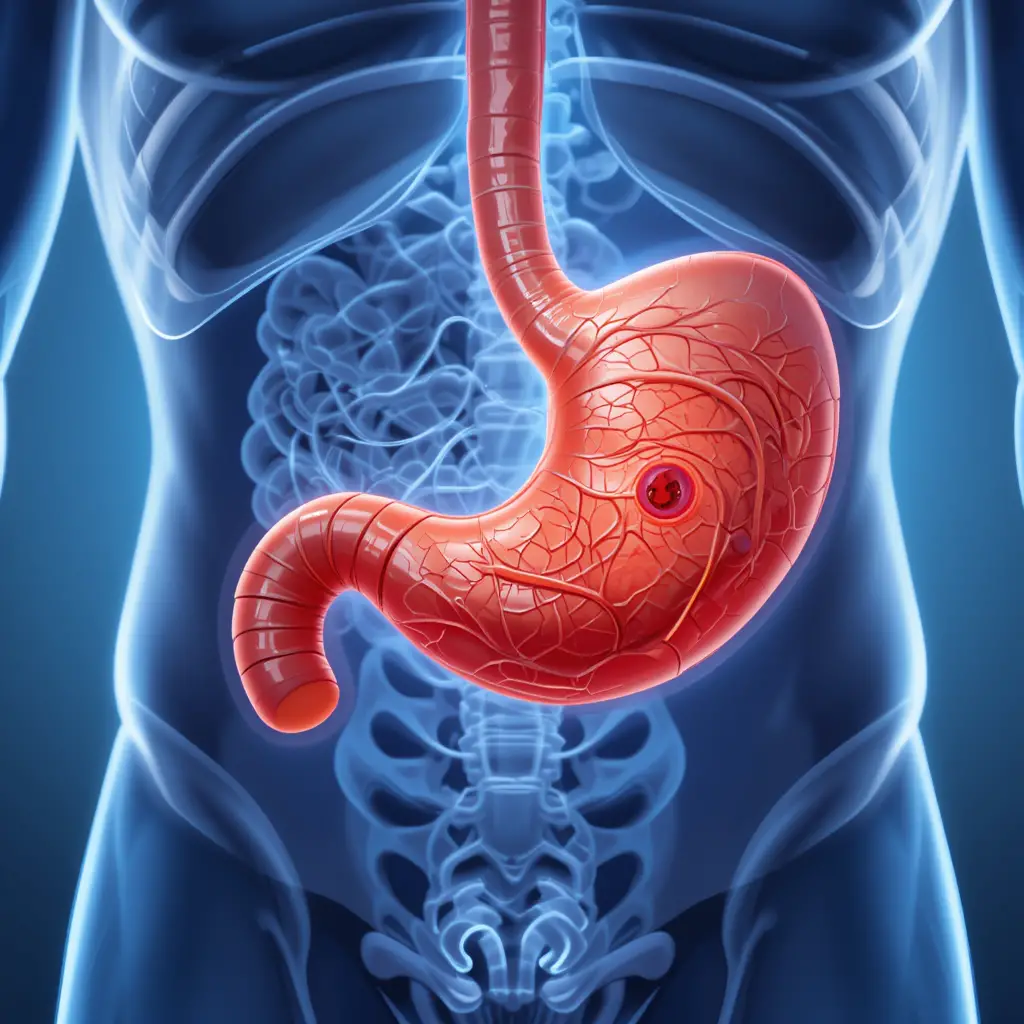
Heartburn happens when stomach acid rises into the gullet. Large, late or fatty meals make it more likely, as do alcohol, smoking and extra weight around the middle. Practical steps:
- Eat smaller meals and finish eating at least three hours before lying down.
- If symptoms are worse at night, raise the head of the bed by 10 to 20 cm with blocks under the legs. Extra pillows bend the stomach and help less.
- Notice your own triggers. Coffee, chocolate, tomatoes, citrus and spicy food bother some people and not others.
Apple cider vinegar is often suggested on the theory that low stomach acid causes heartburn. There is no good evidence for this, and acidic drinks can irritate an already inflamed gullet. For occasional heartburn an antacid or an alginate (such as Gaviscon) works within minutes. For frequent symptoms, a pharmacist can advise on short courses of omeprazole or similar medicines, which work best taken 30 to 60 minutes before breakfast (see the NHS guide to heartburn).
Move after meals
A 10 to 15 minute walk after eating helps the stomach empty and blunts the rise in blood sugar after a meal. Regular exercise of any kind shortens the time food takes to move through the bowel, which is one reason constipation is common in people who sit for most of the day.

Medicines are an often overlooked cause of gut symptoms. Photo: cottonbro studio / Pexels
Check your medicines
Medicines are an overlooked cause of gut symptoms. Iron tablets, codeine and other opioids, the blood-pressure drug verapamil and antacids containing aluminium commonly cause constipation. Metformin often causes loose stools at first; taking it with food, or switching to a slow-release form, usually helps. Painkillers such as ibuprofen and aspirin can irritate the stomach lining. Antibiotics often upset the bowel for a few days. If your symptoms began around the time a medicine was started, ask your pharmacist before stopping it.
Ginger, fennel and herbal teas
Ginger has reasonable evidence for nausea, including in pregnancy, but less for general indigestion. Fennel and chamomile teas are harmless and some people find them soothing, though there is little hard evidence for them. They are best treated as comfort, not treatment.
Symptoms that need a doctor
See a doctor rather than trying home remedies if you have:
- blood in your stool, or black, tarry stools
- weight loss you can't explain
- difficulty swallowing, or food sticking
- repeated vomiting
- a lasting change in bowel habit, especially over the age of 50
- symptoms that wake you at night
- a family history of bowel or stomach cancer
Sources
- NHS, "Heartburn and acid reflux". https://www.nhs.uk/conditions/heartburn-and-acid-reflux/
- NHS, "Constipation". https://www.nhs.uk/conditions/constipation/
- NHS, "Bloating". https://www.nhs.uk/conditions/bloating/


Comments (0)
Leave a Reply
Comments are moderated. Please read our Comment Policy before posting.
Log in to post a comment.