

 May 12, 2025
 3 min read
Understanding Abdominal Pain
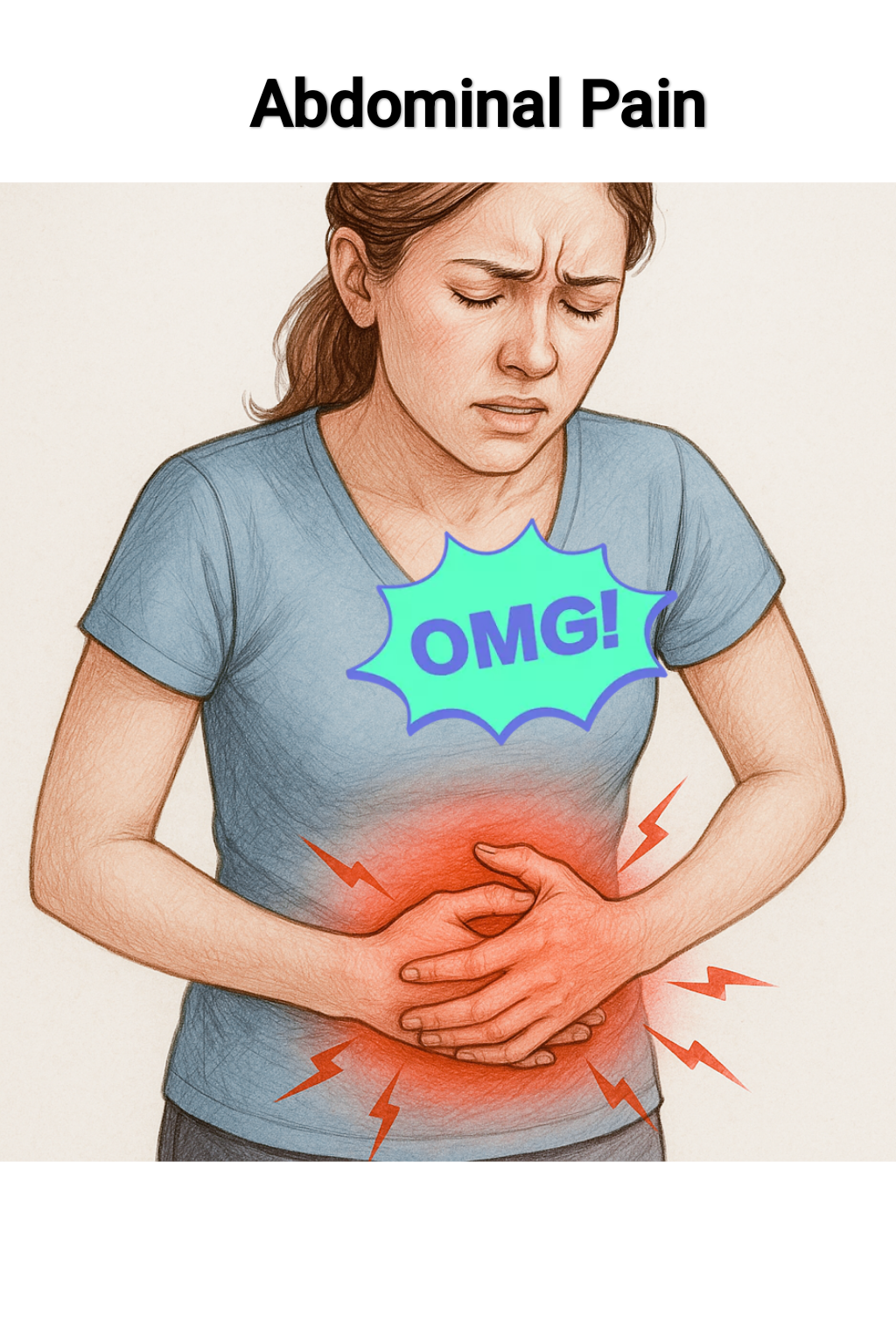
Understanding Abdominal Pain:
Causes, Types, and When to Seek Help
Abdominal pain refers to discomfort or aching felt anywhere between the chest and pelvis. While it's often described simply as a "stomachache," this symptom can arise from various internal organs—not just the stomach.
What Can Cause Abdominal Pain?
The abdomen contains many critical organs involved in digestion and other bodily functions, including the:
- Stomach
- Liver
- Gallbladder
- Pancreas
- Small intestine
- Large intestine
- Kidneys and reproductive organs (in some cases)
Pain may also originate from the muscles or skin of the abdominal wall or be referred from other areas like the chest, pelvis, or back.
What Does Abdominal Pain Feel Like?
Abdominal pain is a subjective experience, and people describe it in different ways. It may be:
- Mild or intense
- Dull, sharp, or stabbing
- Burning, cramping, or colicky
- Constant or intermittent
- Localized to one area or widespread
Because it can have so many characteristics and causes, healthcare providers rely on detailed descriptions to identify the source.
Common Causes of Abdominal Pain
Most abdominal pain is temporary and not serious. Common causes include:
- Digestive Issues
- Indigestion
- Gas or bloating
- Constipation or diarrhea
- Food intolerances or poisoning
- Inflammation or Infection
- Gastroenteritis (stomach flu)
- Peptic ulcers
- Acid reflux (GERD)
- Urinary tract infections
- Menstrual and Ovulatory Pain (for individuals with a uterus)
- Cramps
- Ovulation-related pain (mittelschmerz)
More Serious Causes of Abdominal Pain
Sometimes abdominal pain is a sign of a more urgent or chronic condition. Its location can offer clues:
Upper Right Abdomen
- Liver problems (e.g., hepatitis)
- Gallbladder issues (e.g., gallstones, cholecystitis)
- Kidney infections or stones
- Upper Left Abdomen
- Pancreatitis
- Gastritis, stomach ulcers, or cancer
- Heart or lung conditions (e.g., angina, pneumonia)
- Lower Abdomen
- Often linked to intestinal or reproductive system problems:
- Irritable bowel syndrome
- Crohn’s disease or ulcerative colitis
- Bowel obstructions
- Endometriosis, ovarian cysts, or ectopic pregnancy
Lower Left Abdomen
- Diverticulitis, especially in older adults
- Lower Right Abdomen
- Appendicitis (common in younger patients)
- Rarely, appendix cancer
Diagnosing Abdominal Pain
To determine the cause, your provider will ask about:
- The location and nature of the pain
- When it started and how it changes
- What worsens or relieves it
- Any associated symptoms like fever, nausea, or bowel changes
Further testing (e.g., blood work, imaging, or endoscopy) may be needed if the cause isn’t immediately clear.
How Is Abdominal Pain Treated?
Treatment depends on the underlying cause. Some conditions require:
- Surgery (e.g., appendicitis, gallstones)
- Medications (e.g., for ulcers, infections, or reflux)
- Lifestyle changes (e.g., diet adjustments for IBS)
- For mild or known causes, home care may help:
- Bowel rest: Eat light, bland foods or temporarily fast
- Hydration: Drink water or oral rehydration solutions
- Heat therapy: Use a warm compress or bath
- Natural remedies: Ginger, peppermint, and licorice can ease symptoms like bloating and cramping
When to Seek Medical Help?
Contact a healthcare provider if you experience:
Severe or persistent pain
Pain with fever, vomiting, or weight loss
Blood in stool or vomit
Inability to pass gas or stool
Pain during pregnancy
Even seemingly mild symptoms can indicate something serious, so it’s alw
ays better to be cautious.



Comments (0)
Leave a Reply
Log in to post a comment.