

 Aug 13, 2025
 4 min read
Stomach Ulcers: Symptoms, Causes, Diagnosis & Treatment
Stomach Ulcers: Symptoms, Causes, Diagnosis & Treatment
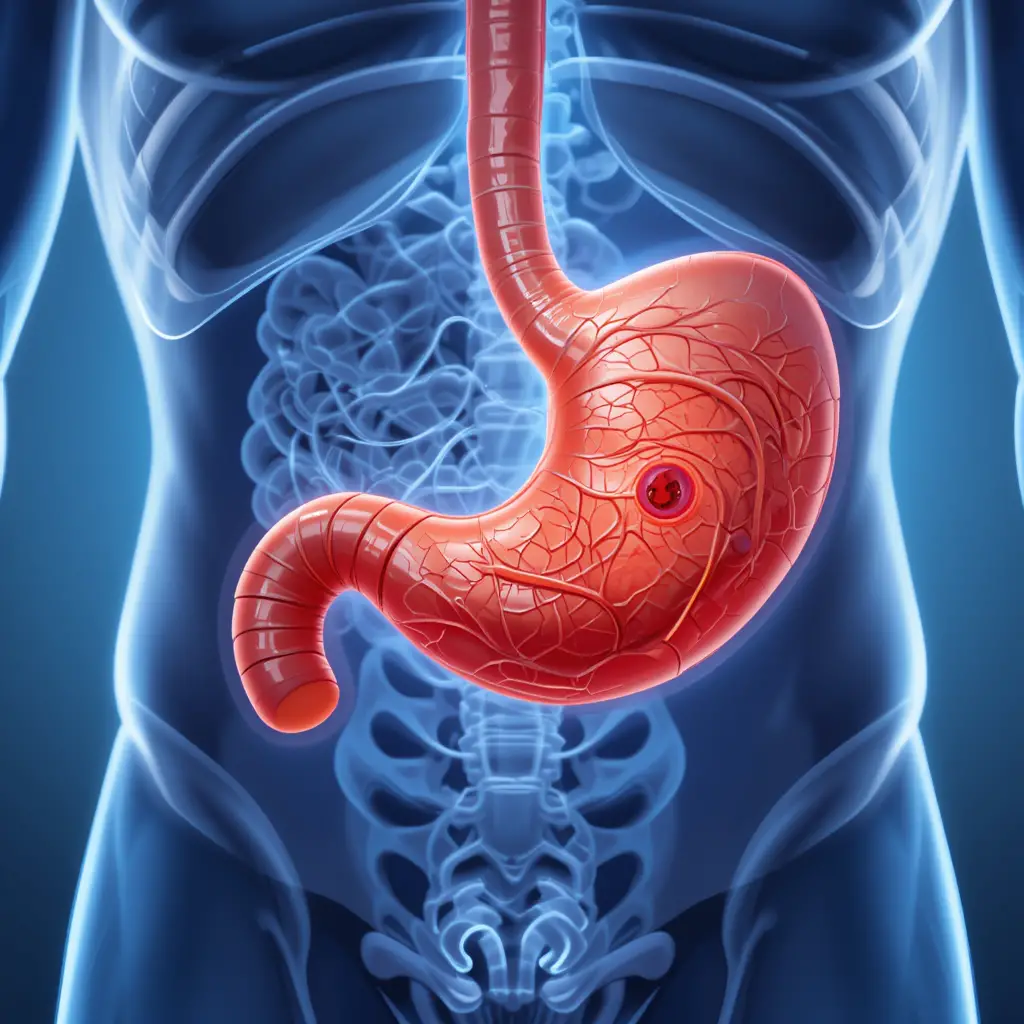
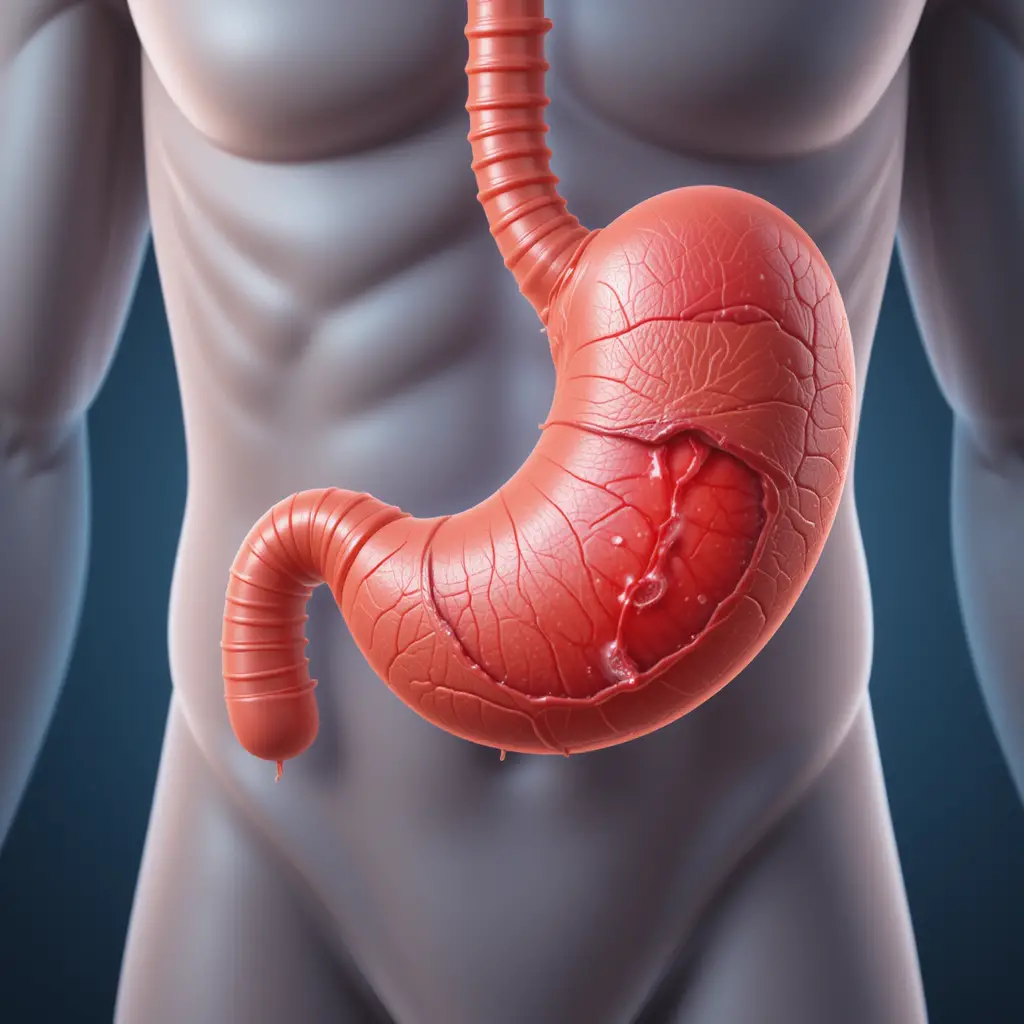
A stomach ulcer, also called a gastric ulcer, is an open sore that develops on the lining of your stomach. Think of it as a wound inside your stomach caused when its protective layer wears away, allowing strong stomach acids to damage the tissue underneath.
Normally, your stomach produces acid to help break down food and kill harmful microbes. At the same time, it creates a thick mucus lining to protect itself from this acid. When that protective barrier is weakened or damaged, the acid can burn into the stomach wall — leading to irritation, erosion, and eventually, an ulcer.
Although stomach ulcers are common and often treatable, leaving them untreated can lead to serious health issues, like internal bleeding or a hole in the stomach wall (perforation).
Buy Supplements
Fast Facts About Stomach Ulcers:
- They’re more common in Western countries, affecting about 1 in 10 people at some point in their lives.
- Most are caused by a bacteria called Helicobacter pylori (H. pylori) or by frequent use of certain painkillers.
- Symptoms range from mild discomfort to severe pain, and some ulcers show no symptoms at all.
- With the right treatment, most ulcers heal completely.
Common Symptoms:
The classic symptom of a stomach ulcer is indigestion — a burning, gnawing, or aching pain in the middle of your abdomen. It might feel better or worse after eating, and sometimes it comes and goes.
Other possible symptoms include:
- A dull or burning stomach pain that may feel like hunger
- Bloating and burping
- Nausea or vomiting
- Loss of appetite or avoiding food due to pain
- Unexplained weight loss
- Fatigue
- Bloody or black, tarry stools (a sign of bleeding)
- Chest pain or discomfort
⚠ Seek urgent medical attention if you vomit blood, notice black stools, or experience sudden, severe abdominal pain. These could be signs of a serious complication.
Buy Supplements
What Causes Stomach Ulcers?
The two most common causes are:
1- H. pylori infection
– This bacteria weakens the protective mucus in the stomach and triggers inflammation, making it easier for acid to cause damage.
2- NSAIDs (nonsteroidal anti-inflammatory drugs)
Painkillers like ibuprofen, aspirin, or naproxen can irritate or damage the stomach lining, especially when taken in high doses or for long periods.
Less common causes include:
- Excess stomach acid (due to stress, genetics, or certain foods)
- Smoking and heavy alcohol use
- A rare condition called Zollinger–Ellison syndrome, which causes the stomach to produce too much acid
Buy Supplements
Risk Factors
You may be more likely to develop a stomach ulcer if you:
- Regularly take NSAIDs or steroids
- Drink alcohol often
- Smoke cigarettes
- Are over 60 years old
- Have a family history of ulcers
Diagnosis:
If your doctor suspects an ulcer, they may:
- Ask about your symptoms and medical history
- Test for H. pylori using a breath, stool, or blood test
- Perform an endoscopy (using a small camera to look inside the stomach)
- Use X-rays with a barium swallow to check for ulcers
Buy Supplements
Treatment
Treatment depends on the cause:
If caused by H. pylori:
- Antibiotics to kill the bacteria
- Proton pump inhibitors (PPIs) to reduce acid production and allow healing
If caused by NSAIDs:
- Stopping or switching pain medication
- Taking acid-reducing medication (PPIs or H2 blockers)
- Using drugs that protect the stomach lining
Over-the-counter antacids can provide temporary relief, but they don’t fix the underlying problem.
Lifestyle & Diet Tips for Recovery
While medication heals the ulcer, these changes can help:
- Eat more fruits and vegetables – Rich in antioxidants and protective compounds
- Increase fiber – Soluble fiber supports a healthy gut
- Add probiotics – Yogurt, kefir, or supplements can help fight H. pylori
- Boost vitamin C – Supports healing and may help eradicate infection
- Avoid alcohol, caffeine, and smoking – These increase stomach acid and slow healing
Buy Supplements
Possible Complications
If untreated, ulcers can cause:
- Internal bleeding (leading to anemia or shock)
- Perforation (a hole in the stomach wall)
- Gastric obstruction (blocking food from passing)
When to See a Doctor
Don’t ignore persistent stomach discomfort. Seek medical help if you:
- Have ongoing abdominal pain
- Experience sudden severe pain
- Vomit blood or have black stools
- Feel weak, dizzy, or unusually tired
Buy Supplements
Bottom line:
Stomach ulcers are common, but with proper treatment, most heal completely. Recognizing the symptoms early, addressing the cause, and making healthy lifestyle changes can prevent complications and improve your quality of life.



Comments (0)
Leave a Reply
Log in to post a comment.