

 Jun 24, 2026
 4 min read
Low Blood Calcium (Hypocalcaemia): Causes, Symptoms and Treatment
The body keeps blood calcium within a narrow range, about 2.2 to 2.6 mmol/L (8.5 to 10.5 mg/dL). The parathyroid glands, four rice-grain-sized glands in the neck, monitor it minute by minute. When calcium dips, they release parathyroid hormone (PTH), which pulls calcium from bone, holds it back in the kidneys, and activates vitamin D so more is absorbed from food. Hypocalcaemia, low blood calcium, happens when part of this system fails.
First, check the result is real
Much of the calcium in blood is bound to the protein albumin. If albumin is low, as it often is in people who are unwell, malnourished or have liver disease, total calcium reads low even when the active, "free" calcium is normal. Labs usually report an "adjusted" or "corrected" calcium to account for this. In doubt, ionised calcium can be measured directly.
Symptoms
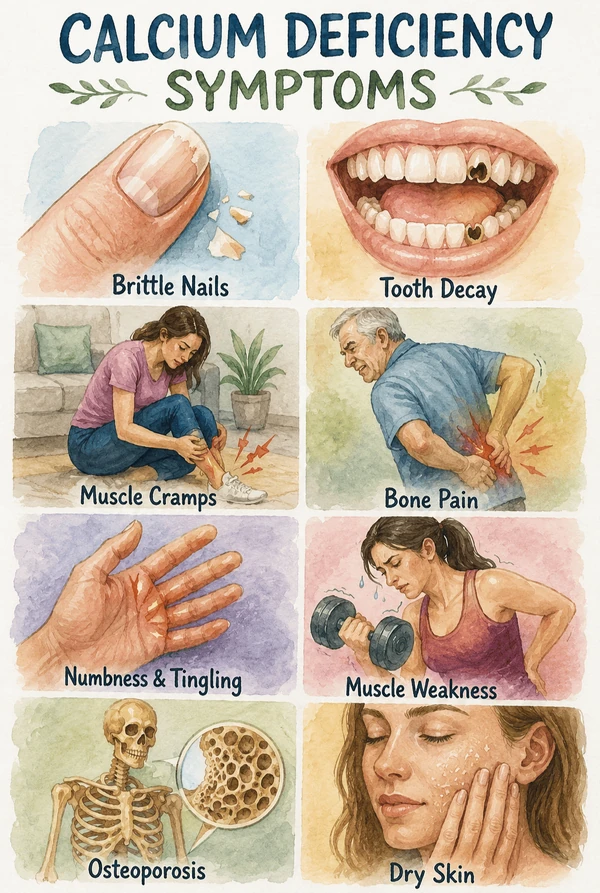
Low calcium makes nerves and muscles over-excitable. Mild cases may cause no symptoms. As levels fall, people notice:
- tingling around the mouth and in the fingertips and toes
- muscle cramps
- spasms of the hands and feet, where fingers bend stiffly at the knuckles
- in severe cases, seizures, spasm of the voice box causing noisy breathing, and heart rhythm problems (a prolonged QT interval on an ECG)
Long-standing low calcium can cause cataracts, dry skin, brittle nails and, in children, poor bone growth (rickets).
Causes
After neck surgery. The most common cause of sudden low calcium is surgery on the thyroid or parathyroid glands, which can bruise or remove the parathyroids. Many patients have temporary low calcium after a total thyroidectomy. A small percentage need lifelong treatment. Tingling in the days after surgery should be reported straight away.
Vitamin D deficiency. This is extremely common in South Asia, despite the sunshine. Darker skin, covered clothing, indoor lifestyles and air pollution all reduce how much vitamin D the skin makes. Deficiency lowers calcium absorption and, if prolonged, softens bones. That causes rickets in children and osteomalacia in adults, with bone pain and muscle weakness.
Low magnesium. The parathyroid glands need magnesium to work. When magnesium is low, calcium won't correct until magnesium is replaced. A cause many people don't know about is long-term use of acid-reducing medicines (omeprazole, esomeprazole and similar), which can lower magnesium after months or years. Heavy alcohol use and diarrhoea are other causes.
Kidney disease. Damaged kidneys can't activate vitamin D.
Medicines. Several medicines can lower calcium:
- drugs for osteoporosis, especially zoledronic acid infusions and denosumab injections. The risk is highest when vitamin D is low or kidney function is reduced, so both should be checked before treatment
- cinacalcet
- loop diuretics such as furosemide
- older epilepsy drugs (phenytoin, phenobarbital, carbamazepine), which speed up vitamin D breakdown
Other causes include acute pancreatitis, large blood transfusions, and rare genetic conditions.

Milder cases are treated with calcium and vitamin D; severe ones need hospital care. Photo: Engin Akyurt / Pexels
Treatment
Severe or symptomatic hypocalcaemia is treated in hospital with intravenous calcium gluconate and heart monitoring (Society for Endocrinology emergency guidance).
Milder cases are treated with calcium tablets and vitamin D, after correcting magnesium if needed. In vitamin D deficiency, treatment usually starts with a higher-dose course of vitamin D (cholecalciferol), followed by a daily maintenance dose. When the parathyroid glands aren't working, people need activated vitamin D (calcitriol or alfacalcidol) because the body can't activate ordinary vitamin D itself. Their blood calcium needs regular monitoring.
Taking calcium and vitamin D correctly
- Calcium carbonate needs stomach acid, so take it with meals. People on acid-reducing medicines absorb calcium citrate better.
- The body absorbs calcium best in doses of about 500 mg or less at a time. Split larger amounts.
- Keep calcium at least two to four hours away from levothyroxine, iron, some antibiotics (ciprofloxacin, doxycycline) and osteoporosis tablets such as alendronate. It blocks their absorption.
- Constipation is the main side effect.
More is not better with vitamin D. Repeated high-dose vitamin D injections, sometimes given without a blood test, can push calcium too high. Excess calcium causes thirst, confusion, kidney stones and kidney damage. Vitamin D should be prescribed on the basis of a blood level, and checked again after treatment.
Prevention
For most people, enough calcium comes from food: two to three servings a day of milk, yoghurt or cheese, or calcium-set tofu, sardines with bones, fortified foods, almonds and leafy greens. A daily vitamin D supplement of 10 micrograms (400 IU) is a sensible default for people who get little sun, cover most of their skin, or have darker skin. The same applies to pregnant and breastfeeding women. Anyone on long-term acid-reducing medicines, epilepsy drugs or osteoporosis treatment should ask whether their calcium, magnesium and vitamin D need checking. MedlinePlus has a plain-language summary of the blood test.
Sources
- Turner J, Gittoes N, Selby P, _ _, "SOCIETY FOR ENDOCRINOLOGY ENDOCRINE EMERGENCY GUIDANCE: Emergency management of acute hypocalcaemia in adult patients", Endocrine Connections 5 (2016): G7-G8. https://doi.org/10.1530/EC-16-0056
- MedlinePlus, "Hypercalcemia: MedlinePlus Medical Encyclopedia". https://medlineplus.gov/ency/article/000365.htm
- MedlinePlus, "Calcium Blood Test: MedlinePlus Medical Test". https://medlineplus.gov/lab-tests/calcium-blood-test/



Comments (0)
Leave a Reply
Comments are moderated. Please read our Comment Policy before posting.
Log in to post a comment.