

 Jan 29, 2025
 4 min read
Why Vitamin A Is Essential for Women
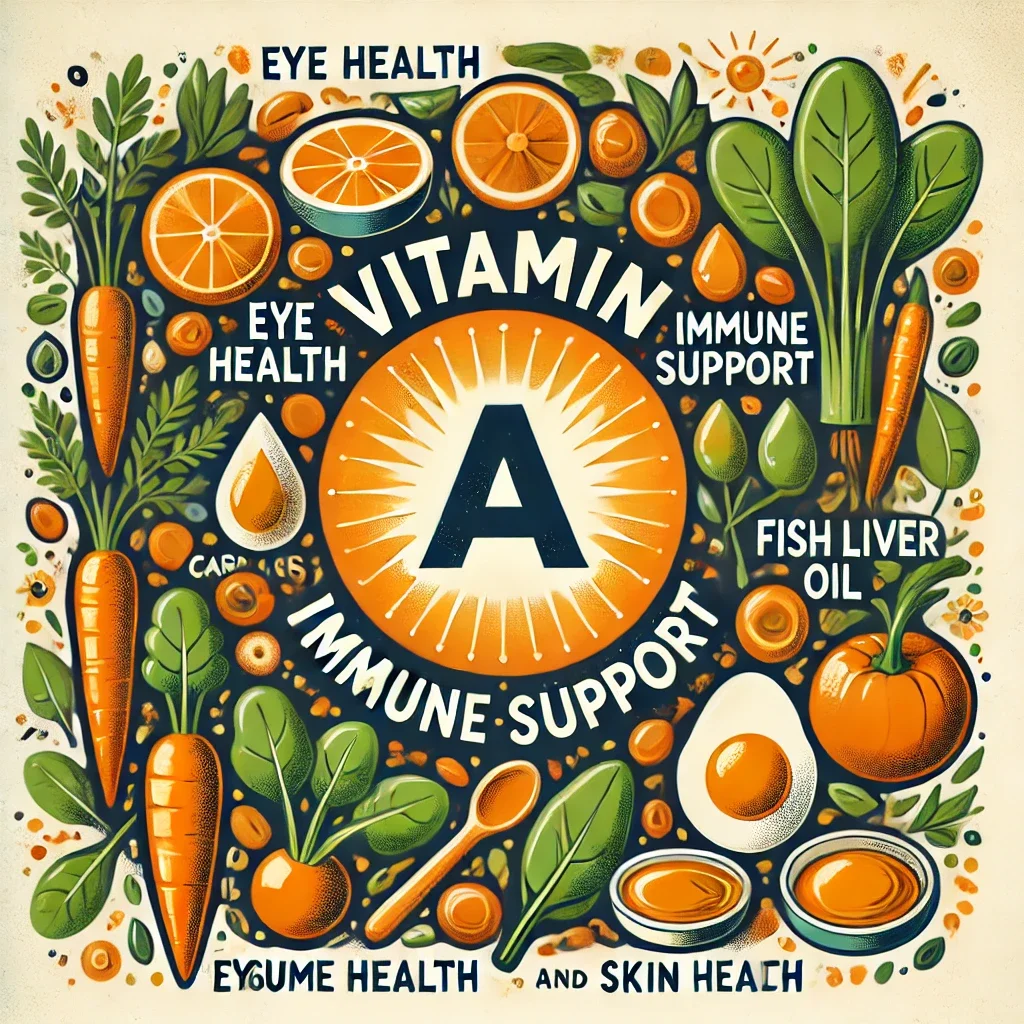
Vitamin A tends to get mentally filed under "good for eyes" and left there, but it's actually involved in a surprisingly wide range of body functions that matter specifically for women's health — from immune defense to reproduction to skin repair. Here's what it actually does and why the specifics matter.
Eye health
Vitamin A is a direct component of rhodopsin, the light-sensitive pigment in the retina responsible for vision in low light — which is precisely why a deficiency shows up first as night blindness, often the earliest detectable sign of inadequate vitamin A. Longer term, sufficient vitamin A intake is also linked to lower risk of certain age-related eye conditions.
Immune system support
Vitamin A supports the production and normal function of white blood cells, the immune system's primary line of defense against infection. It also helps maintain the integrity of mucosal surfaces — the lining of the respiratory and digestive tracts — which serve as a first physical barrier against pathogens before the immune system even needs to respond. Deficiency is associated with increased susceptibility to infections, particularly respiratory ones.
Skin and hair
Vitamin A supports normal skin cell production and turnover, which is part of why it shows up as an ingredient (often as retinoids, a related compound) in treatments for acne and skin texture. Adequate levels help prevent excessive dryness, and the same cell-turnover support extends to hair follicles, contributing to hair strength and reducing brittleness.
Reproductive health and pregnancy
Vitamin A plays a genuine role in fetal development, particularly in organ formation during early pregnancy, and adequate maternal levels are linked to lower risk of certain birth complications. This comes with an important caveat, though: vitamin A is one of the few nutrients where both deficiency and excess during pregnancy carry real risk — very high-dose vitamin A (particularly in the retinoid/retinoic acid form, as opposed to plant-based beta-carotene) is a well-documented cause of birth defects, which is why prenatal vitamin dosing is specifically calibrated and high-dose vitamin A supplements are generally avoided during pregnancy without medical guidance.
Bone health
Vitamin A works alongside calcium and vitamin D in maintaining bone density and structure. This matters particularly for women, who face substantially higher lifetime risk of osteoporosis than men, especially after menopause — adequate vitamin A is one contributing piece of the broader nutritional picture for long-term bone health.
Antioxidant effects
Vitamin A (along with related carotenoids like beta-carotene) helps protect cells from oxidative stress caused by free radicals — reactive molecules that accumulate from normal metabolism and environmental exposure, and that are linked to both visible aging and elevated chronic disease risk over time.
Getting enough — and not too much
Vitamin A comes in two dietary forms: preformed vitamin A (retinol, found in animal sources like fish liver oil and eggs) and provitamin A carotenoids (like beta-carotene, found in orange and dark leafy vegetables), which the body converts to vitamin A as needed. Good sources include carrots, sweet potatoes, spinach and other leafy greens, eggs, fish liver oil, and mangoes.
The carotenoid form from plants carries essentially no toxicity risk since the body only converts what it needs. Preformed vitamin A from animal sources or supplements is different — it can accumulate to toxic levels with sustained high intake, causing symptoms ranging from headaches and dizziness to, in pregnancy specifically, serious birth defect risk. For most people eating a varied diet, supplementation isn't necessary; it becomes a relevant conversation specifically for those with restricted diets or diagnosed deficiency, ideally guided by a doctor rather than self-directed high-dose supplementation.
Frequently Asked Questions
What are early signs of vitamin A deficiency? Night blindness (difficulty seeing in low light) is typically the earliest and most specific sign, followed by increased susceptibility to infections and dry skin or eyes in more significant deficiency.
Is it possible to get too much vitamin A from food alone? From plant sources (carotenoids), essentially no — the body regulates conversion. From concentrated animal sources or supplements taken in excess, yes, which is why supplement dosing matters more than dietary intake from whole foods.
Is vitamin A safe during pregnancy? Adequate intake is important for fetal development, but high-dose supplementation (particularly preformed vitamin A/retinol) is a known teratogen and should only be taken under medical guidance during pregnancy — standard prenatal vitamins are formulated with this balance already accounted for.


Comments (0)
Leave a Reply
Log in to post a comment.