

 May 01, 2025
 4 min read
Neck Pain in Women: Causes, Symptoms and Treatment
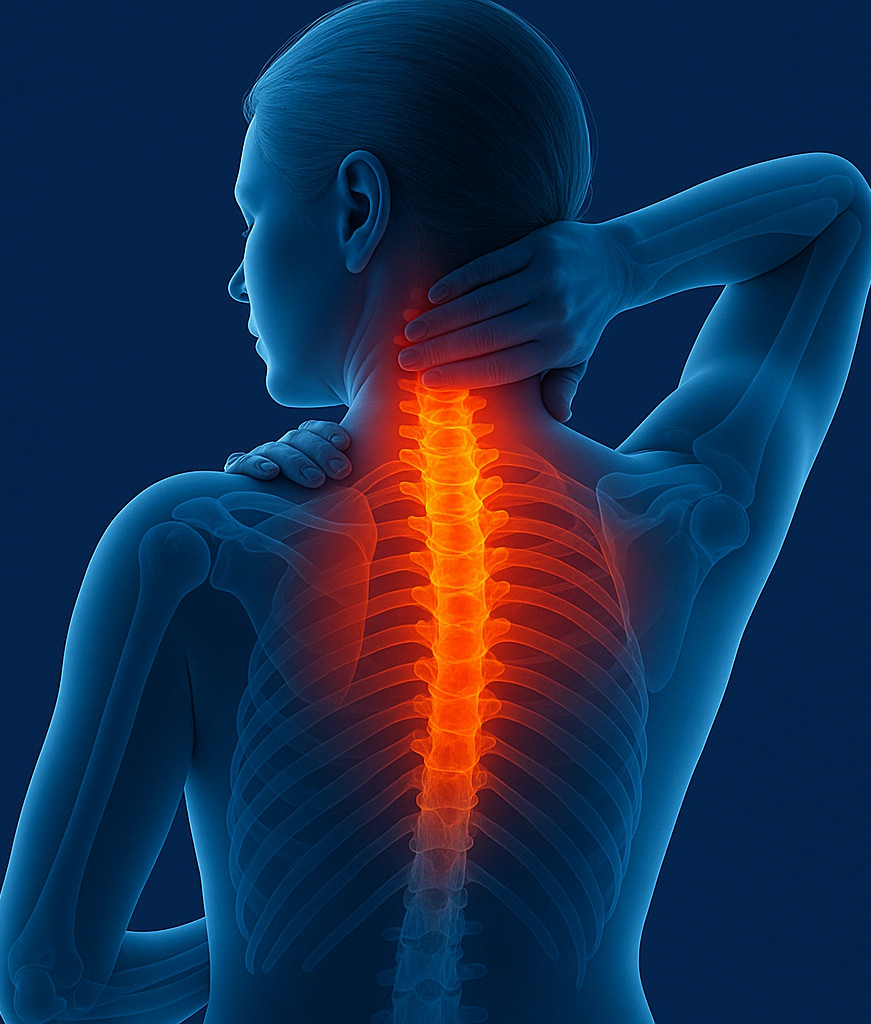
Causes, Symptoms and treatment of Neck pain in females
📖 What Is Neck Pain (Cervicalgia)?
Neck pain — medically known as cervicalgia — refers to discomfort or pain in the area of your cervical spine, which begins at the base of your skull and extends down your neck. It’s a common issue associated with a variety of injuries, lifestyle habits, and medical conditions.
Neck pain can be localized, affecting only your neck (called axial neck pain), or it might radiate into your shoulders, arms, or upper back (radicular pain). Depending on the cause, it might last for just a few days or become a long-term issue that persists for several months.
📖 How Does Neck Pain Feel?
People experience neck pain differently. It might manifest as:
- A dull, constant ache
- A sharp or burning sensation
- Stabbing pain in a specific area
- A shooting discomfort that travels from the neck into the shoulders or arms
Some people also report a stiff or tight feeling, making it difficult to turn or tilt their head.
📖 Additional Symptoms Linked to Neck Pain:
- Headaches
- Stiffness in the neck, shoulders, and upper back
- Limited range of motion
- Tingling or numbness in the arms, shoulders, or hands
📖 Who Typically Experiences Neck Pain?
Neck pain affects about 10% to 20% of adults, with women more frequently affected than men. The risk increases as you get older, particularly due to wear and tear on the cervical spine.
📖 Common Causes of Neck Pain
Neck pain can stem from many factors, such as:
🔸 Aging and Degeneration
As we age, the structures in our neck — including bones, discs, and joints — naturally wear down. Conditions like cervical osteoarthritis or spinal stenosis (narrowing of the spinal canal) can compress nerves and trigger pain.
🔸 Muscle Strain
Repetitive movements, poor posture, or overexertion can strain the neck muscles. Spending hours hunched over a phone, laptop, or book is a modern contributor to this issue.
🔸 Mental and Emotional Stress
Stress often causes people to unconsciously tense the muscles in their neck and shoulders, leading to stiffness and pain over time.
🔸 Injuries and Accidents
Sudden trauma — such as whiplash from a car accident or sports injury — can harm the soft tissues, vertebrae, and nerve structures in the neck.
🔸 Abnormal Growths
Tumors, bone spurs, or cysts can press on nerves, causing persistent neck pain.
🔸 Underlying Medical Conditions
Issues like rheumatoid arthritis, meningitis, or even certain cancers may present neck pain as a symptom.
📖 How Is Neck Pain Treated?
The goal of treatment is to ease discomfort, restore mobility, and prevent future problems. Many cases improve with simple home care, but medical management is available when necessary.
🔹 Medications
- Nonsteroidal anti-inflammatory drugs (NSAIDs) like ibuprofen help reduce inflammation.
- Muscle relaxers relieve spasms and tension.
🔹 Physical Therapy
A physical therapist can recommend specific stretches and strengthening exercises to improve posture and relieve strain on neck muscles.
🔹 TENS Therapy
A Transcutaneous Electrical Nerve Stimulation (TENS) unit delivers mild electrical impulses through the skin to help block pain signals.
🔹 Injections
Steroid injections near affected nerves may reduce swelling and provide longer-term relief.
🔹 Complementary Therapies
Approaches like acupuncture, massage therapy, and spinal adjustments by an osteopath or chiropractor can help manage chronic pain.
🔹 Surgical Treatment
Surgery is rarely needed but might be recommended if there’s severe nerve compression, herniated discs, or vertebral misalignment.
📖 Home Remedies for Neck Pain
You can ease mild neck pain with a few simple strategies:
- Apply Heat: Use a warm compress or heating pad on the sore area to relax muscles and boost blood flow.
- Use Cold Therapy: Apply a cold pack or frozen towel to reduce swelling and inflammation.
- Gentle Stretching: Follow your doctor’s or therapist’s advice for neck exercises to improve flexibility.
- Manage Stress: Practice mindfulness, deep breathing, meditation, or yoga to relax tense muscles.
- Quit Smoking: Tobacco use slows healing and increases spinal degeneration.
📖 Final Thoughts
Neck pain is a common and often preventable issue that can range from a mild nuisance to a serious, life-affecting condition. Most cases improve with simple treatments, lifestyle changes, and patience. If symptoms persist or worsen, it’s important to consult a healthcare professional for proper evaluation and care.



Comments (0)
Leave a Reply
Log in to post a comment.