

 Feb 10, 2025
 3 min read
Lower Back Pain: Causes, Symptoms and Treatment
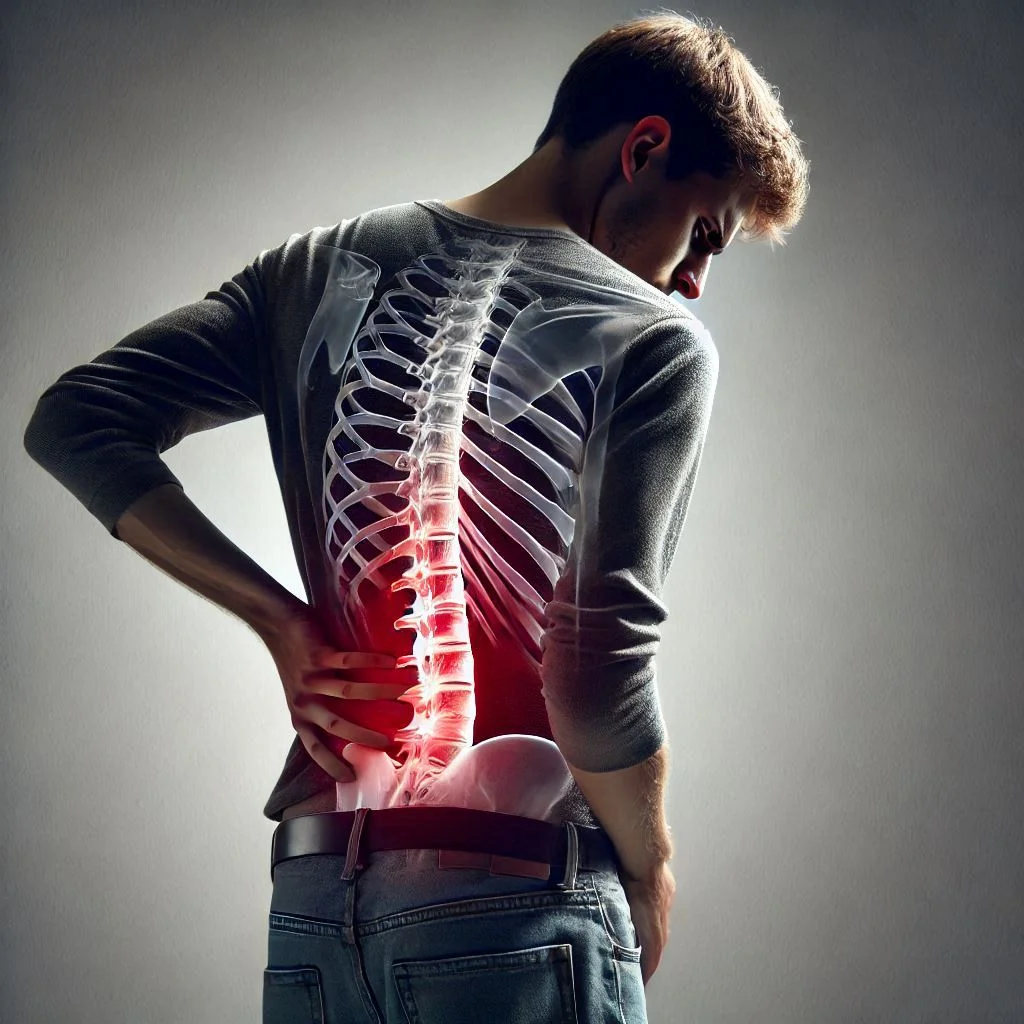
Lower Back Pain: Causes, Symptoms and Treatment
What is Lower back pain?
Lower back pain impacts the lumbar region of the spine and can stem from various injuries and conditions. In most cases, it results from strains or damage to the muscles and tendons in the back.
Lower back pain is a widespread issue affecting people of all ages. It can result from various factors, including poor posture, injuries, or underlying medical conditions. Understanding its causes, symptoms and treatment options can help alleviate discomfort and improve quality of life.
Causes of Lower Back Pain
Muscle Strain
Overuse, sudden movements, or improper lifting techniques can strain muscles and ligaments in the lower back.
Herniated Disc
A bulging or ruptured disc can press on spinal nerves, leading to pain, numbness, and tingling sensations.
Arthritis
Osteoarthritis and other degenerative conditions can cause stiffness and inflammation in the lower spine, resulting in chronic pain.
Sciatica
Compression of the sciatic nerve can cause sharp, radiating pain from the lower back down to the legs.
Poor Posture & Sedentary Lifestyle
Sitting for long periods, especially with poor posture, weakens back muscles and increases strain.
Symptoms of Lower Back Pain
Lower back pain can present in different ways, depending on the cause and severity. Common symptoms include:
- Dull, Aching Pain – A constant, deep discomfort in the lower back that may worsen with movement or prolonged sitting.
- Sharp or Stabbing Pain – Sudden, intense pain that may occur due to muscle strain or nerve compression.
- Radiating Pain – Pain that spreads to the hips, buttocks, or down the legs (often a sign of sciatica).
- Stiffness & Reduced Mobility – Difficulty bending, twisting, or standing up straight due to muscle tightness or inflammation.
- Numbness or Tingling – A "pins and needles" sensation, usually in the legs, if nerves are affected by a herniated disc or spinal issue.
- Muscle Spasms – Uncontrollable muscle contractions that cause sharp pain and difficulty moving.
- Pain That Worsens with Activity – Increased discomfort after prolonged sitting, standing, or physical exertion.
- Pain Relief with Movement or Rest – Some back pain improves with activity, while others worsen without rest.
If symptoms persist for more than a few weeks, worsen over time, or are accompanied by fever, weakness, or loss of bladder control, seek medical attention immediately.
Treatment Options
Exercise & Stretching
Regular movement strengthens core muscles, improves flexibility, and reduces the risk of pain.
Hot & Cold Therapy
Applying heat relaxes muscles, while ice packs help reduce inflammation and numb pain.
Pain Medication
Over-the-counter NSAIDs (like ibuprofen) help relieve pain and inflammation.
Physical Therapy
A trained therapist can recommend exercises and posture correction techniques to improve mobility and strength.
Medical Treatments
In severe cases, treatments such as corticosteroid injections or surgery may be necessary.
Additional Management & Treatment
- Medications – Prescription muscle relaxers or stronger pain relievers may be recommended for severe cases.
- Chiropractic Care & Massage Therapy – Hands-on techniques like spinal adjustments and massages can relieve tension and improve alignment.
- Injections – Epidural steroid injections can help manage chronic lower back pain.
- Surgery – For serious injuries or conditions, minimally invasive surgery may be required.
Prevention Tips
- Maintain Good Posture – Sit and stand with proper spinal alignment to reduce strain.
- Stay Active – Engage in regular physical activity to strengthen the back and core muscles.
- Lift Safely – Use your legs, not your back, when lifting heavy objects, and avoid twisting your torso.
- Use Ergonomic Support – Ensure your workspace and furniture provide proper lumbar support.
- Maintain a Healthy Weight – Excess weight puts additional pressure on the spine.
If lower back pain persists or worsens, consult a healthcare professional for a proper diagnosis and treatment plan. Early intervention can help prevent complications and improve overall quality of life.



Comments (0)
Leave a Reply
Log in to post a comment.