

 Jan 27, 2025
 4 min read
How to Manage Fatty Liver Naturally
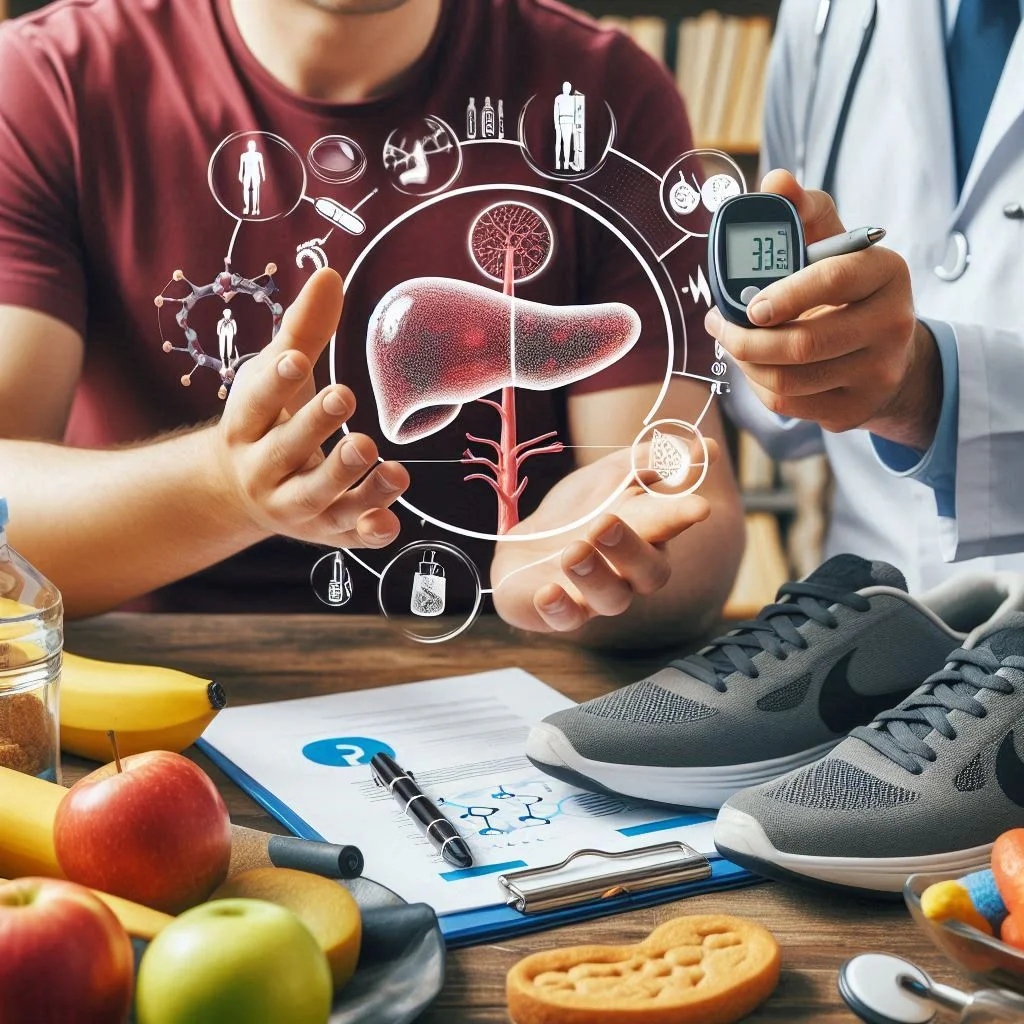
Non-alcoholic fatty liver disease — excess fat accumulating in liver cells — has become one of the most common liver conditions worldwide, closely tied to diet, weight, and metabolic health. The genuinely good news is that, unlike many liver conditions, it's often significantly improvable through consistent lifestyle changes rather than requiring medication.
Maintain a healthy weight — gradually
Excess weight, particularly around the abdomen, is one of the strongest drivers of fat accumulation in the liver. Gradual weight loss (around 1-2 pounds per week) is specifically recommended over rapid weight loss, because losing weight too quickly can actually worsen liver inflammation in the short term — a counterintuitive but well-documented effect. Tracking BMI over time gives a useful general benchmark, alongside how clothes fit and general energy levels.
Follow a liver-friendly diet
- Build meals around whole foods — fresh fruits, vegetables, whole grains, lean proteins, and healthy fats support liver function far better than a diet heavy in processed ingredients.
- Cut back on sugar and refined carbohydrates — sugary drinks, desserts, and white flour products are directly linked to fat accumulation in the liver, since excess sugar that isn't immediately used for energy gets converted to fat, with the liver a primary site for that conversion.
- Limit saturated and trans fats — fried foods, processed snacks, and fatty processed meats place additional metabolic burden on the liver.
- Favor healthy fats instead — olive oil, avocado, nuts, and seeds provide fat in forms that don't carry the same liver-burden as saturated and trans fats.
- Add anti-inflammatory foods — turmeric, green tea, fatty fish, and leafy greens all have some research support specifically for liver health, likely through their broader anti-inflammatory and antioxidant effects.
Stay physically active
At least 150 minutes of moderate exercise per week — brisk walking, cycling, swimming — helps the body use stored fat for energy, including fat stored in the liver. Combining aerobic exercise with strength training tends to produce the best results, since building muscle mass also improves overall insulin sensitivity, which is closely tied to how much fat the liver accumulates in the first place.
Avoid additional liver stress
Alcohol is metabolized primarily by the liver, and for someone who already has fatty liver disease, even moderate alcohol intake can accelerate liver damage — minimizing or eliminating alcohol entirely is one of the most direct things within someone's control. It's also worth being mindful of unnecessary medications and environmental toxin exposure where reasonably avoidable, since the liver is the body's primary detoxification organ and any additional burden compounds existing strain.
Stay hydrated
Adequate water intake supports the liver's detoxification processes and overall metabolic function — a simple, easy-to-overlook factor that supports everything else on this list rather than acting as a standalone fix.
Manage stress
Chronic stress is linked to poorer metabolic health broadly, including liver fat accumulation, likely through its effects on cortisol and blood sugar regulation. Yoga, meditation, deep breathing, and journaling are all reasonable, accessible tools for managing sustained stress.
Prioritize sleep
7-9 hours of quality sleep supports the body's overall metabolic and hormonal regulation, both of which play into how effectively the body manages fat storage, including in the liver.
When lifestyle changes aren't enough
These natural approaches can meaningfully improve liver health over time and are the recommended first-line approach for most cases of fatty liver disease. That said, more advanced cases — particularly if fibrosis (scarring) has developed — require medical evaluation and monitoring, and shouldn't be managed through lifestyle changes alone. Fatty liver disease is typically diagnosed and monitored through blood tests and imaging, so ongoing follow-up with a doctor matters alongside any lifestyle changes.
Frequently Asked Questions
Is fatty liver disease reversible? In earlier stages, yes — consistent weight management, dietary change, and exercise can measurably reduce liver fat and improve liver enzyme levels over months. More advanced stages with existing scarring are harder to fully reverse, which is why earlier intervention matters.
What are the warning signs I shouldn't ignore? Fatty liver disease often has no symptoms in early stages, which is part of why it's frequently caught through routine bloodwork rather than symptoms — fatigue and mild upper right abdominal discomfort can occur but are easy to miss or attribute to something else.
Do I need to give up alcohol completely? For anyone already diagnosed with fatty liver disease, minimizing or eliminating alcohol is generally recommended given the liver's already-elevated burden — a doctor can advise on what's appropriate for your specific situation.


Comments (0)
Leave a Reply
Log in to post a comment.