

 Jun 22, 2025
 5 min read
Eczema: Calming Flare-Ups, and Which Natural Remedies Help or Harm

Atopic eczema starts with a leaky skin barrier. In many people with eczema, the outer layer of skin holds water poorly and lets irritants and allergens in more easily. In some, this is partly because of inherited changes in a skin protein called filaggrin. Dry skin itches, scratching damages the barrier further, and the damaged skin becomes inflamed and itchier still. Most of what works, natural or not, either repairs the barrier or breaks that itch–scratch cycle.
Eczema affects about one in five children, and many adults. It often comes with asthma and hay fever, in the same person or the same family.
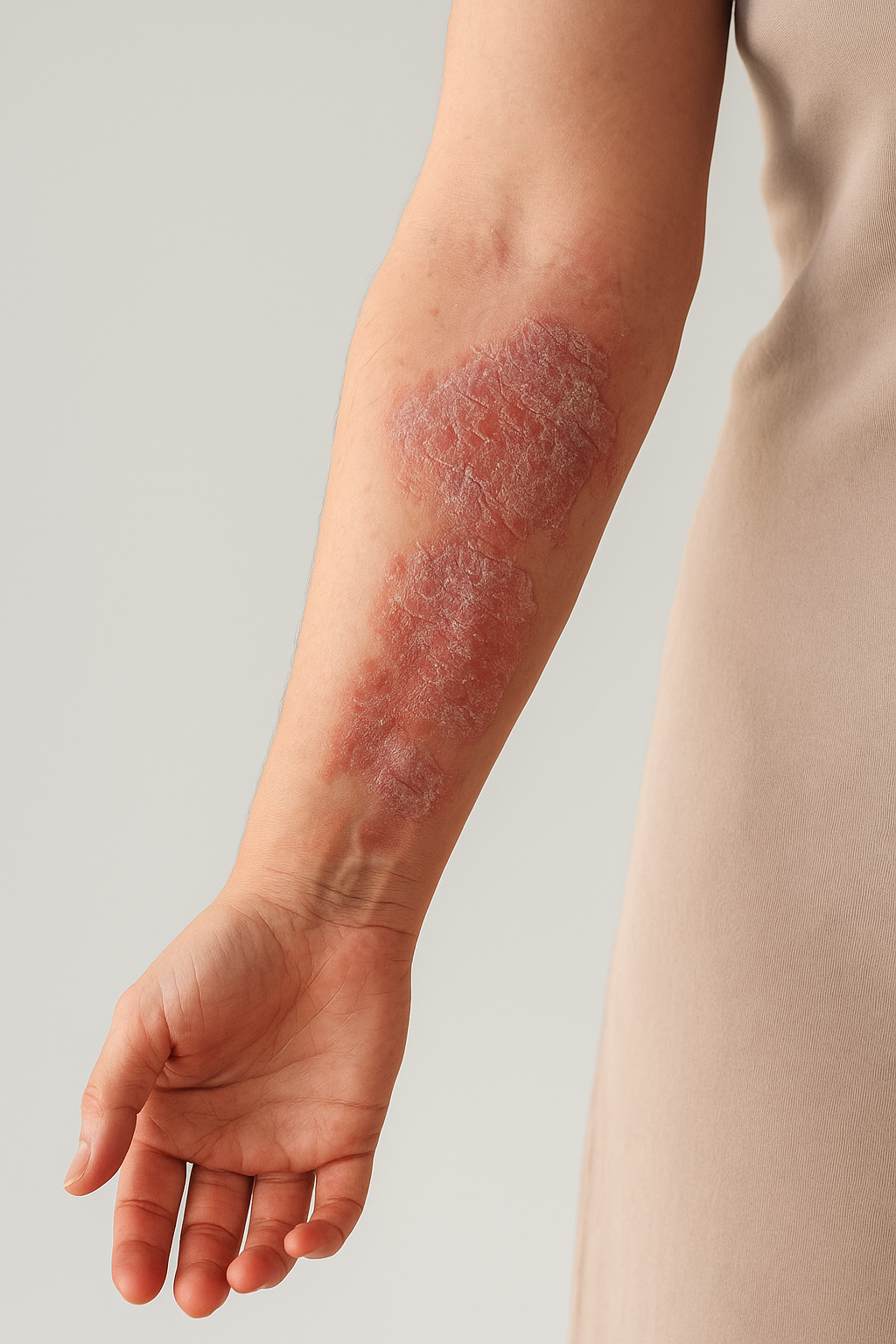
Illustration: eczema patches are typically dry, red and scaly. On darker skin they may look brown, purple or grey.
Moisturisers are the treatment, not an extra
Emollients (moisturisers) are the foundation of eczema care, even when the skin looks clear. The two most common mistakes are using too little and stopping too soon.
- Use a lot. For widespread eczema, the UK guideline for children (NICE CG57) suggests 250 to 500 g a week. Adults need more. A small tub lasting a month is nowhere near enough.
- Apply often: at least twice a day, and whenever the skin feels dry.
- Soak and seal: after a lukewarm bath or shower, pat the skin dry and apply moisturiser within a few minutes.
- Smooth it on in the direction the hair grows. Rubbing hard can block hair follicles.
- Thicker usually works better. Ointments hold in more water than creams, and creams more than lotions. Many people use an ointment at night and a lighter cream in the day.
One safety warning: moisturisers soak into clothing, bedding and bandages, and make them burn much more easily. That applies to both paraffin-based and paraffin-free products. Keep away from open flames, and don't smoke while wearing clothes that have absorbed them.
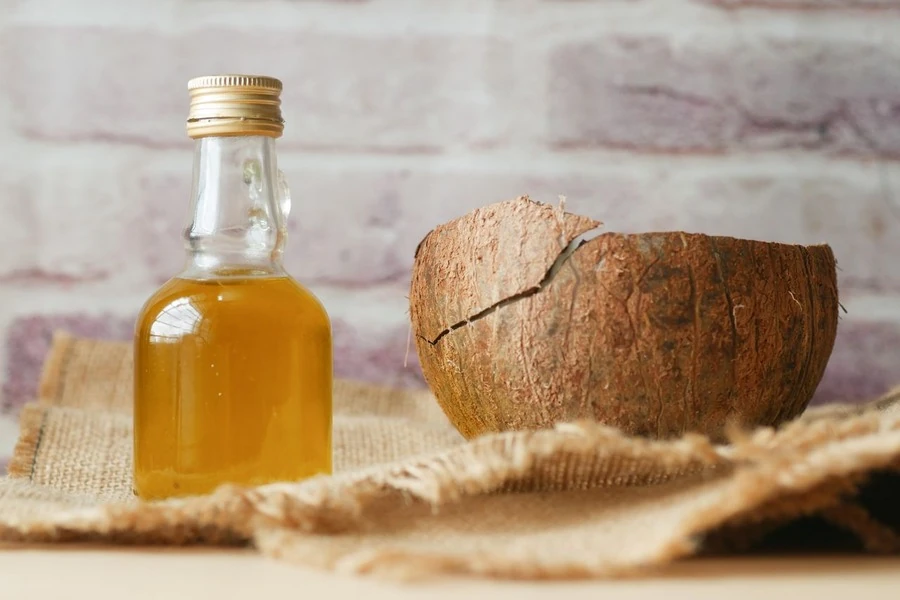
Sunflower and coconut oil have small studies behind them; olive oil is the surprise. Photo: Towfiqu barbhuiya / Pexels
Natural oils: some help, one can harm
Plant oils are not all alike. Sunflower seed oil and virgin coconut oil have small studies supporting them as moisturisers. Coconut oil also reduces the bacterium Staphylococcus aureus, which often colonises eczema skin. Shea butter is a reasonable base. Olive oil is the surprise: in a controlled study, four weeks of olive oil damaged the skin barrier, while sunflower oil kept it intact. It is best avoided on eczema.
Animal-fat balms such as tallow are sold as traditional skincare. They can work as a thick moisturiser, but they have not been tested in trials for eczema, and many are scented with essential oils. Fragrance is one of the most common causes of allergic skin reactions, so choose fragrance-free products whatever their origin.
Colloidal oatmeal, finely ground oats added to baths or creams, has decent evidence for calming itch. Tea tree oil is often recommended but is a common contact allergen, and can make inflamed skin worse.
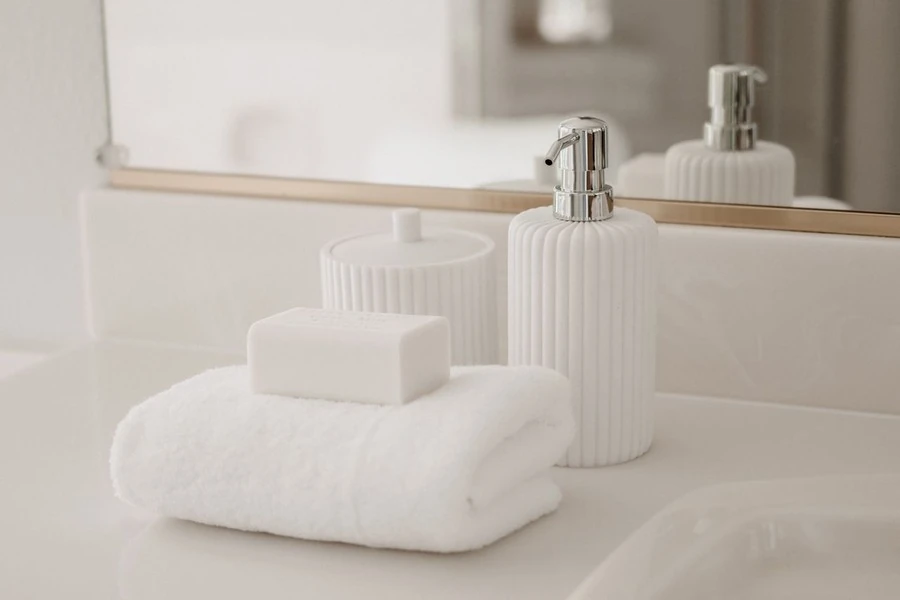
Keep baths and showers short and lukewarm, and use a soap substitute. Photo: Anna Vlasova / Pexels
Bathing and daily triggers
Keep baths and showers short (5 to 10 minutes) and lukewarm. Use a soap substitute or a gentle, fragrance-free wash, never ordinary soap or bubble bath. Common triggers include wool and rough fabrics, overheating and sweat, house dust mites, pet dander, and for some people stress or hormonal changes. Cotton clothing and short, filed nails help limit damage from scratching, especially at night.
Diet and probiotics
In some babies and young children with severe eczema, a food allergy (often to milk, egg or peanut) makes it worse. That should be confirmed with a doctor before foods are cut out. Restrictive diets without a diagnosis seldom help and can leave children short of nutrients. For most adults, diet plays little part.
Probiotics have been widely tested. A Cochrane review concluded that they probably make little or no difference to eczema symptoms.
Steroid creams: safe when used properly
Fear of steroid creams is one of the main reasons eczema stays uncontrolled. Used correctly, they are safe and effective. Mild ones such as hydrocortisone 1% suit the face and young children. Stronger ones are used briefly for thicker patches on the body.
The measure to use is the fingertip unit: a line of cream squeezed from the tip of an adult's index finger to the first crease. That covers an area about the size of two adult hands. Apply once or twice a day to inflamed skin until the flare settles, then stop or step down. Some people with frequent flares use it twice a week on their usual problem areas to prevent them. Put the steroid on and the moisturiser at a different time, about 20 to 30 minutes apart, so one doesn't dilute the other.
For the eyelids and face, doctors may prescribe non-steroid creams (tacrolimus or pimecrolimus). Severe eczema that doesn't respond can now be treated with injections such as dupilumab, or with JAK-inhibitor tablets, from a specialist.
When to see a doctor urgently
Get medical help the same day if eczema suddenly becomes painful and develops clusters of small blisters or punched-out sores, especially with a fever. This can be eczema herpeticum, a herpes infection that spreads quickly through eczema skin. Also seek advice for weeping, crusted yellow patches, which suggest a bacterial infection, or if the eczema keeps you or your child awake despite treatment. The NHS atopic eczema guide has more on treatment options.
Sources
- NICE, "Overview - Atopic eczema in under 12s: diagnosis and management - Guidance". https://www.nice.org.uk/guidance/cg57
- Danby S, AlEnezi T, Sultan A, Lavender T et al., "Effect of Olive and Sunflower Seed Oil on the Adult Skin Barrier: Implications for Neonatal Skin Care", Pediatric Dermatology 30 (2012): 42-50. https://doi.org/10.1111/j.1525-1470.2012.01865.x
- Makrgeorgou A, Leonardi-Bee J, Bath-Hextall F, Murrell D et al., "Probiotics for treating eczema", Cochrane Database of Systematic Reviews 2018 (2018). https://doi.org/10.1002/14651858.CD006135.pub3
- NHS, "Atopic eczema". https://www.nhs.uk/conditions/atopic-eczema/




Comments (0)
Leave a Reply
Comments are moderated. Please read our Comment Policy before posting.
Log in to post a comment.