

 Jan 25, 2025
 4 min read
Food, Drink and Headaches: Triggers and What May Help

Diet is one of the more manageable parts of headache prevention, but it works through a few specific routes. These are skipped meals, too little fluid, caffeine taken irregularly, alcohol, and for some people with migraine, a low magnesium intake. Knowing which one applies to you is more useful than a long list of "superfoods".
Headache disorders are among the most common conditions in the world. The World Health Organization estimates that about half of adults have at least one headache a year. Migraine affects about one in seven people, and women two to three times as often as men.
Regular meals and enough fluid
Missing a meal is one of the most reliable headache triggers, especially for people with migraine. A drop in blood sugar and the body's stress response both play a part. Breakfast matters most because of the long overnight gap. Meals with protein and fibre, such as eggs, yoghurt with oats, or lentils with rice, keep blood sugar steadier than a sweet snack does.
Even mild dehydration can bring on a headache or make one worse. Plain water is the simplest fix. Watery foods such as watermelon, cucumber, oranges and soups add to fluid intake on hot days. Coconut water contains potassium but no more useful sodium than a normal meal provides; it is pleasant, not special.
Caffeine: helpful, then not
A small dose of caffeine makes painkillers work better, which is why some headache tablets combine it with paracetamol. Regular heavy use has the opposite effect. Missing your usual coffee causes a withdrawal headache within 12 to 24 hours, which is why some people get headaches on weekends when they sleep late. Keeping intake steady and moderate helps: under about 400 mg a day for most adults, roughly four mugs of brewed coffee, and less in pregnancy.
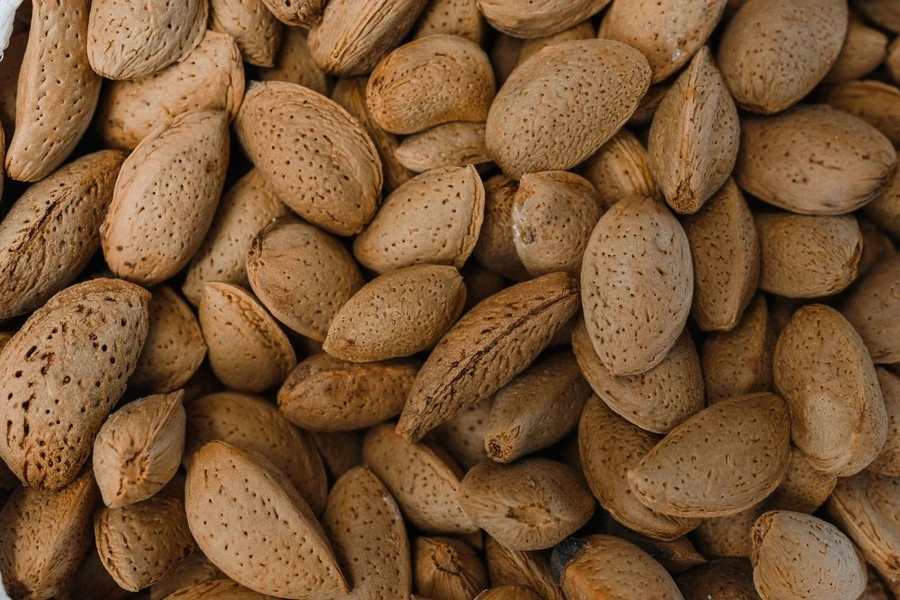
Magnesium and riboflavin have the best evidence for preventing migraine, at doses food can't provide. Photo: Arina Krasnikova / Pexels
Magnesium and riboflavin for migraine
These two nutrients have the best evidence for preventing migraine. Daily magnesium (about 400 to 600 mg in trials) and riboflavin, or vitamin B2 (400 mg a day), both reduced how often attacks came, though they take two to three months to show an effect. These doses are much higher than food provides. Supplements of this size are generally safe, but magnesium can cause diarrhoea and is not suitable for people with kidney disease. Check with a pharmacist or doctor first.
Foods rich in magnesium are still worth eating. Good sources are pumpkin seeds (about 150 mg in 30 g), almonds (around 80 mg in a small handful), spinach, black beans and wholegrain bread. Bananas give a little magnesium and are an easy snack when a meal is late.
Ginger has one small trial in which ginger powder eased migraine pain about as well as a standard migraine drug. That is interesting, but not enough to replace treatment.
Common food triggers
Alcohol is the best-established food trigger, especially red wine and drinks taken on an empty stomach. Others reported by some people include aged cheese, processed meats containing nitrates, the sweetener aspartame and MSG, though the evidence for most of these is weak and varies from person to person.
There is also a trap. In the hours before a migraine, many people crave sweet foods such as chocolate as an early symptom of the attack. The chocolate then gets blamed for a headache that was already on its way. A headache diary kept for six to eight weeks, noting food, sleep, stress and periods, is more reliable than guessing. Cutting out foods without evidence can leave you with a restricted diet and no fewer headaches.
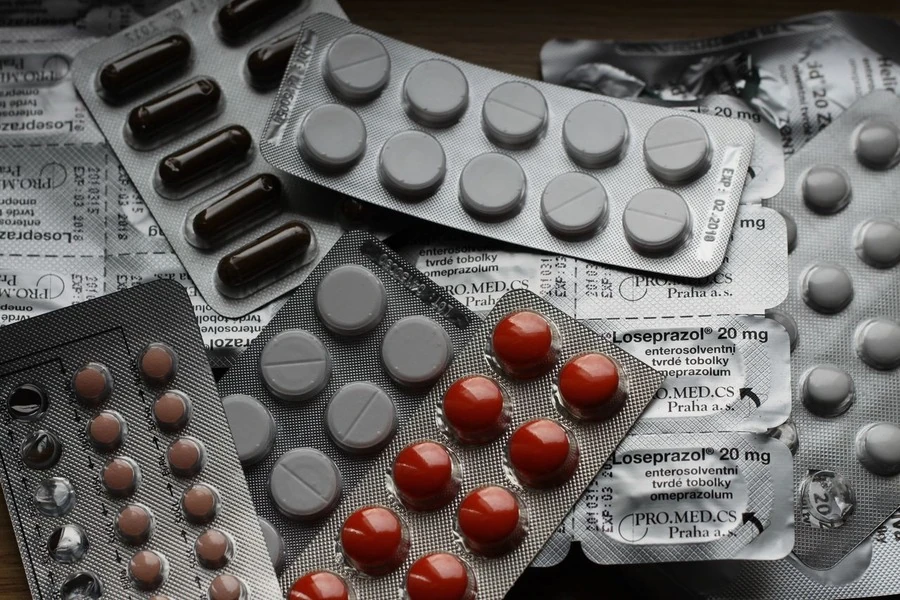
Simple painkillers on 15 or more days a month can lead to a near-daily headache. Photo: Pixabay / Pexels
When painkillers cause the headache
This catches many people out. Taking simple painkillers (paracetamol, ibuprofen, aspirin) on 15 or more days a month, or triptans or codeine-containing tablets on 10 or more days, can lead to medication-overuse headache. That is a near-daily headache that improves only when the tablets are reduced. If you're reaching for painkillers most days, talk to a doctor or pharmacist about preventive treatment instead.
Get urgent help if
- a headache comes on suddenly and is the worst you've ever had, peaking within a minute
- it comes with fever, a stiff neck or a rash
- it follows a head injury
- it comes with weakness, numbness, slurred speech, confusion or loss of vision
- it is a new type of headache after the age of 50, or one that steadily gets worse over days or weeks
The NHS headache page has more on which headaches need checking. There is also a one-minute video version of the food tips: Top 4 foods to stop headache.
Sources
- World Health Organization, "Migraine and other headache disorders". https://www.who.int/news-room/fact-sheets/detail/headache-disorders
- NHS, "Headaches". https://www.nhs.uk/symptoms/headaches/


Comments (0)
Leave a Reply
Comments are moderated. Please read our Comment Policy before posting.
Log in to post a comment.