

 May 24, 2025
 4 min read
Pancreatitis: What You Can Do Yourself, and Getting Enzyme Capsules Right

The pancreas does two jobs. It releases insulin into the blood, and it sends powerful digestive enzymes into the gut to break down fat, protein and starch. Pancreatitis happens when those enzymes become active too early, inside the pancreas itself, and begin to damage it. It comes in two forms that behave very differently. One is a sudden attack that usually heals completely. The other is a slow, permanent scarring. "Natural" management means something different for each.
Acute pancreatitis
An acute attack causes severe, steady pain in the upper abdomen, often boring through to the back, usually with vomiting. It is diagnosed with a blood test for the enzyme lipase or amylase, and a scan. Most attacks are mild and settle within a week in hospital with fluids, pain relief and early return to eating. About one in five becomes severe, with complications that can be life-threatening.
Two causes account for most attacks:
- Gallstones, which block the duct shared by the pancreas and gallbladder. After gallstone pancreatitis, guidelines recommend removing the gallbladder, ideally during the same hospital stay or soon after. Waiting risks another, possibly worse, attack.
- Alcohol, usually after years of heavy drinking. Stopping completely is the only reliable way to prevent further attacks.
Other causes include very high triglycerides (blood fats), a procedure called ERCP, injury, and certain medicines. Those medicines include azathioprine, valproate, some diuretics and a few HIV drugs. If an attack has no obvious cause, the medicine list is worth reviewing with a doctor or pharmacist.
Chronic pancreatitis
Long-term inflammation scars the pancreas permanently. The most common causes are heavy drinking over many years, often combined with smoking, along with genetic factors. In parts of South Asia, a form that begins in childhood or early adulthood, unrelated to alcohol, is also seen.
The damage shows up in three ways:
- Pain, often after meals, which may become constant.
- Poor digestion of fat once too few enzymes are made. Stools become pale, greasy, foul-smelling and hard to flush, and weight falls.
- Diabetes, when the insulin-producing cells are lost too.
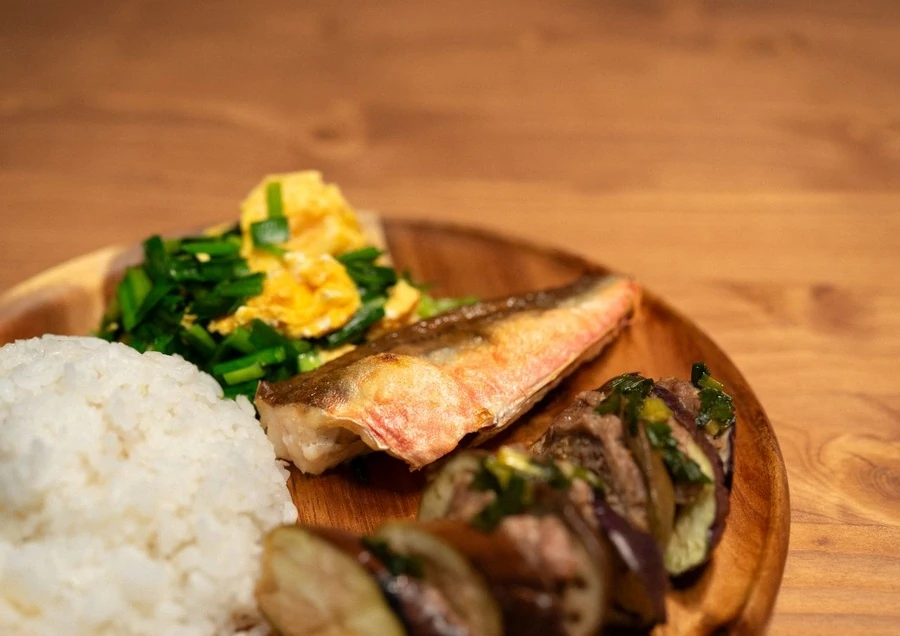
Stopping alcohol completely and stopping smoking matter most in chronic pancreatitis. Photo: Gu Ko / Pexels
What you can do yourself
Stop drinking alcohol completely. In chronic pancreatitis, continued drinking speeds up damage and pain, and raises the risk of death. Support services and medicines can help with stopping.
Stop smoking. Smoking independently speeds the progress of chronic pancreatitis and raises the risk of pancreatic cancer. This is often overlooked when attention goes to alcohol.
Eat enough. Malnutrition is common. Small, frequent meals are often easier to manage than three large ones. A very low-fat diet used to be standard. Now the usual advice is a normal, balanced intake of fat, with properly dosed enzyme capsules, because cutting fat too far makes weight loss and vitamin deficiencies worse. A dietitian's help is worth asking for.
For high triglycerides, cut alcohol and sugar, lose weight if needed, control diabetes, and take prescribed medicines. Triglyceride-driven pancreatitis tends to come back if levels stay very high.
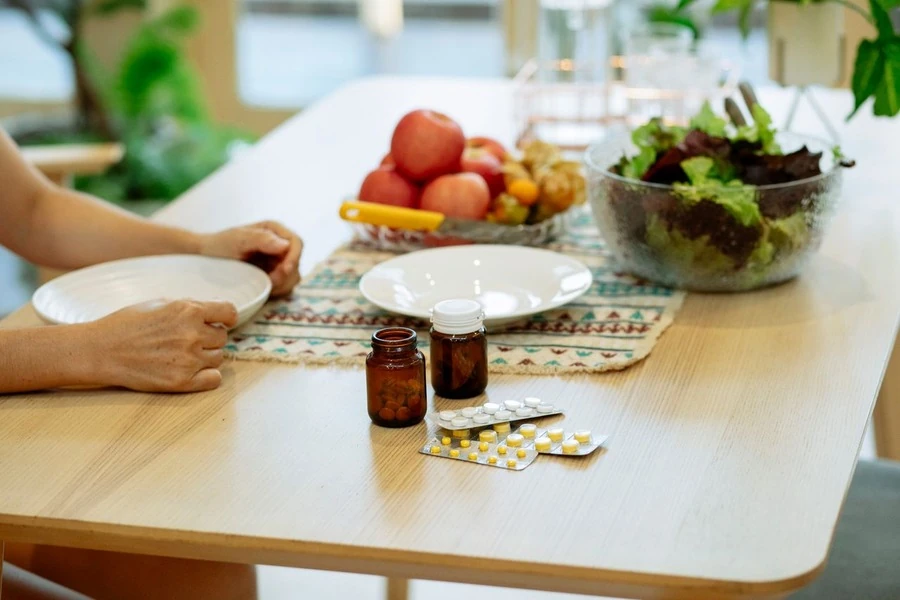
Take enzyme capsules with the first mouthful of every meal and snack that contains fat. Photo: Michelle Leman / Pexels
Enzyme capsules: getting them right
For people whose pancreas no longer makes enough enzymes, capsules of pancreatic enzymes (pancrelipase, such as Creon) are the most important treatment. They are often under-dosed or taken at the wrong time.
- Take them with the first mouthful of every meal and snack that contains fat. Split the dose through a longer meal. Taking them after eating, or at bedtime, does little.
- Doses are measured in lipase units. A typical starting dose is 40,000 to 50,000 units with meals and about half that with snacks, adjusted until stools are normal.
- Swallow capsules whole. If they must be opened, mix the beads with a little acidic food such as apple sauce, and don't chew them.
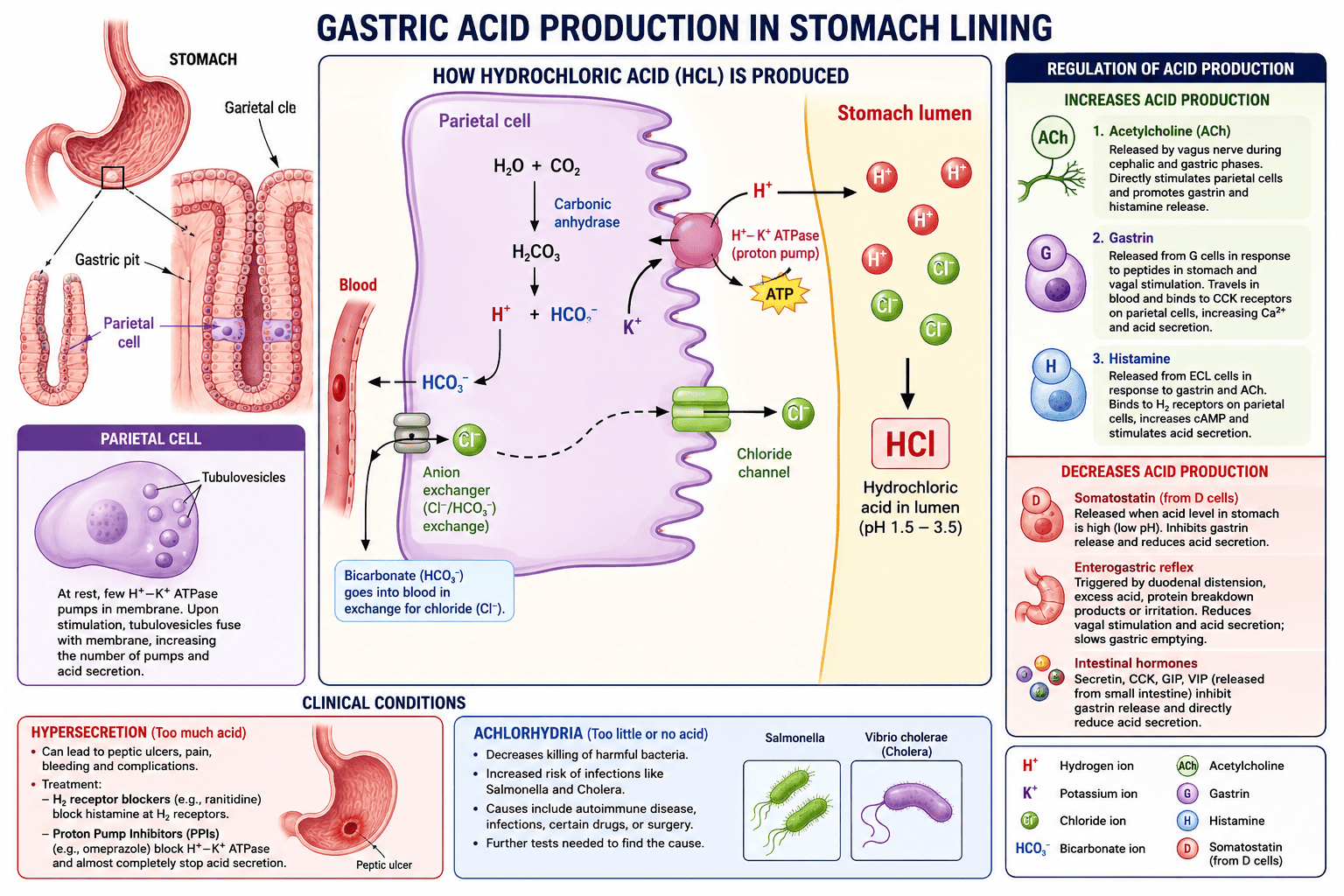
- If symptoms persist despite good doses, an acid-reducing medicine taken alongside can help the enzymes work.
Chronic pancreatitis also leads to poor absorption of vitamins A, D, E and K and to bone thinning. Regular blood tests and a bone density scan are usually advised.
Pain
Pain is often the hardest part. Treatment builds up step by step: regular paracetamol, then other painkillers. Some medicines used for nerve pain help. Procedures to relieve blocked ducts help some people, and so does treating anxiety, depression and sleep problems, which make pain worse. Long-term opioids carry a real risk of dependence and are used cautiously.
Warning signs
Seek urgent care for severe abdominal pain with vomiting, fever, yellowing of the skin or eyes, or feeling faint. People with chronic pancreatitis should also report unexplained weight loss or new diabetes later in life, because the risk of pancreatic cancer is higher. The NHS guides to acute and chronic pancreatitis cover treatment in more detail.
Sources
- NHS, "Acute pancreatitis". https://www.nhs.uk/conditions/acute-pancreatitis/
- NHS, "Chronic pancreatitis". https://www.nhs.uk/conditions/chronic-pancreatitis/
- NICE, "Overview - Pancreatitis - Guidance". https://www.nice.org.uk/guidance/ng104

Comments (0)
Leave a Reply
Comments are moderated. Please read our Comment Policy before posting.
Log in to post a comment.